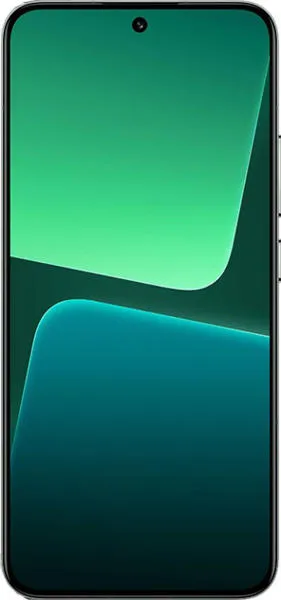
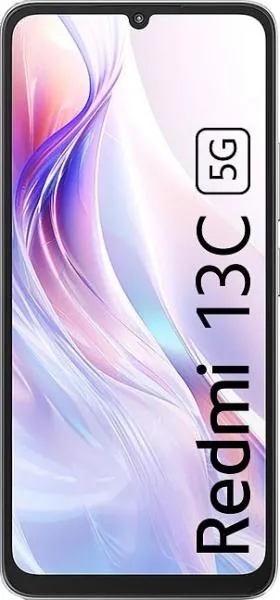
Xiaomi 13 vs. Xiaomi Redmi 13C 5G: A Deep Dive
Let's dissect the Xiaomi 13 and Redmi 13C 5G, cutting through the spec sheet to see what these phones really offer in your hand.
1. Specifications Breakdown
| Feature | Xiaomi 13 | Xiaomi Redmi 13C 5G | Real-World Implications |
|---|---|---|---|
| Design | |||
| Dimensions (mm) | 152.8 x 71.5 x 8 | 168 x 78 x 8.1 | 13C larger, heavier; 13 more pocketable |
| Weight (g) | 185 | 192 | Noticeable difference in hand; 13 feels more premium |
| Build Material | Glass, Aluminum | Plastic | 13 feels more robust, premium; 13C more prone to scratches |
| Display | |||
| Display Type | AMOLED, 120Hz | IPS LCD, 90Hz | 13: Vibrant colors, deeper blacks, smoother scrolling |
| Resolution | 1080 x 2400 | 720 x 1600 | 13: Sharper text and images |
| Brightness (nits) | 1900 (peak) | 600 (HBM) | 13: Significantly brighter outdoors |
| Performance | |||
| Chipset | Snapdragon 8 Gen 2 | Dimensity 6100+ | 13: Dramatically faster performance, smoother gaming |
| CPU | Octa-core (3.2 GHz) | Octa-core (2.2 GHz) | 13: Handles demanding tasks with ease |
| RAM | 8GB/12GB | 4GB/6GB/8GB | 13: Better multitasking, less app reloading |
| Camera | |||
| Main Camera | 50MP, Sony IMX800 | 50MP, Samsung JN1 | 13: Potentially better low-light performance, faster focus |
| Ultrawide | 13MP | None | 13: Wider field of view for landscapes, group photos |
| Telephoto | 10MP, 3.2x zoom | None | 13: Optical zoom for closer shots |
| Video Recording | Up to 8K@24fps | 1080p@30fps | 13: Higher resolution video capture |
| Battery Life | |||
| Capacity | 4500 mAh | 5000 mAh | 13C: Potentially longer battery life due to lower power consumption |
| Charging | 67W Wired | 10W Wired | 13: Much Faster Charging |
| Other | |||
| NFC | Yes | No | 13: Enables contactless payments |
| Price | High | Medium | Significant price difference |
2. Key Insights
The Xiaomi 13 is a flagship device, boasting a powerful processor, stunning AMOLED display, and a versatile camera system. It offers a premium user experience with blazing-fast performance, vibrant visuals, and top-notch features like NFC. The Redmi 13C 5G, on the other hand, is a budget-friendly option prioritizing battery life and basic functionality. Its strengths lie in affordability and potentially longer battery life due to its less demanding hardware.
The biggest differentiators are performance and display quality. The Snapdragon 8 Gen 2 in the Xiaomi 13 obliterates the Dimensity 6100+ in the Redmi 13C, ensuring smooth gaming, quick app loading, and seamless multitasking. The AMOLED display on the 13 offers richer colors, deeper blacks, and a smoother 120Hz refresh rate compared to the 13C's 90Hz IPS LCD. While the 13C has a larger battery, the significantly faster charging on the 13 is a major advantage.
3. User Profiles and Recommendations
Xiaomi 13: For users who demand top-tier performance, a premium display, and a versatile camera, and are willing to pay a premium. Ideal for gamers, power users, content creators, and anyone who values a flagship experience.
Xiaomi Redmi 13C 5G: For budget-conscious users who prioritize battery life and basic functionality. Suitable for casual users, students, and those primarily using their phones for communication, social media, and light browsing.
4. Buying Decision Framework
- What is your budget? If price is a major constraint, the Redmi 13C 5G is the more affordable option.
- What is your primary phone usage? For demanding tasks and entertainment, the Xiaomi 13 excels. For basic communication and light usage, the Redmi 13C suffices.
- Which features are most important to you? Prioritize performance, display, and camera? Choose the Xiaomi 13. Prioritize battery life and affordability? Opt for the Redmi 13C 5G.
My Choice: The Xiaomi 13
While the Redmi 13C 5G offers excellent value for its price, I would choose the Xiaomi 13. As a tech enthusiast and heavy user, I prioritize performance, a fluid user experience, and a high-quality display. The Snapdragon 8 Gen 2, coupled with the 120Hz AMOLED screen, promises a buttery smooth and visually engaging experience that the Redmi 13C simply can't match. The superior camera system and the inclusion of NFC further solidify my choice. While the price difference is significant, the enhanced user experience offered by the Xiaomi 13 justifies the premium for my needs. The faster charging also greatly outweighs the slight battery capacity advantage on the 13C. I'd rather have a phone that charges quickly throughout the day than a slightly larger battery that takes hours to refill.
