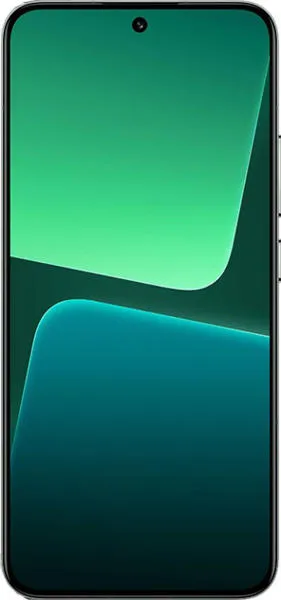
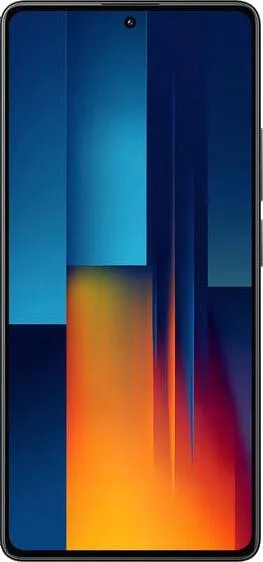
Xiaomi 13 vs. Xiaomi Poco M6 Pro: A Deep Dive
Let's dissect the Xiaomi 13 and Poco M6 Pro, two phones occupying distinct tiers in the Xiaomi ecosystem. This analysis goes beyond the spec sheet, translating technical jargon into real-world experiences.
1. Specifications Breakdown
| Feature | Xiaomi 13 | Xiaomi Poco M6 Pro | Real-World Implications |
|---|---|---|---|
| Design | |||
| Dimensions (mm) | 152.8 x 71.5 x 8 | 161.1 x 75 x 8 | Xiaomi 13 is noticeably more compact, offering better one-handed usability. |
| Weight (g) | 185 | 179 | While the difference is minor, the Poco M6 Pro is slightly lighter. |
| Display | |||
| Size (inches) | 6.36 | 6.67 | Poco M6 Pro offers a larger screen for more immersive media consumption. |
| Resolution | 1080 x 2400 | 1080 x 2400 | Both have sharp Full HD+ displays. |
| Panel Type | AMOLED, 120Hz | AMOLED, 120Hz | Both offer vibrant colors, deep blacks, and smooth scrolling thanks to AMOLED technology and a 120Hz refresh rate. |
| Peak Brightness (nits) | 1900 | 1300 | Xiaomi 13 gets significantly brighter, ensuring better visibility in direct sunlight. |
| HDR | Dolby Vision, HDR10+ | None | Xiaomi 13 supports a wider range of HDR content, resulting in a superior viewing experience for compatible videos. |
| Performance | |||
| Chipset | Snapdragon 8 Gen 2 | Helio G99 Ultra | Xiaomi 13 boasts a flagship-level processor, promising significantly faster performance, smoother multitasking, and superior gaming capabilities. |
| CPU | Octa-core (3.2GHz) | Octa-core (2.2GHz) | Xiaomi 13's higher clock speeds and more powerful core architecture deliver a substantial performance advantage. |
| GPU | Adreno 740 | Mali-G57 MC2 | Xiaomi 13's GPU offers a major leap in graphics performance, crucial for demanding games and applications. |
| RAM | 8/12GB | 6/8/12GB | Both offer ample RAM, but the Xiaomi 13's faster RAM standard likely contributes to smoother overall performance. |
| Camera | |||
| Main Camera | 50MP, Sony IMX800 | 64MP, Omnivision OV64B | Xiaomi 13, despite lower megapixels, likely produces better image quality due to a larger sensor and superior processing. |
| Video | 8K@24fps | 1080p@60fps | Xiaomi 13 offers significantly higher video resolution and advanced features like HDR and EIS for more professional-looking videos. |
| Battery Life | |||
| Capacity (mAh) | 4500 | 5000 | Poco M6 Pro has a larger battery, potentially translating to longer usage time. However, the Xiaomi 13's more efficient chip could offset this. |
2. Key Insights
The Xiaomi 13 is a flagship device prioritizing performance, display quality, and a premium compact design. Its Snapdragon 8 Gen 2 chip delivers blazing-fast speeds, making it ideal for power users and gamers. The brilliant display with Dolby Vision elevates media consumption.
The Poco M6 Pro, on the other hand, focuses on affordability and long battery life. While not a performance powerhouse, it handles everyday tasks competently. The large AMOLED display is a significant plus for media lovers on a budget.
3. User Profiles and Recommendations
Xiaomi 13: Ideal for users who demand top-tier performance, a premium experience, and don't mind paying a premium. This includes gamers, content creators, and those who value a compact form factor.
Poco M6 Pro: Suitable for budget-conscious users who prioritize battery life and a large display for media consumption. It's a good fit for casual users, students, and those seeking an all-around decent phone without breaking the bank.
4. Buying Decision Framework
- What's your budget? The Xiaomi 13 sits in the high-price range, while the Poco M6 Pro offers much better value.
- Is performance a priority? If you need a phone that can handle demanding tasks and gaming, the Xiaomi 13 is the clear winner.
- How important is battery life? While the Poco M6 Pro has a larger battery, real-world usage will determine which phone lasts longer.
My Choice: The Xiaomi 13
While the Poco M6 Pro offers excellent value, I would choose the Xiaomi 13. As a tech enthusiast who values a smooth and powerful experience, the Snapdragon 8 Gen 2 is a major draw. The compact form factor, brighter display with Dolby Vision, and superior camera system further solidify my choice. I'm willing to pay the premium for the significant upgrade in performance and overall user experience. The responsiveness and future-proofing offered by the flagship chip are invaluable to me. The Poco M6 Pro is a solid budget option, but the Xiaomi 13 caters to my specific needs and priorities.
