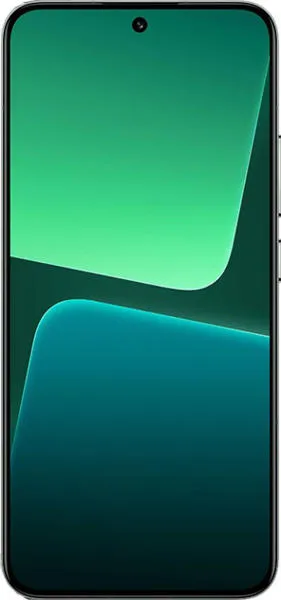
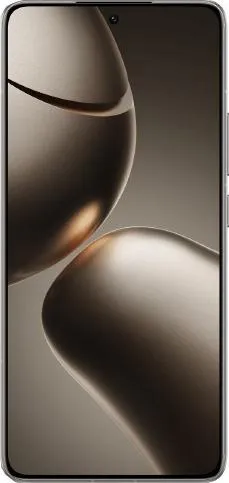
Xiaomi 13 vs. Xiaomi 14T Pro: A Deep Dive for the Discerning User
The smartphone landscape is constantly evolving, and Xiaomi continues to be a major player with its diverse offerings. Today, we'll dissect the Xiaomi 13 and the newer Xiaomi 14T Pro, two compelling devices with distinct strengths. By blending technical expertise with real-world insights, we'll empower you to choose the perfect fit.
1. Specifications Breakdown
| Feature | Xiaomi 13 | Xiaomi 14T Pro | Real-World Implications |
|---|---|---|---|
| Design | |||
| Dimensions (mm) | 152.8 x 71.5 x 8 | 160.4 x 75.1 x 8.4 | 13 is more compact and pocketable; 14T Pro is larger, potentially less comfortable for one-handed use. |
| Weight (g) | 185 | 209 | 13 is noticeably lighter, reducing hand fatigue during extended use. |
| Display | |||
| Size (inches) | 6.36 | 6.67 | 14T Pro offers a larger screen for more immersive media consumption and multitasking. |
| Resolution | 1080 x 2400 | 1220 x 2712 | 14T Pro boasts sharper visuals due to higher resolution and pixel density. |
| Refresh Rate (Hz) | 120 | 144 | 14T Pro's higher refresh rate delivers smoother animations and scrolling, especially noticeable in gaming and fast-paced content. |
| Peak Brightness | 1900 nits | 4000 nits | 14T Pro's significantly higher peak brightness ensures exceptional outdoor visibility. |
| Performance | |||
| Chipset | Snapdragon 8 Gen 2 | Dimensity 9300+ | Both are high-performance chips, but benchmarks will determine real-world differences in speed and efficiency. |
| RAM (GB) | 8/12 | 12 | 14T Pro's larger RAM capacity allows for smoother multitasking and handling demanding applications. |
| Camera | |||
| Main Sensor (MP) | 50 (IMX800) | 50 (OVX9000) | Both feature high-resolution sensors; image quality will depend on processing and lens quality. DxOMark scores favor the 14T Pro. |
| Telephoto (MP) | 10 | 50 | 14T Pro has a significantly more capable telephoto lens for superior zoomed shots. |
| Battery Life | |||
| Capacity (mAh) | 4500 | 5000 | 14T Pro's larger battery likely translates to longer usage time. |
2. Key Insights
The Xiaomi 13 prioritizes compactness and elegance. Its lighter weight and smaller form factor make it ideal for one-handed use. While powerful, its display and battery are slightly less impressive than the 14T Pro.
The Xiaomi 14T Pro is a multimedia powerhouse. Its larger, sharper display with a higher refresh rate, combined with a larger battery and enhanced telephoto lens, caters to users who prioritize content consumption, gaming, and photography.
3. User Profiles and Recommendations
Xiaomi 13: Suits users who value a compact, premium phone with excellent performance. Ideal for those who prioritize portability and one-handed usability.
Xiaomi 14T Pro: Best for users who demand top-tier multimedia experiences, extended battery life, and advanced camera capabilities. Gamers, content creators, and heavy smartphone users will appreciate its features.
4. Buying Decision Framework
- What is your budget? The 14T Pro is positioned in the "medium price" range while the 13 is "high price". Consider if the extra features justify the price difference for your needs.
- How important is portability? If one-handed use and pocket-friendliness are paramount, the Xiaomi 13 is the clear winner.
- What are your primary smartphone activities? For gaming, streaming, and photography, the 14T Pro's superior display, battery, and camera make it a stronger choice.
My Choice: The Xiaomi 14T Pro
While I appreciate the Xiaomi 13's compact design, I'd choose the Xiaomi 14T Pro. The combination of a stunning 144Hz display, a significantly improved telephoto lens, a larger battery, and the powerful Dimensity 9300+ processor at a more affordable price point is compelling. The advancements in display technology and camera capabilities alone make it a worthwhile upgrade for my usage, which heavily involves photography, content creation, and staying connected on the go. The slight increase in size and weight is a trade-off I'm willing to make for the substantial gains in functionality and user experience.
