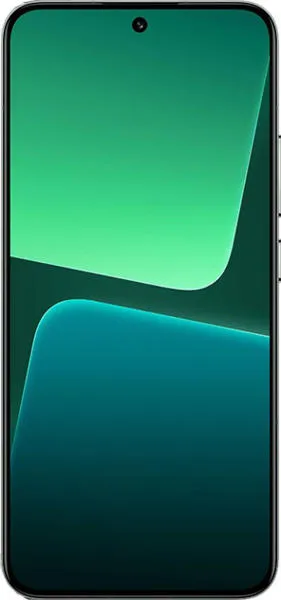
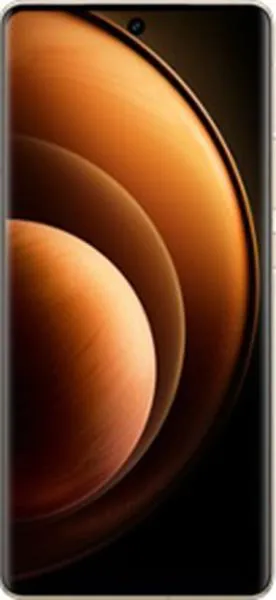
Xiaomi 13 vs. vivo X100: A Deep Dive for the Discerning Smartphone User
Hello fellow tech enthusiasts! Alex Griffin here, ready to dissect the Xiaomi 13 and the vivo X100. These two phones pack some serious heat, but which one comes out on top? Let's dive into the specs and uncover the real-world implications for you, the user.
1. Specifications Breakdown
| Feature | Xiaomi 13 | vivo X100 | Real-World Implications |
|---|---|---|---|
| Design | |||
| Dimensions (mm) | 152.8 x 71.5 x 8 | 164.1 x 75.2 x 8.5 | X100 is taller and wider, potentially less pocketable. Xiaomi 13 is noticeably thinner and lighter. |
| Weight (g) | 185 | 202 | Xiaomi 13 offers a more comfortable one-handed experience. |
| Display | |||
| Size (inches) | 6.36 | 6.78 | X100 provides a larger viewing area for media consumption; Xiaomi 13 offers greater portability. |
| Resolution (px) | 1080 x 2400 | 1260 x 2800 | X100 boasts sharper visuals due to higher resolution and pixel density. |
| Refresh Rate (Hz) | 120 | 120 | Both offer smooth scrolling and animations. X100's LTPO panel allows for dynamic refresh rate, saving battery. |
| Peak Brightness | 1900 nits | 3000 nits | X100's display will be significantly more visible in direct sunlight. |
| Performance | |||
| Chipset | Snapdragon 8 Gen 2 | Dimensity 9300 | Both are flagship-level chipsets, promising excellent performance. Benchmarking required for real-world comparison. |
| RAM (GB) | 8/12 | 12/16 | X100 offers more RAM in base configuration, potentially better for multitasking and future-proofing. |
| Camera | |||
| Main Sensor (MP) | 50 (IMX800) | 50 (IMX920) | Both utilize top-tier sensors; image quality will depend on processing and lens quality. |
| Telephoto | 3.2x Optical | 3x Optical, Periscope | X100's periscope telephoto offers potentially better zoom capabilities and image stabilization. |
| Battery Life | |||
| Capacity (mAh) | 4500 | 5000 | X100's larger battery suggests longer usage time, but real-world battery life depends on optimization. |
2. Key Insights
The Xiaomi 13 prioritizes a compact, lightweight design without compromising on flagship performance. Its Snapdragon 8 Gen 2 chip should deliver blazing-fast speeds. While the display is excellent, the vivo X100 edges it out with a larger, brighter, and sharper panel thanks to its LTPO AMOLED technology.
The vivo X100 leans towards a multimedia-focused experience with its larger display and potentially superior camera system, particularly the periscope telephoto lens. The Dimensity 9300 is a new contender, and its real-world performance against the Snapdragon remains to be seen. Its larger battery also promises extended usage.
3. User Profiles and Recommendations
Xiaomi 13: Ideal for users who value a compact, powerful phone for everyday tasks, social media, and light gaming. Its pocketability and comfortable one-handed use make it a strong contender.
vivo X100: Best suited for users who prioritize a larger, brighter display for media consumption, mobile gaming, and photography, particularly those who utilize the zoom lens frequently.
4. Buying Decision Framework
- What size phone do you prefer? Compact and easily pocketable (Xiaomi 13) or larger for immersive media (vivo X100)?
- What is your budget? The Xiaomi 13 generally starts at a lower price point.
- What are your photography priorities? General photography (Xiaomi 13) or more advanced zoom capabilities (vivo X100)?
My Choice: As a tech journalist constantly on the go, the Xiaomi 13's compact form factor and powerful Snapdragon 8 Gen 2 are compelling. While the vivo X100's display and camera system are tempting, the portability and comfortable handling of the Xiaomi 13 outweigh those benefits for my personal needs. I value a phone that disappears into my pocket and doesn't feel like a burden to carry all day. The Xiaomi 13 strikes that balance perfectly for me.
