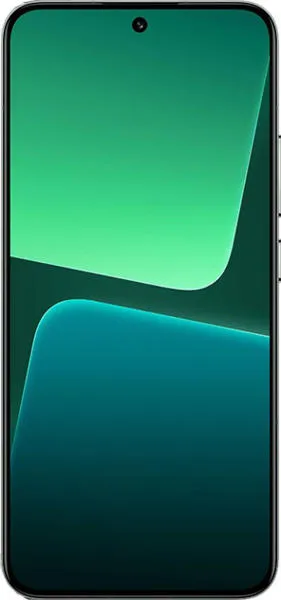
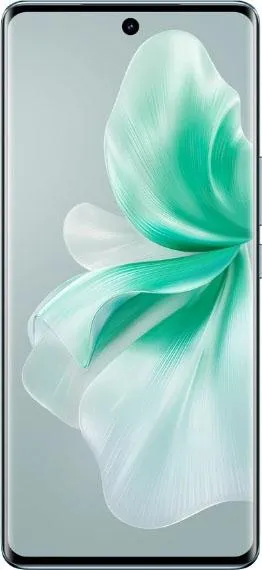
Xiaomi 13 vs. vivo V30: A Deep Dive for the Discerning Smartphone User
Let's dissect the Xiaomi 13 and vivo V30, two compelling smartphones vying for your attention. I'll break down their specs, analyze their real-world performance, and help you decide which phone best fits your needs.
1. Specifications Breakdown
| Feature | Xiaomi 13 | vivo V30 | Real-World Implications |
|---|---|---|---|
| Design | |||
| Dimensions | 152.8 x 71.5 x 8 mm, 185g | 164.4 x 75.1 x 7.5 mm, 186g | Xiaomi 13 is noticeably more compact and potentially easier to handle one-handed. |
| Build Materials | Not specified | Not specified | Build quality and durability remain unknown without further information. |
| Display | |||
| Size | 6.36" AMOLED | 6.78" AMOLED | Vivo V30 offers a larger screen for more immersive media consumption. |
| Resolution | 1080 x 2400 pixels (414 ppi) | 1260 x 2800 pixels (453 ppi) | Vivo V30 boasts slightly sharper visuals due to higher resolution and pixel density. |
| Refresh Rate | 120Hz | 120Hz | Both phones offer smooth scrolling and animations thanks to their high refresh rates. |
| HDR | Dolby Vision, HDR10+ | HDR10+ | Xiaomi 13 supports Dolby Vision, potentially providing a wider range of HDR content compatibility. |
| Performance | |||
| Chipset | Snapdragon 8 Gen 2 | Snapdragon 7 Gen 3 | Xiaomi 13 significantly outperforms in processing power, enabling smoother multitasking and gaming. |
| CPU | Octa-core (up to 3.2 GHz Cortex-X3) | Octa-core (up to 2.63 GHz Cortex-A715) | Xiaomi 13's more powerful CPU cores deliver superior performance in demanding tasks. |
| GPU | Adreno 740 | Adreno 720 | Xiaomi 13's GPU provides a significant advantage in graphics-intensive applications and games. |
| RAM | 8GB/12GB | 8GB/12GB | Both offer ample RAM for smooth multitasking. |
| Camera | |||
| Main Camera | 50MP Sony IMX800 | 50MP OmniVision OV50E | Sensor specifications suggest comparable main camera performance, but real-world testing is needed. |
| Ultrawide | 13MP | 50MP Samsung S5KJN1 | Vivo V30 boasts a higher resolution ultrawide camera. |
| Telephoto | 10MP with OIS, 3.2x optical zoom | None | Xiaomi 13 offers optical zoom for better image quality at longer distances. |
| Video | Up to 8K@24fps, 4K@60fps with EIS | Up to 4K@30fps with EIS | Xiaomi 13 supports higher resolution and frame rate video recording. |
| Battery Life | |||
| Capacity | 4500 mAh | 5000 mAh | Vivo V30's larger battery suggests potentially longer battery life. |
| Charging | Not specified but supports fast charging | Not specified but supports fast charging | Charging speeds need further clarification for accurate comparison. |
| Other | |||
| OS | Android 13 (upgradable to 14) | Android 14 (upgradable to 16) | Vivo V30 offers longer software support. |
| Price | High | Medium | Xiaomi 13 is positioned as a more premium device. |
2. Key Insights
The Xiaomi 13 is a performance powerhouse thanks to the Snapdragon 8 Gen 2. It excels in demanding tasks, gaming, and content creation. The Leica-tuned camera system, including a telephoto lens, promises excellent image quality. However, its smaller battery might be a concern for heavy users.
The vivo V30, while less powerful, offers a larger display, higher resolution, a larger battery, and a surprisingly high-resolution ultrawide camera. It represents strong value for its mid-range price point, catering to users who prioritize media consumption, battery life, and a great overall experience without breaking the bank. The lack of a telephoto lens might disappoint photography enthusiasts.
3. User Profiles and Recommendations
Xiaomi 13: Power users, gamers, content creators, photography enthusiasts who demand top-tier performance and imaging capabilities.
vivo V30: Users who prioritize a large, vibrant display, long battery life, and excellent value. Ideal for media consumption, social media, and everyday tasks.
4. Buying Decision Framework
- What is your budget? The Xiaomi 13 commands a premium price, while the vivo V30 offers compelling value in the mid-range segment.
- What are your performance needs? If you need a phone for demanding tasks and gaming, the Xiaomi 13 is the clear winner. For everyday use, the vivo V30 is more than sufficient.
- How important is camera versatility? The Xiaomi 13's telephoto lens offers greater flexibility for capturing distant subjects. If ultrawide photography is your priority, the Vivo V30 may be more appealing.
My Choice: The Xiaomi 13
While the Vivo V30 offers impressive features for its price, I'd choose the Xiaomi 13. The superior performance of the Snapdragon 8 Gen 2 is a significant factor for me. I value a smooth and responsive user experience, especially when multitasking and running demanding applications. The inclusion of a telephoto lens adds versatility to the camera system, and the compact form factor appeals to my preference for one-handed usability. While the battery life might be slightly shorter, I'm willing to make that trade-off for the significant performance gains and overall premium experience. I also appreciate the potential for Dolby Vision support for enhanced HDR content.
