Xiaomi 13 vs. Tecno Spark 10 Pro: A Deep Dive
Let's dissect the Xiaomi 13 and Tecno Spark 10 Pro, going beyond the spec sheet to understand what these phones offer in the real world.
1. Specifications Breakdown
| Feature | Xiaomi 13 | Tecno Spark 10 Pro | Real-World Implications |
|---|---|---|---|
| Design | |||
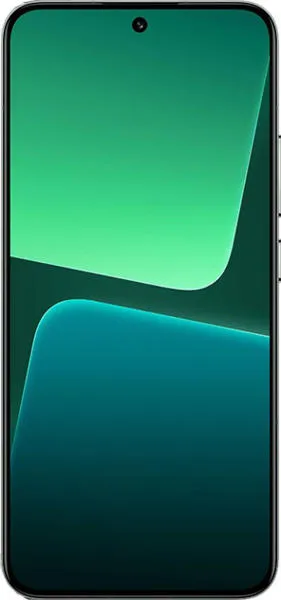
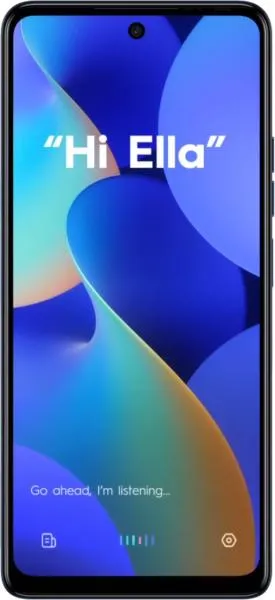
| Dimensions (mm) | 152.8 x 71.5 x 8 | 168.4 x 76.2 x 8.4 | Xiaomi 13 is significantly more compact and pocketable. |
| Weight (g) | 185 | 208 | Xiaomi 13 feels lighter and more comfortable for extended use. |
| Build Materials | Glass, Aluminum | Plastic Frame | Xiaomi 13 offers a more premium feel and potentially better durability. |
| Display | |||
| Display Type | AMOLED, 120Hz | IPS LCD, 90Hz | Xiaomi 13: Richer colors, deeper blacks, smoother scrolling. |
| Resolution | 1080 x 2400 | 1080 x 2460 | Comparable sharpness, but AMOLED offers superior visual quality. |
| Peak Brightness | 1900 nits | N/A | Xiaomi 13 excels in outdoor visibility. |
| Performance | |||
| Chipset | Snapdragon 8 Gen 2 | Helio G88 | Xiaomi 13: Dramatically faster processing, superior gaming. |
| CPU | Octa-core (3.2 GHz) | Octa-core (2.0 GHz) | Xiaomi 13 handles demanding tasks with ease. |
| RAM | 8GB | 8GB | Comparable multitasking capabilities, but raw power differs. |
| Camera | |||
| Main Camera | 50MP, Sony IMX800 | 50MP | Xiaomi 13: Likely better low-light performance, superior image quality due to the sensor. |
| Video Recording | Up to 8K@24fps | Up to 1440p@30fps | Xiaomi 13 offers higher resolution and frame rate video recording. |
| Battery Life | |||
| Capacity | 4500 mAh | 5000 mAh | Tecno Spark 10 Pro likely has longer battery life due to larger capacity and less demanding hardware. |
2. Key Insights
- Performance Disparity: The Xiaomi 13, powered by the flagship Snapdragon 8 Gen 2, vastly outperforms the Tecno Spark 10 Pro in processing power and graphics capabilities. This translates to a smoother user experience, faster app loading, and significantly better gaming performance.
- Display Quality: The Xiaomi 13's 120Hz AMOLED display provides vibrant colors, deep blacks, and incredibly smooth scrolling, making everyday interactions more enjoyable. The Tecno Spark 10 Pro's 90Hz IPS LCD is decent but lacks the visual punch and responsiveness of the AMOLED.
- Camera Prowess: While both phones boast a 50MP main camera, the Xiaomi 13 likely excels in image quality due to its advanced Sony IMX800 sensor, especially in challenging lighting conditions. It also offers superior video recording capabilities.
- Premium vs. Value: The Xiaomi 13 exudes a premium feel with its compact design, high-quality materials, and flagship features. The Tecno Spark 10 Pro prioritizes affordability, compromising on certain aspects like build quality and processing power.
3. User Profiles and Recommendations
- Xiaomi 13: Ideal for power users, gamers, photography enthusiasts, and anyone who values a premium, high-performance smartphone experience. It's a device for those who demand the best and are willing to pay for it.
- Tecno Spark 10 Pro: Suited for budget-conscious users who prioritize battery life and basic functionality. It's a good option for social media browsing, casual gaming, and everyday communication.
4. Buying Decision Framework
- What is your budget? The Xiaomi 13 falls into a high price range, while the Tecno Spark 10 Pro is significantly more affordable.
- What are your performance needs? If you require top-tier processing power for gaming or demanding tasks, the Xiaomi 13 is the clear winner. For basic usage, the Tecno Spark 10 Pro is sufficient.
- How important is display and camera quality? The Xiaomi 13 offers a superior visual experience and likely better camera performance.
My Choice: Xiaomi 13
If I were choosing between these two, I'd go with the Xiaomi 13. As a tech enthusiast, I value the blazing-fast performance, stunning AMOLED display, and superior camera capabilities. The compact form factor is also a big plus for me. While the price is higher, the significant upgrade in overall experience justifies the investment. The Tecno Spark 10 Pro is a solid budget option, but the Xiaomi 13 offers a level of performance and refinement that aligns better with my needs and preferences. The difference in chipset alone (Snapdragon 8 Gen 2 vs. Helio G88) is a deciding factor for anyone who values a smooth and responsive user experience. Furthermore, I appreciate the premium build quality and attention to detail in the Xiaomi 13's design.
