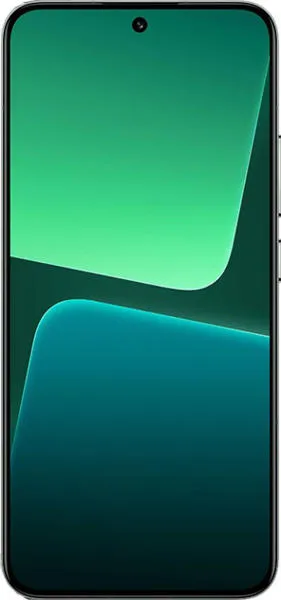
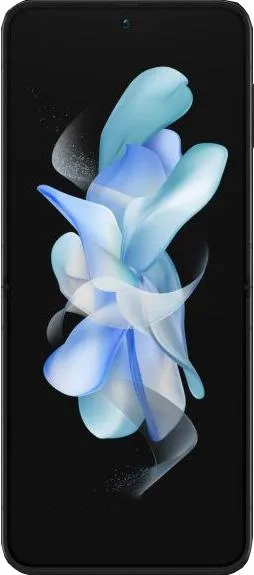
Xiaomi 13 vs. Samsung Galaxy Z Flip5: A Detailed Comparison
The smartphone landscape is constantly evolving, and choosing the right device can feel overwhelming. Today, we'll dissect two compelling options: the Xiaomi 13 and the Samsung Galaxy Z Flip5. We'll go beyond the spec sheet, translating technical jargon into real-world implications to help you decide which phone fits your lifestyle.
1. Specifications Breakdown
| Feature | Xiaomi 13 | Samsung Galaxy Z Flip5 | Real-World Implications |
|---|---|---|---|
| Design | |||
| Dimensions (mm) | 152.8 x 71.5 x 8 | 165.1 x 71.9 x 6.9 (Unfolded) | Xiaomi 13 is more pocketable; Z Flip5 offers compact portability when folded. |
| Weight (g) | 185 | 187 | Negligible weight difference. |
| Foldable | No | Yes | Z Flip5's unique folding design offers a compact form factor and a conversation starter. |
| Display | |||
| Size (inches) | 6.36 | 6.7 | Z Flip5 offers a slightly larger screen for immersive content consumption. |
| Resolution (px) | 1080 x 2400 | 1080 x 2640 | Comparable sharpness; Z Flip5's taller aspect ratio is better suited for scrolling web pages and social media feeds. |
| Refresh Rate (Hz) | 120 | 120 | Both offer smooth scrolling and animations. |
| Display Type | AMOLED | AMOLED 2X | Both deliver vibrant colors and deep blacks; AMOLED 2X potentially offers improved brightness and power efficiency. |
| Performance | |||
| Chipset | Snapdragon 8 Gen 2 | Snapdragon 8 Gen 2 for Galaxy | Z Flip5 utilizes a slightly optimized version of the Snapdragon 8 Gen 2, potentially offering marginal performance gains. |
| CPU | Octa-core | Octa-core | Both offer top-tier processing power for demanding tasks and multitasking. |
| RAM (GB) | 8/12 | 8 | Xiaomi 13 offers a 12GB RAM option for even more aggressive multitasking. |
| Camera | |||
| Rear Camera (MP) | 50 + 12 + 10 | 12 + 12 | Xiaomi 13 boasts a higher resolution main sensor and a dedicated telephoto lens. |
| Front Camera (MP) | 32 | 10 | Xiaomi 13 offers significantly higher resolution for selfies. |
| Battery Life | |||
| Capacity (mAh) | 4500 | 3700 | Xiaomi 13 likely offers longer battery life due to its larger capacity. |
2. Key Insights
- Performance: Both phones are performance powerhouses thanks to the Snapdragon 8 Gen 2. The Z Flip5's "for Galaxy" variant might offer slight optimizations, but in real-world usage, the difference will likely be negligible.
- Photography: The Xiaomi 13 pulls ahead with its versatile triple-camera setup, including a telephoto lens and a higher-resolution main sensor. The Z Flip5's camera is capable, but not as feature-rich.
- Form Factor: The Z Flip5's foldable design is its defining feature. Its compact folded size is incredibly pocketable, and the unique form factor is a conversation starter. However, it comes at the cost of a smaller battery and potentially compromised durability compared to the traditionally designed Xiaomi 13.
3. User Profiles and Recommendations
- Xiaomi 13: Best suited for users who prioritize performance, battery life, and a versatile camera system in a sleek, traditional smartphone design. Power users, photographers, and those who value all-day battery life will appreciate the Xiaomi 13.
- Samsung Galaxy Z Flip5: Ideal for users who value portability and style above all else. The compact folded size is a game-changer for those constantly on the move, and the foldable design is a unique statement piece.
4. Buying Decision Framework
- Is a foldable design a must-have? If yes, the Z Flip5 is your only option here.
- How important is battery life and camera versatility? If these are top priorities, the Xiaomi 13 is the clear winner.
- What's your budget? While prices fluctuate, the Xiaomi 13 generally sits in a higher price bracket than the Z Flip 5.
My Choice: The Xiaomi 13
While the Z Flip5's foldable design is undeniably cool, I prioritize battery life, camera versatility, and a robust, traditional smartphone experience. The Xiaomi 13's larger battery, superior camera system, and powerful performance make it the better all-around device for my needs. The slight performance gains of the Z Flip5's specialized chip aren't enough to outweigh the advantages of the Xiaomi 13 in other areas. I appreciate having a telephoto lens and knowing I can rely on my phone to last a full day on a single charge. For me, the Xiaomi 13 offers a more well-rounded and practical package.
