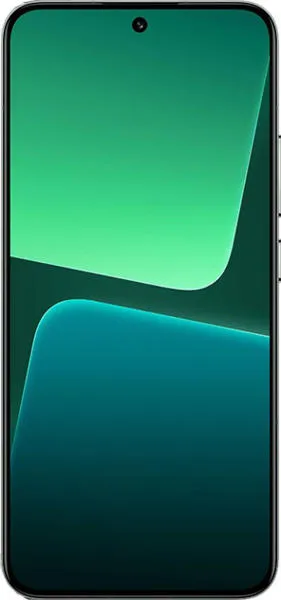
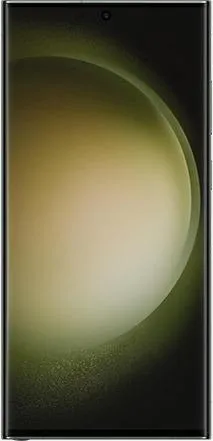
Xiaomi 13 vs. Samsung Galaxy S23 Ultra: A Deep Dive
The smartphone landscape is fiercely competitive, with flagship devices constantly vying for the top spot. Today, we dissect two contenders: the Xiaomi 13 and the Samsung Galaxy S23 Ultra. Let's move beyond the marketing hype and delve into the engineering realities to understand what each phone offers.
1. Specifications Breakdown
| Feature | Xiaomi 13 | Samsung Galaxy S23 Ultra | Real-World Implications |
|---|---|---|---|
| Design | |||
| Dimensions (mm) | 152.8 x 71.5 x 8 | 163.4 x 78.1 x 8.9 | S23 Ultra is larger and heavier; Xiaomi 13 is more pocketable. |
| Weight (g) | 185 | 234 | Noticeable difference in hand; prolonged use might favor the lighter Xiaomi 13. |
| Display | |||
| Size (inches) | 6.36 | 6.8 | S23 Ultra offers a larger canvas for media consumption and multitasking. |
| Resolution (px) | 1080 x 2400 | 1440 x 3088 | S23 Ultra boasts sharper visuals due to higher pixel density. |
| Refresh Rate (Hz) | 120 | 120 | Both offer smooth scrolling and animations. |
| Peak Brightness (nits) | 1900 | 1750 | Xiaomi 13 might be slightly more visible in direct sunlight. |
| Performance | |||
| Chipset | Snapdragon 8 Gen 2 | Snapdragon 8 Gen 2 for Galaxy | Both utilize powerful processors, but the S23 Ultra's customized chip may offer slight performance and efficiency gains. |
| CPU | Octa-core (up to 3.2 GHz) | Octa-core (up to 3.36 GHz) | S23 Ultra has a slightly faster clock speed on the primary core, potentially translating to quicker app launches and demanding tasks. |
| RAM (GB) | 8/12 | 8/12 | Both offer ample RAM for multitasking, though specific configurations vary. |
| Camera | |||
| Main Sensor (MP) | 50 | 200 | S23 Ultra's significantly higher resolution promises more detail and flexibility in cropping. |
| Telephoto (Optical Zoom) | 3.2x | 10x | S23 Ultra offers superior optical zoom capabilities for distant subjects. |
| Battery Life | |||
| Capacity (mAh) | 4500 | 5000 | S23 Ultra's larger battery likely translates to longer usage time on a single charge. |
2. Key Insights
The Xiaomi 13 shines in its compact form factor and lighter weight, making it ideal for one-handed use. It boasts a vibrant display and powerful performance, making it a compelling all-around device. However, its camera system, while capable, doesn't reach the telephoto prowess of the S23 Ultra.
The Samsung Galaxy S23 Ultra, on the other hand, is a powerhouse for productivity and content creation. Its massive, high-resolution display, coupled with the S Pen, offers a unique mobile experience. The camera system, with its astounding 200MP sensor and 10x optical zoom, sets a new standard for mobile photography. The trade-off is its larger size and weight. The customized Snapdragon chip could provide a real-world performance advantage, although further testing is needed.
3. User Profiles and Recommendations
Xiaomi 13: Users who prioritize portability, a sleek design, and a strong overall performance without the need for extreme zoom capabilities or the S Pen. This includes professionals who value one-handed usability and students who need a reliable, pocket-friendly device.
Samsung Galaxy S23 Ultra: Power users, photographers, content creators, and anyone who demands the absolute best in mobile technology. The S Pen integration makes it a strong choice for note-takers and artists. If a large, premium device is acceptable, the S23 Ultra delivers a no-compromise experience.
4. Buying Decision Framework
- How important is portability? If one-handed use and pocket-friendliness are paramount, the Xiaomi 13 is the clear winner.
- What is your primary use case? For everyday tasks, both phones excel. However, for demanding photography, content creation, or note-taking, the S23 Ultra's specialized features shine.
- What is your budget? While pricing can vary, the Xiaomi 13 generally positions itself as a more affordable flagship option compared to the S23 Ultra.
My Choice: Samsung Galaxy S23 Ultra
While I appreciate the Xiaomi 13's compact design, I would choose the Samsung Galaxy S23 Ultra. As a tech journalist, I need a device that can handle demanding tasks, capture high-quality photos and videos, and offer a versatile platform for content creation. The S23 Ultra's superior camera system, especially its telephoto capabilities, is a significant advantage for documenting events and capturing detailed shots. The S Pen further enhances productivity, allowing for quick note-taking and on-the-go editing. The brighter, higher resolution screen is also a plus for reviewing images and videos. While the size is substantial, the added functionality and performance outweigh the portability trade-off for my specific needs. The potential performance boost of the custom Snapdragon chip also intrigues me, especially for long-term use.
