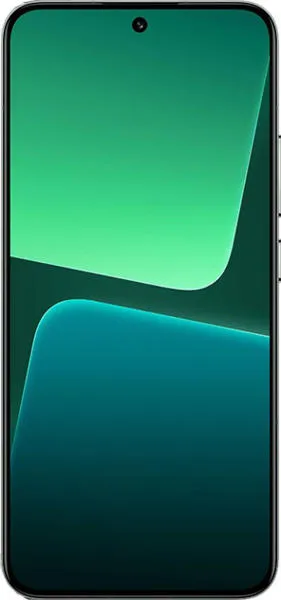
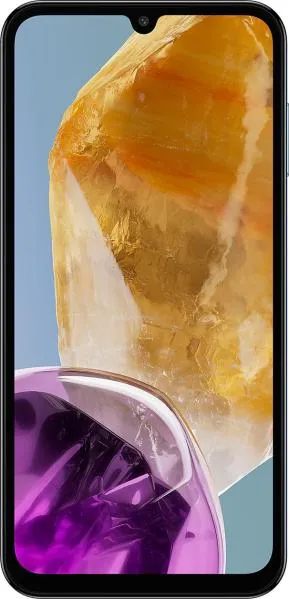
Xiaomi 13 vs. Samsung Galaxy M15: A Deep Dive
Hello fellow tech explorers! Alex Griffin here, ready to dissect the Xiaomi 13 and the Samsung Galaxy M15. We'll go beyond the spec sheets to uncover what these phones really offer in terms of daily use. Let's get started!
1. Specifications Breakdown
| Feature | Xiaomi 13 | Samsung Galaxy M15 | Real-World Implications |
|---|---|---|---|
| Design | |||
| Dimensions (mm) | 152.8 x 71.5 x 8 | 160.1 x 76.8 x 9.3 | Xiaomi 13 is more compact and pocketable. |
| Weight (g) | 185 | 217 | Xiaomi 13 feels lighter in hand. |
| Build Materials | Glass front/back, aluminum frame | Plastic body | Xiaomi 13 offers a more premium feel. M15's plastic may be more durable. |
| Display | |||
| Display Type | 6.36" AMOLED, 120Hz, Dolby Vision, HDR10+ | 6.5" Super AMOLED, 90Hz | Xiaomi 13 boasts smoother animations and potentially brighter HDR content. |
| Resolution | 1080 x 2400 pixels | 1080 x 2340 pixels | Comparable sharpness, but Xiaomi 13 has slightly higher pixel density. |
| Peak Brightness | 1900 nits | 800 nits | Xiaomi 13 offers significantly better visibility outdoors. |
| Performance | |||
| Chipset | Snapdragon 8 Gen 2 (4 nm) | Mediatek Dimensity 6100+ (6 nm) | Xiaomi 13 delivers significantly faster processing speeds and better gaming. |
| CPU | Octa-core (up to 3.2 GHz) | Octa-core (up to 2.2 GHz) | Xiaomi 13 provides smoother multitasking and quicker app launches. |
| GPU | Adreno 740 | Mali-G57 MC2 | Xiaomi 13 offers superior graphics performance for demanding games. |
| RAM | 8GB/12GB | 4/6GB | Xiaomi 13 provides more headroom for multitasking and demanding applications. |
| Camera | |||
| Rear Camera | 50MP (wide) + 13MP (ultrawide) + 10MP (telephoto) | 50MP (wide) + 5MP (ultrawide) + 2MP (macro) | Xiaomi 13 offers a dedicated telephoto lens for optical zoom, higher quality sensor. |
| Video Recording | Up to 8K@24fps | Up to 1080p@30fps | Xiaomi 13 allows for much higher resolution video capture. |
| Battery Life | |||
| Capacity | 4500 mAh | 6000 mAh | Samsung Galaxy M15 likely offers longer battery life, trading off performance. |
| Charging | 67W wired, 50W wireless | Proprietary fast charging | Xiaomi 13 offers significantly faster charging speeds. |
| Other | |||
| Price Range | High | Medium | Xiaomi 13 is considerably more expensive. |
2. Key Insights
The Xiaomi 13 is a flagship device offering top-tier performance, a stunning display, and a versatile camera system. Its Snapdragon 8 Gen 2 chip blows the M15's Dimensity 6100+ out of the water. The brighter, 120Hz AMOLED display is a visual treat.
The Samsung Galaxy M15, however, focuses on affordability and long battery life. Its massive 6000 mAh battery will easily last a full day, even with heavy use. While performance is adequate for everyday tasks, it can't compete with the Xiaomi 13's raw power.
3. User Profiles and Recommendations
Xiaomi 13: Ideal for power users, gamers, photography enthusiasts, and anyone who demands the best performance and display quality. If you value speed, premium features, and don't mind paying a premium, the Xiaomi 13 is a strong contender.
Samsung Galaxy M15: Best suited for budget-conscious users who prioritize battery life above all else. Students, casual users, and those seeking a reliable device for basic tasks will find the M15 a good fit.
4. Buying Decision Framework
- What is your budget? The Xiaomi 13 sits in a higher price bracket.
- What are your performance needs? For demanding tasks and gaming, the Xiaomi 13 is vastly superior.
- How important is battery life? The Samsung M15 excels in this area.
Scenario: If you're a mobile gamer, the Xiaomi 13's superior processor and GPU are essential. If you're a student who needs a phone that lasts all day on a single charge, the M15 is the more practical choice.
My Choice: The Xiaomi 13
While the Samsung Galaxy M15 offers impressive battery life for its price, I would choose the Xiaomi 13. As a tech enthusiast, I prioritize performance, a premium display, and a versatile camera. The Snapdragon 8 Gen 2, coupled with the brilliant 120Hz AMOLED display, provides a significantly smoother and more responsive user experience. The superior camera system, particularly the telephoto lens, further solidifies my choice. I'm willing to pay the premium for the flagship experience and faster charging, and while the M15's battery is tempting, I can easily manage the Xiaomi 13's battery with power banks and optimized usage. The overall user experience offered by the Xiaomi 13, in my view, justifies the higher cost.
