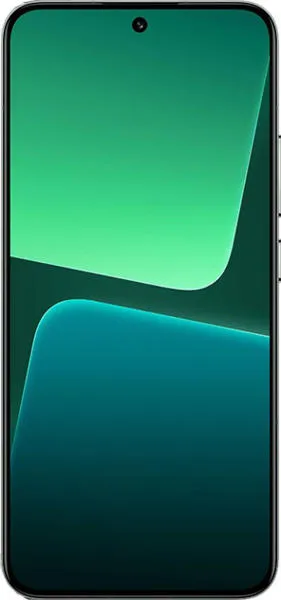
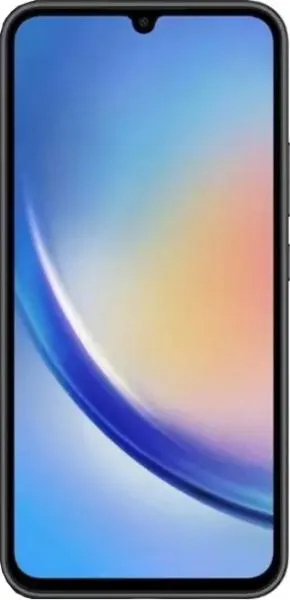
Xiaomi 13 vs. Samsung Galaxy A34: A Deep Dive for the Discerning Smartphone User
Hello fellow tech explorers! Today, we're dissecting two compelling smartphones: the Xiaomi 13 and the Samsung Galaxy A34. While they occupy different price tiers, both offer intriguing features that cater to distinct user needs. Let's delve into the specifics and uncover what makes each device tick.
1. Specifications Breakdown
| Feature | Xiaomi 13 | Samsung Galaxy A34 | Real-World Implications |
|---|---|---|---|
| Design | |||
| Dimensions (mm) | 152.8 x 71.5 x 8 mm | 161.3 x 78.1 x 8.2 mm | Xiaomi 13 is more compact and pocketable. |
| Weight (g) | 185g | 199g | Noticeable difference in hand; Xiaomi 13 feels lighter. |
| Display | |||
| Type | AMOLED, 120Hz, Dolby Vision, HDR10+, 1900 nits peak | Super AMOLED, 120Hz, 1000 nits (HBM) | Both offer smooth scrolling; Xiaomi 13 boasts higher brightness and superior HDR support for vibrant visuals. |
| Size | 6.36" | 6.6" | A34 provides slightly more screen real estate. |
| Resolution | 1080 x 2400 pixels | 1080 x 2340 pixels | Comparable sharpness; minimal difference in pixel density. |
| Performance | |||
| Chipset | Snapdragon 8 Gen 2 | MediaTek Dimensity 1080 | Xiaomi 13 significantly outperforms in demanding tasks and gaming. |
| CPU | Octa-core (3.2 GHz X3, 2.8 GHz A715/A710, 2.0 GHz A510) | Octa-core (2.6 GHz A78, 2.0 GHz A55) | Xiaomi 13 offers superior processing power and speed. |
| GPU | Adreno 740 | Mali-G68 MC4 | Xiaomi 13 delivers a much smoother gaming experience. |
| RAM | 8GB/12GB | 6GB/8GB | Xiaomi 13 offers more RAM for multitasking. |
| Camera | |||
| Main | 50MP Sony IMX800, f/1.8, OIS | 48MP Sony IMX582, f/1.8, OIS | Both have capable main sensors; Xiaomi 13 likely produces higher quality images in various conditions. |
| Video | Up to 8K@24fps | Up to 4K@30fps | Xiaomi 13 offers superior video resolution and frame rates. |
| Battery Life | |||
| Capacity | 4500 mAh | 5000 mAh | A34 has a larger battery, potentially lasting longer with moderate usage. Xiaomi 13's efficiency could close the gap. |
2. Key Insights
The Xiaomi 13 is a flagship contender. Its Snapdragon 8 Gen 2 chipset delivers blazing-fast performance, making it ideal for demanding users and mobile gamers. The brilliant display with Dolby Vision and HDR10+ support provides a stunning visual experience. While the battery is smaller than the A34's, the 8 Gen 2's efficiency might surprise you.
The Samsung Galaxy A34, on the other hand, is a mid-range champion. It prioritizes battery life with its 5000 mAh capacity, making it suitable for users who prioritize all-day endurance. While its Dimensity 1080 processor can handle everyday tasks, it won't match the Xiaomi 13's raw power for gaming or heavy multitasking.
3. User Profiles and Recommendations
Xiaomi 13: Power users, mobile gamers, content creators, and those who demand top-tier performance and a premium visual experience.
Samsung Galaxy A34: Budget-conscious users, social media enthusiasts, casual gamers, and those who prioritize long battery life and reliable performance for everyday tasks.
4. Buying Decision Framework
- What's your budget? The Xiaomi 13 sits in a higher price bracket. If budget is a primary concern, the A34 offers excellent value.
- What's your usage pattern? Heavy multitasking, gaming, and content creation lean towards the Xiaomi 13. Casual usage, social media, and web browsing are well-suited for the A34.
- What features matter most? Prioritize peak performance and display quality? Choose the Xiaomi 13. Prioritize battery life and affordability? Choose the A34.
My Choice: If I were choosing between these two, I'd go for the Xiaomi 13. While the A34 is a solid mid-ranger, I value the significant performance leap offered by the Snapdragon 8 Gen 2. The superior display and more compact form factor are also major draws for me. I'm willing to pay the premium for the significant boost in overall user experience, even with a slightly smaller battery. The efficiency of the 8 Gen 2 coupled with fast charging mitigates battery concerns for my usage.
