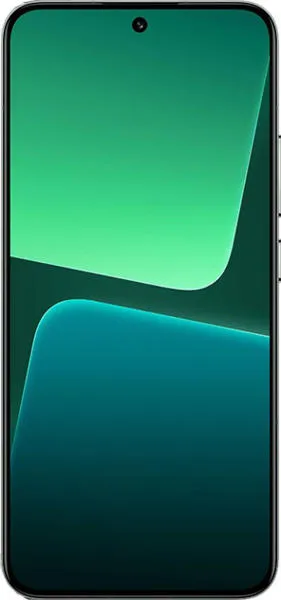
Xiaomi 13 vs. realme 8: A Comparative Deep Dive
Let's dissect the Xiaomi 13 and realme 8, translating their spec sheets into real-world experiences to help you decide which phone fits your needs.
1. Specifications Breakdown
| Feature | Xiaomi 13 | realme 8 | Real-World Implications | |
|---|---|---|---|---|
| Design | ||||
| Dimensions (mm) | 152.8 x 71.5 x 8 | 162 x 75.1 x 8.7 | Xiaomi 13 is noticeably more compact, offering better one-handed usability. Realme 8 has a larger footprint. | |
| Weight (g) | 185 | 191 | Xiaomi 13 feels lighter in hand, reducing fatigue during extended use. | |
| Display | ||||
| Size (inches) | 6.36 | 6.78 | Realme 8 provides a larger canvas for media consumption and multitasking. | |
| Resolution (px) | 1080 x 2400 | 1264 x 2780 | Realme 8 boasts a sharper display with more detail, though both offer excellent clarity. | |
| Type | AMOLED, 120Hz, Dolby Vision, HDR10+ | LTPO AMOLED, 120Hz, 1B colors, HDR | Both offer smooth scrolling and vibrant colors, but realme 8's LTPO panel enables more granular refresh rate control for potential power savings. Its wider color gamut might appeal to creative professionals. | |
| Peak Brightness | 1900 nits | 6000 nits | Realme 8 offers significantly higher peak brightness, ensuring exceptional outdoor visibility. | |
| Performance | ||||
| Chipset | Snapdragon 8 Gen 2 (4nm) | Snapdragon 7+ Gen 3 (4nm) | Xiaomi 13 packs a flagship processor, promising superior performance in demanding tasks and gaming. Realme 8 offers a powerful mid-range chip with excellent efficiency. | |
| CPU | Octa-core (up to 3.2 GHz Cortex-X3) | Octa-core (up to 2.8 GHz Cortex-X4) | Xiaomi 13's CPU boasts a higher clock speed on its prime core, leading to potentially faster single-core performance, important for responsiveness. | |
| GPU | Adreno 740 | Adreno 732 | Xiaomi 13 has a more powerful GPU, delivering smoother gaming and faster graphics rendering. | |
| RAM | 8GB/12GB | 12GB | Both offer ample RAM for multitasking, though Xiaomi 13 provides an 8GB option for a lower price point. | |
| Camera | Data Not Available | Insufficient data to compare camera performance. Xiaomi 13 has detailed specifications suggesting a versatile triple camera setup. | ||
| Battery Life | ||||
| Capacity (mAh) | 4500 | 5500 | Realme 8 offers a larger battery, potentially translating to longer usage time. |
2. Key Insights
- Performance: The Xiaomi 13 significantly outperforms the realme 8 with its flagship Snapdragon 8 Gen 2 processor. This translates to smoother gaming, faster app loading, and better overall responsiveness. The realme 8, while powerful for its price range, can't match the raw power of the Xiaomi 13.
- Display: Both phones boast excellent displays, but the realme 8's LTPO panel and higher peak brightness give it an edge for outdoor use and battery efficiency. Its wider color range might be appealing to content creators. Xiaomi 13's Dolby Vision and HDR10+ support, however, could offer a more compelling HDR experience.
- Size and Design: The Xiaomi 13 is more compact and lighter, making it ideal for one-handed use. The realme 8 is larger, providing more screen real estate for media consumption.
3. User Profiles and Recommendations
- Xiaomi 13: Power users, gamers, and anyone prioritizing top-tier performance and a premium, compact design.
- realme 8: Users seeking a large, vibrant display with long battery life, excellent value, and strong overall performance for everyday tasks.
4. Buying Decision Framework
- What is your budget? The Xiaomi 13 is a high-end flagship, while the realme 8 offers excellent value in the mid-range segment.
- What are your performance needs? For demanding tasks and gaming, the Xiaomi 13 is the clear winner. For everyday use, the realme 8 offers more than enough power.
- Do you prioritize a compact design or a larger display? The Xiaomi 13 is more pocketable, while the realme 8 provides a more immersive viewing experience.
My Choice: Xiaomi 13
While the realme 8 offers a compelling package with its large battery and display, I would choose the Xiaomi 13. As a tech enthusiast who values performance and a refined user experience, the Snapdragon 8 Gen 2 is a major draw. The compact form factor also aligns with my preference for one-handed usability. Although the realme 8 offers a larger battery, I'm willing to sacrifice some battery life for the significant performance gains and premium feel of the Xiaomi 13. The lack of camera details for the realme 8 also makes a comprehensive comparison difficult, but the available specifications on the Xiaomi 13 point to a highly capable camera system.
