Xiaomi 13 vs. Oppo Reno8 T: A Deep Dive for the Discerning Smartphone User
Hello, fellow tech explorers! Today, we're dissecting two intriguing smartphones: the Xiaomi 13 and the Oppo Reno8 T. While both offer compelling features, our analysis will uncover the nuances that separate them, helping you decide which device best aligns with your needs.
1. Specifications Breakdown: Beyond the Numbers
Let's start with a detailed look at the core specifications, but with a twist. We won't just list numbers; we'll translate them into real-world experiences.
| Feature | Xiaomi 13 | Oppo Reno8 T | Real-World Implications |
|---|---|---|---|
| Design | |||
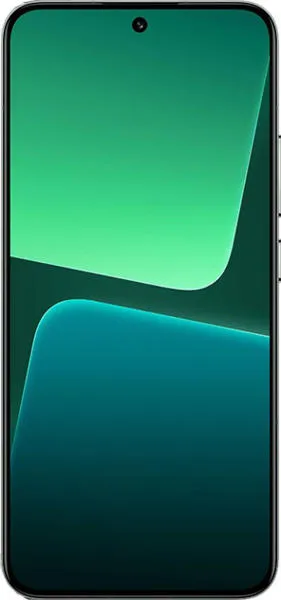
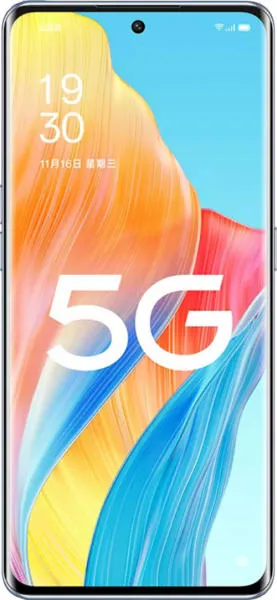
| Dimensions (mm) | 152.8 x 71.5 x 8 | 160.8 x 73.8 x 7.8 | Xiaomi 13 is noticeably more compact, potentially easier for one-handed use. |
| Weight (g) | 185 | 180 | Negligible weight difference; both feel comfortable in hand. |
| Display | |||
| Size (inches) | 6.36 | 6.43 | Oppo Reno8 T offers slightly more screen real estate. |
| Resolution | 1080 x 2400 | 1080 x 2400 | Both have sharp FHD+ displays. |
| Refresh Rate (Hz) | 120 | 90 | Xiaomi 13's 120Hz display will feel smoother and more responsive, especially in games and scrolling. |
| Display Type | AMOLED, Dolby Vision, HDR10+ | AMOLED | Xiaomi 13's display supports HDR content with richer colors and higher brightness, resulting in a superior visual experience. |
| Performance | |||
| Chipset | Snapdragon 8 Gen 2 | MediaTek Helio G99 | Xiaomi 13 significantly outperforms in processing power; expect smoother multitasking and demanding gaming. |
| CPU | Octa-core (up to 3.2 GHz) | Octa-core (up to 2.2 GHz) | Xiaomi 13's superior CPU architecture and clock speed translate to snappier performance across the board. |
| RAM (GB) | 8/12 | 8 | Both offer sufficient RAM for most tasks, though Xiaomi 13's 12GB option provides headroom for future-proofing. |
| Camera | |||
| Main Camera (MP) | 50 (Sony IMX800) | 100 (Samsung HM6) | Oppo boasts higher megapixel count; real-world image quality depends on sensor size, processing, and lens quality. |
| Video | Up to 8K@24fps | Up to 1080p@30fps | Xiaomi 13 offers significantly better video recording capabilities with higher resolution and frame rates. |
| Battery Life | |||
| Capacity (mAh) | 4500 | 5000 | Oppo Reno8 T has a larger battery capacity, potentially lasting longer on a single charge. |
2. Key Insights: The Experience Equation
The Xiaomi 13 clearly leads in performance, thanks to its flagship Snapdragon 8 Gen 2 processor. This translates to a noticeably smoother and faster experience, particularly when gaming, multitasking, or running demanding apps. The 120Hz display further enhances this fluidity. While the Oppo Reno8 T offers a competent MediaTek processor, it's not in the same league.
In the camera department, megapixels don't tell the whole story. While the Oppo Reno8 T boasts a 100MP sensor, the Xiaomi 13 utilizes the renowned Sony IMX800, known for its excellent image quality. Xiaomi also significantly outperforms in video recording capabilities.
The Oppo Reno8 T's larger 5000mAh battery might offer longer endurance, appealing to users who prioritize all-day usage.
3. User Profiles and Recommendations: Finding Your Perfect Fit
Xiaomi 13: Ideal for power users, gamers, and those who demand top-tier performance and a premium visual experience. The compact form factor is a bonus for those who prefer smaller phones.
Oppo Reno8 T: Suited for budget-conscious users who prioritize battery life and a large display for media consumption. Casual users who primarily use their phones for social media, browsing, and light gaming will find this phone adequate.
4. Buying Decision Framework: Three Questions to Guide Your Choice
- Is peak performance a priority? If yes, the Xiaomi 13 is the clear winner.
- What's your budget? The Oppo Reno8 T offers a more affordable entry point.
- How important is battery life? If all-day longevity is crucial, the Reno8 T's larger battery might be more appealing.
My Choice: The Xiaomi 13
If I were choosing between these two, I'd go for the Xiaomi 13. As a tech enthusiast and someone who appreciates a smooth and responsive user experience, the performance advantage offered by the Snapdragon 8 Gen 2 and the 120Hz display is simply too compelling to ignore. The superior camera quality, particularly in video recording, further solidifies my choice. While the Oppo Reno8 T offers a larger battery, I'm willing to trade a bit of battery life for the significant performance gains and premium features of the Xiaomi 13. Its more compact size is also a plus for me. Ultimately, the Xiaomi 13 provides a more well-rounded and future-proof package.
