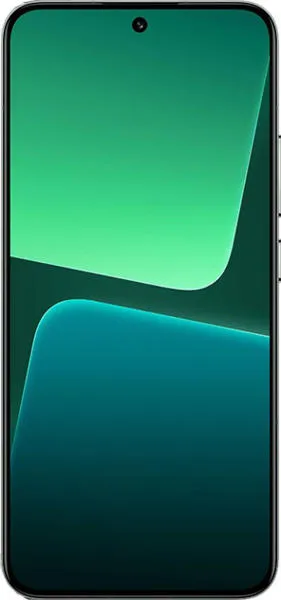
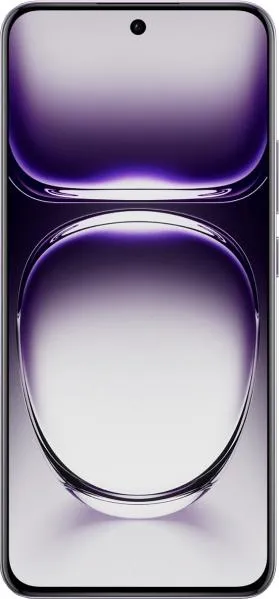
Xiaomi 13 vs. Oppo Reno12 Pro: A Deep Dive
Let's dissect the Xiaomi 13 and Oppo Reno12 Pro, two compelling smartphones with distinct strengths. This analysis goes beyond mere spec sheets, focusing on how these technical differences translate into real-world experiences.
1. Specifications Breakdown
| Feature | Xiaomi 13 | Oppo Reno12 Pro | Real-World Implications |
|---|---|---|---|
| Design | |||
| Dimensions (mm) | 152.8 x 71.5 x 8 | 161.5 x 74.8 x 7.4 | Xiaomi 13 is noticeably more compact, potentially offering a better one-hand grip. Reno12 Pro is slimmer but taller. |
| Weight (g) | 185 | 180 | Negligible weight difference; both feel light in hand. |
| Display | |||
| Size (inches) | 6.36 | 6.7 | Reno12 Pro offers a larger screen for more immersive media consumption. |
| Resolution | 1080x2400 | 1080x2412 | Virtually identical pixel density; both offer sharp visuals. |
| Refresh Rate (Hz) | 120 | 120 | Smooth scrolling and animations on both devices. |
| Display Type | AMOLED | AMOLED | Vibrant colors, deep blacks, and excellent contrast on both. Xiaomi boasts Dolby Vision and higher peak brightness (1900 nits). |
| Performance | |||
| Chipset | Snapdragon 8 Gen 2 | Dimensity 7300 | Xiaomi 13 significantly outperforms in processing power and graphics, enabling smoother multitasking and demanding gaming. |
| CPU | Octa-core (3.2 GHz X3...) | Octa-core (2.5 GHz A78...) | Xiaomi's superior CPU architecture delivers faster speeds and improved efficiency. |
| GPU | Adreno 740 | Mali-G615 MC2 | Adreno 740 provides a substantial advantage in gaming and graphics-intensive tasks. |
| RAM (GB) | 8/12 | 12 | While both offer ample RAM, Xiaomi offers an 8GB variant, while Reno 12 Pro starts at 12GB |
| Camera | |||
| Main Sensor (MP) | 50 (IMX800) | 50 | Both have high-resolution sensors, but the Sony IMX800 in the Xiaomi generally captures more detail and dynamic range. |
| Video | 8K@24fps | 4K@30fps | Xiaomi 13 supports higher resolution video recording. |
| Battery Life | |||
| Capacity (mAh) | 4500 | 5000 | Reno12 Pro boasts a larger battery, potentially translating to longer usage time. |
2. Key Insights
- Performance Powerhouse: The Xiaomi 13, with its Snapdragon 8 Gen 2, is a clear winner in performance. It's built for demanding users who prioritize speed and responsiveness.
- Display Delight: While both phones feature stunning AMOLED displays, the Xiaomi 13's Dolby Vision support and significantly higher peak brightness give it an edge in HDR content consumption and outdoor visibility.
- Camera Prowess: Both offer capable camera systems, but the Xiaomi 13, especially with its Sony IMX800 sensor, tends to deliver superior image quality and dynamic range. Its 8K video recording capability also caters to content creators.
- Battery Endurance vs. Compactness: The Reno12 Pro's larger battery likely provides longer usage on a single charge. However, the Xiaomi 13 counters with a more pocketable design.
3. User Profiles and Recommendations
- Xiaomi 13: Ideal for power users, gamers, and photography enthusiasts who demand top-tier performance, a brilliant display, and a compact form factor.
- Oppo Reno12 Pro: Suited for users who prioritize battery life, a large screen for media consumption, and a stylish design. Its capable camera system also makes it a good all-around option.
4. Buying Decision Framework
- What matters most: Performance or Battery Life? If you prioritize speed and responsiveness, the Xiaomi 13 is the clear winner. If all-day battery life is paramount, the Reno12 Pro is more compelling.
- What's your budget? The Xiaomi 13 sits in a higher price bracket. The Reno12 Pro offers excellent value for its mid-range price.
- How important is display quality? While both displays are good, the Xiaomi 13's Dolby Vision and higher peak brightness provide a noticeable advantage for HDR content and outdoor use.
My Choice: The Xiaomi 13
As a tech journalist who values performance, a compact design, and a superior display, I'd choose the Xiaomi 13. The Snapdragon 8 Gen 2 offers a significant performance advantage that I appreciate for multitasking and occasional gaming. The brighter display with Dolby Vision enhances my media consumption experience. While the Reno12 Pro offers a larger battery, I find the Xiaomi 13's compact form factor more appealing for daily use. The superior main camera sensor is also a deciding factor for me. The price difference is justifiable for the significant performance leap and overall more premium experience.
