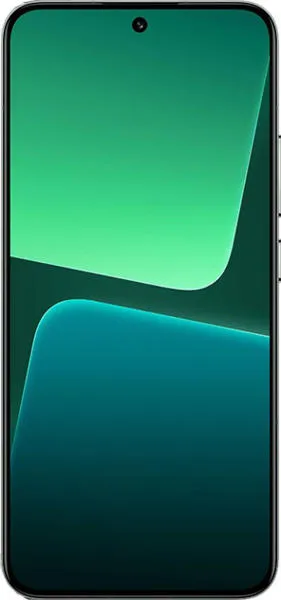
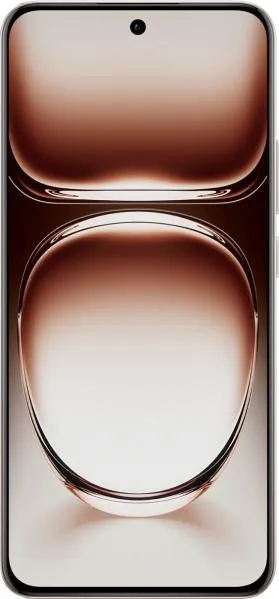
Xiaomi 13 vs. Oppo Reno12: A Deep Dive for the Discerning Smartphone User
Hello, fellow tech explorers! Alex Griffin here, ready to dissect the Xiaomi 13 and Oppo Reno12. We'll go beyond the spec sheet, translating engineering jargon into real-world experiences to help you choose the perfect device.
1. Specifications Breakdown
Let's start with a detailed comparison table, highlighting the practical implications of each spec:
| Feature | Xiaomi 13 | Oppo Reno12 | Real-World Implications |
|---|---|---|---|
| Design | |||
| Dimensions (mm) | 152.8 x 71.5 x 8 | 161.4 x 74.1 x 7.6 | Xiaomi 13 is noticeably more compact, offering better one-handed usability. |
| Weight (g) | 185 | 177 | While both are lightweight, the Reno12 edges out the Xiaomi 13 in terms of portability. |
| Display | |||
| Size (inches) | 6.36 | 6.7 | Reno12 provides a larger screen for media consumption, while the Xiaomi 13 is more pocketable. |
| Resolution (px) | 1080 x 2400 | 1080 x 2412 | Virtually identical sharpness; both offer crisp visuals. |
| Refresh Rate (Hz) | 120 | 120 | Smooth scrolling and fluid animations on both devices. |
| Peak Brightness(nits) | 1900 | 1200 | Xiaomi 13's significantly higher peak brightness ensures superior outdoor visibility. |
| Performance | |||
| Chipset | Snapdragon 8 Gen 2 | Dimensity 7300 | Xiaomi 13 boasts significantly higher CPU and GPU performance, ideal for demanding tasks and gaming. |
| RAM (GB) | 8/12 | 12 | Both offer ample RAM for multitasking, but Xiaomi 13's top-tier chipset provides a performance edge. |
| Camera | |||
| Main Sensor (MP) | 50 MP Sony IMX800 | 50 MP Sony IMX766 | Both have high-resolution sensors, but real-world image quality depends on processing. |
| Video | Up to 8K@24fps | Up to 4K@30fps | Xiaomi 13 offers higher resolution video recording capabilities. |
| Battery Life | |||
| Capacity (mAh) | 4500 | 5000 | Reno12's larger battery likely translates to longer usage time. |
2. Key Insights
The Xiaomi 13 is a performance powerhouse thanks to the Snapdragon 8 Gen 2. Expect blazing-fast speeds, seamless multitasking, and top-tier gaming capabilities. Its compact form factor makes it a joy to handle. The brighter display ensures excellent outdoor visibility.
The Oppo Reno12, while not as powerful, offers a larger battery and a more affordable price point. It's a well-rounded device for everyday tasks, media consumption, and casual gaming.
Trade-offs: The Xiaomi 13 prioritizes performance and portability, potentially sacrificing battery life compared to the Reno12. The Reno12 offers a larger display and battery but compromises on raw processing power.
3. User Profiles and Recommendations
Xiaomi 13: Ideal for power users, gamers, and anyone who demands top-tier performance in a compact package. Its superior camera system also caters to photography enthusiasts.
Oppo Reno12: Best suited for users seeking a balanced device with a large screen, long battery life, and a more budget-friendly price. It's a great option for social media, streaming, and everyday communication.
4. Buying Decision Framework
- Is top-tier performance a priority? If yes, the Xiaomi 13 is the clear winner.
- Do you value a larger screen and longer battery life? If so, the Reno12 is a strong contender.
- What's your budget? The Xiaomi 13 sits in a higher price bracket while the Reno12 offers excellent value for its price.
My Choice: As Alex Griffin, I'd choose the Xiaomi 13. While the Reno12 is compelling, I prioritize the sheer performance and compact form factor of the Xiaomi 13. The superior chipset and brighter display are significant advantages for my workflow, which involves heavy multitasking, content creation, and on-the-go gaming. I'm willing to manage battery life strategically to gain the significant performance benefits. The leap in processing power and graphics capabilities of the Snapdragon 8 Gen 2, compared to the Dimensity 7300, significantly influences my decision as I value a fluid and responsive user experience above all else.
