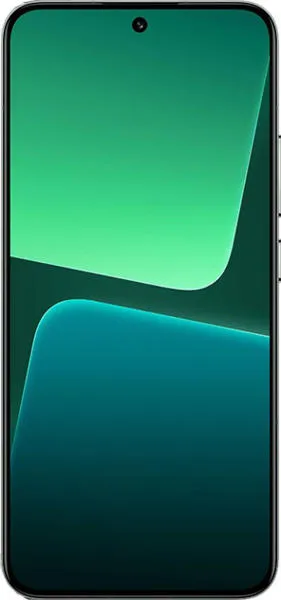
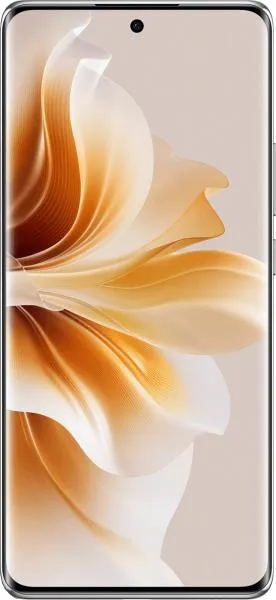
Let's dive into a comparative analysis of the Xiaomi 13 and the Oppo Reno11, dissecting their technical specifications and translating them into real-world implications for you.
1. Specifications Breakdown
| Feature | Xiaomi 13 | Oppo Reno11 | Real-World Implications |
|---|---|---|---|
| Design | |||
| Dimensions (mm) | 152.8 x 71.5 x 8 | 162.4 x 74.3 x 7.9 | Xiaomi 13 is noticeably more compact, potentially easier for one-handed use. |
| Weight (g) | 185 | 182 | Negligible weight difference. |
| Display | |||
| Size (inches) | 6.36 | 6.7 | Oppo Reno11 offers a larger screen for more immersive content consumption. |
| Resolution (px) | 1080 x 2400 | 1080 x 2412 | Virtually identical sharpness; both are crisp and detailed. |
| Refresh Rate (Hz) | 120 | 120 | Both offer smooth scrolling and animations. |
| Display Type | AMOLED, Dolby Vision, HDR10+, 1900 nits peak | AMOLED, HDR10+, 950 nits peak | Xiaomi 13's display gets significantly brighter outdoors and offers Dolby Vision for enhanced HDR. |
| Performance | |||
| Chipset | Snapdragon 8 Gen 2 (4 nm) | MediaTek Dimensity 7050 (6 nm) | Xiaomi 13 boasts significantly more powerful CPU and GPU, leading to much faster performance. |
| CPU | Octa-core (up to 3.2 GHz) | Octa-core (up to 2.6 GHz) | Xiaomi 13 will handle demanding tasks and multitasking with greater ease. |
| RAM (GB) | 8/12 | 12 | Both offer ample RAM for smooth operation, though Xiaomi 13 offers an 8GB variant |
| Camera | |||
| Main Camera (MP) | 50 (Sony IMX800) | 50 (Sony LYT-600) | Both utilize high-resolution sensors; image quality comparison would require real-world testing. |
| Video | Up to 8K@24fps | Up to 4K@30fps | Xiaomi 13 offers higher resolution video recording capabilities. |
| Battery Life | |||
| Capacity (mAh) | 4500 | 5000 | Oppo Reno11 has a larger battery, potentially leading to longer usage time. |
| Other | |||
| Price Range | High | Medium | Xiaomi 13 is positioned as a more premium device. |
2. Key Insights
- Performance: The Xiaomi 13's Snapdragon 8 Gen 2 significantly outperforms the Oppo Reno11's Dimensity 7050. This translates to a smoother experience in demanding games, faster app loading, and more responsive multitasking.
- Display: While both phones have 120Hz AMOLED displays, the Xiaomi 13's panel gets much brighter, making it more usable in direct sunlight. The inclusion of Dolby Vision on the Xiaomi 13 also suggests a superior HDR experience.
- Camera: On paper, both phones offer compelling camera systems. Real-world image and video quality would need to be compared to determine a clear winner. However, the Xiaomi 13 boasts 8K video recording, providing more flexibility for content creators.
- Battery: The Oppo Reno11 packs a larger 5000 mAh battery compared to the Xiaomi 13's 4500 mAh. This might translate to longer battery life, but real-world usage will vary depending on individual habits.
- Price: The Xiaomi 13 commands a higher price, reflecting its flagship-level specifications. The Oppo Reno11 offers a more budget-friendly option with competitive features.
3. User Profiles and Recommendations
- Xiaomi 13: Ideal for power users, gamers, and those who demand top-tier performance and a premium display. Content creators will also appreciate the 8K video recording.
- Oppo Reno11: Suited for users seeking a balance of performance, features, and affordability. It's a good option for everyday tasks, social media, and casual gaming. Users prioritizing battery life might find the Reno11 more appealing.
4. Buying Decision Framework
- What is your budget? The Xiaomi 13 is significantly more expensive.
- Is top-tier performance a priority? If yes, the Xiaomi 13 is the clear choice.
- How important is battery life? The Oppo Reno11 likely offers longer battery life due to its larger battery capacity.
My Choice: Xiaomi 13
While the Oppo Reno11 offers a compelling package for its price, I would choose the Xiaomi 13. The significant performance advantage offered by the Snapdragon 8 Gen 2, coupled with the brighter, Dolby Vision-enabled display, are decisive factors for me. I prioritize a smooth and responsive user experience, especially for demanding tasks and gaming. While the Reno11's larger battery is tempting, I'm willing to sacrifice a bit of battery life for the superior overall performance and display quality of the Xiaomi 13. The more compact form factor of the Xiaomi 13 is also appealing to me.
