Xiaomi 13 vs. OnePlus 11: A Deep Dive for the Discerning User
The smartphone landscape is constantly evolving, and choosing the right device can feel overwhelming. Today, we'll dissect two compelling contenders: the Xiaomi 13 and the OnePlus 11. Both boast impressive specs, but let's delve deeper than surface numbers to uncover what truly sets them apart.
1. Specifications Breakdown
| Feature | Xiaomi 13 | OnePlus 11 | Real-World Implications | |||||
|---|---|---|---|---|---|---|---|---|
| Design | ||||||||
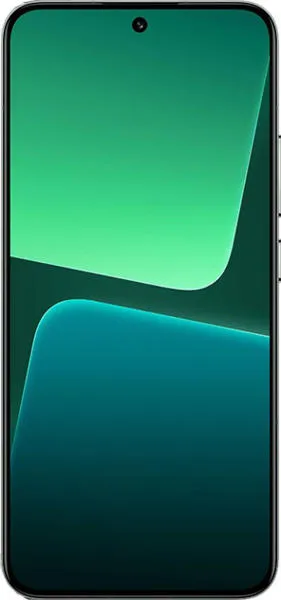
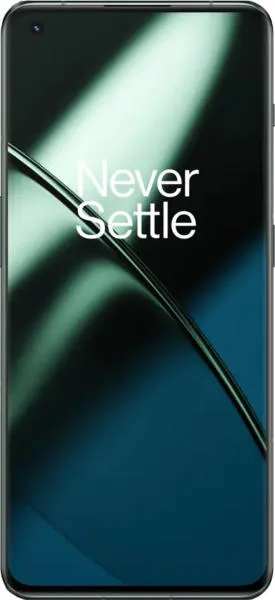
| Dimensions (mm) | 152.8 x 71.5 x 8 | 163.1 x 74.1 x 8.5 | Xiaomi 13 is noticeably more compact, offering better one-handed usability. | |||||
| Weight (g) | 185 | 205 | Lighter Xiaomi 13 reduces hand fatigue during extended use. | |||||
| Display | ||||||||
| Size (inches) | 6.36 | 6.7 | OnePlus 11 provides a larger canvas for media consumption but might be less pocketable. | |||||
| Resolution (px) | 1080 x 2400 | 1440 x 3216 | OnePlus 11 boasts sharper visuals due to higher resolution and pixel density. | |||||
| Refresh Rate (Hz) | 120 | 120 | Both offer smooth scrolling and animations. OnePlus 11 utilizes LTPO for potential power savings. | |||||
| Display Type | AMOLED | LTPO3 AMOLED | OnePlus 11's LTPO3 allows for dynamic refresh rate adjustment, conserving battery. | |||||
| Peak Brightness | 1900 nits | 1300 nits | Xiaomi 13 excels in outdoor visibility with significantly higher peak brightness. | Performance | ||||
| Chipset | Snapdragon 8 Gen 2 | Snapdragon 8 Gen 2 | Identical chipsets promise flagship-level performance in both devices. | |||||
| RAM (GB) | 8/12 | 8/12/16 | OnePlus offers a 16GB RAM option for extreme multitasking, though 8/12GB is sufficient for most. | |||||
| Camera | ||||||||
| Main Sensor (MP) | 50 (IMX800) | 50 (IMX890) | Both utilize high-quality Sony sensors; expect excellent image quality. | |||||
| Telephoto | 3.2x Optical | 2x Optical | Xiaomi 13 offers stronger optical zoom capabilities. | |||||
| Battery Life | ||||||||
| Capacity (mAh) | 4500 | 5000 | OnePlus 11 packs a larger battery, potentially leading to longer usage time. | |||||
| Price | High | Medium | OnePlus 11 generally offers better value for its performance. |
2. Key Insights
The Xiaomi 13 shines with its compact form factor, brighter display, and stronger telephoto capabilities. The OnePlus 11 counters with a larger, sharper display, more RAM options, a slightly better main camera sensor, larger battery, and a more appealing price point. Both phones pack the potent Snapdragon 8 Gen 2, ensuring top-tier performance.
3. User Profiles and Recommendations
Xiaomi 13: Ideal for users prioritizing one-handed usability, outdoor visibility, and a strong telephoto lens. Its compact design and brighter display make it perfect for on-the-go use.
OnePlus 11: Best suited for users seeking a larger display for immersive media consumption, demanding multitasking capabilities, all at a competitive price. The robust battery also caters to power users.
4. Buying Decision Framework
- Do you prioritize portability and one-handed use? If yes, the Xiaomi 13's compact design is a clear winner.
- Is a larger, higher-resolution display crucial for your needs? If so, the OnePlus 11's 6.7-inch QHD+ display will be more appealing.
- What's your budget? The OnePlus 11 generally offers a more attractive price-to-performance ratio.
My Choice: The OnePlus 11
While I appreciate the Xiaomi 13's compact build and superior brightness, the OnePlus 11 edges out as my personal preference. The combination of a larger, sharper display, a robust battery, ample RAM, and a competitive price point makes it a compelling overall package. The slightly improved main camera and the value proposition solidify the OnePlus 11 as the winner for me. Although I often use my phone one-handed, I prioritize screen real estate and battery life, making the OnePlus 11 a better fit for my usage patterns.
