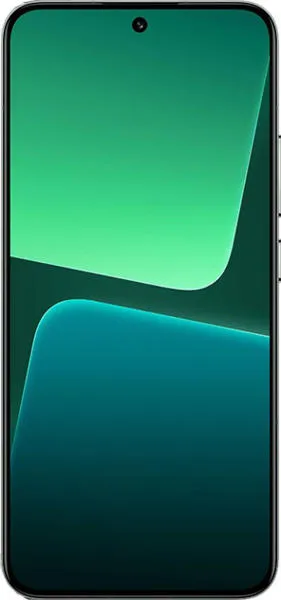
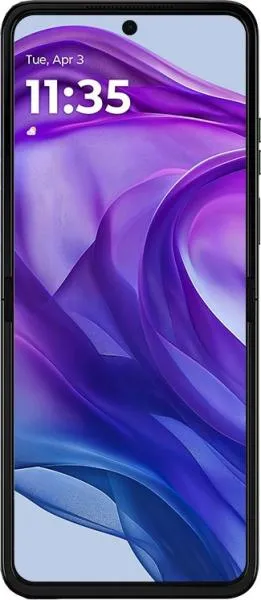
Xiaomi 13 vs. Motorola Razr 50 Ultra: A Tech Journalist's Deep Dive
The smartphone landscape is constantly evolving, and choosing the right device can feel overwhelming. Today, we'll dissect two compelling contenders: the Xiaomi 13 and the Motorola Razr 50 Ultra. By blending hard data with real-world insights, we'll empower you to make an informed decision.
1. Specifications Breakdown
| Feature | Xiaomi 13 | Motorola Razr 50 Ultra | Real-World Implications |
|---|---|---|---|
| Design | |||
| Dimensions (mm) | 152.8 x 71.5 x 8 | 171.4 x 74 x 7.1 | Razr 50 Ultra is taller and wider when unfolded, significantly more compact when folded. Xiaomi 13 offers a more traditional, pocketable form factor. |
| Weight (g) | 185 | 189 | Negligible weight difference in daily use. |
| Foldable | No | Yes | Razr 50 Ultra offers a unique, compact folded form, potentially sacrificing screen durability and usability when unfolded. |
| Display | |||
| Size (inches) | 6.36 | 6.9 | Razr 50 Ultra provides a larger screen area for media consumption and multitasking. |
| Resolution (px) | 1080 x 2400 | 1080 x 2640 | Both offer sharp displays; Razr 50 Ultra is slightly taller. |
| Refresh Rate (Hz) | 120 | 165 | Razr 50 Ultra's higher refresh rate results in smoother scrolling and animations, particularly noticeable in gaming and fast-paced content. |
| Peak Brightness | 1900 nits | 3000 nits | Razr 50 Ultra offers significantly better outdoor visibility. |
| Performance | |||
| Chipset | Snapdragon 8 Gen 2 | Snapdragon 8+ Gen 1 | Xiaomi 13 boasts a more powerful and efficient processor, leading to better overall performance, especially in demanding tasks and gaming. |
| RAM (GB) | 8/12 | 12 | Razr 50 Ultra offers more RAM, potentially improving multitasking performance. |
| Camera | |||
| Main Camera (MP) | 50 | 50 | Comparable main camera resolution; real-world performance depends on sensor quality, image processing, and lens optics. Further analysis needed. |
| Battery Life | |||
| Capacity (mAh) | 4500 | 4000 | Xiaomi 13 has a larger battery capacity, suggesting potentially longer battery life. Real-world usage varies depending on individual habits. |
2. Key Insights
- Performance: The Xiaomi 13's Snapdragon 8 Gen 2 significantly outperforms the Razr 50 Ultra's Snapdragon 8+ Gen 1. This translates to faster app loading, smoother gaming, and better overall responsiveness.
- Form Factor: The Razr 50 Ultra's foldable design is its defining feature. While offering unmatched portability when folded, it introduces potential durability concerns and a crease in the display. The Xiaomi 13 represents a more traditional, robust slab design.
- Display: Both phones have excellent displays. However, the Razr 50 Ultra's higher refresh rate and significantly brighter screen give it an edge in responsiveness and outdoor visibility.
3. User Profiles and Recommendations
- Xiaomi 13: Ideal for users prioritizing performance, battery life, and a robust, traditional smartphone experience. Power users, gamers, and those who value a reliable, no-frills device will appreciate the Xiaomi 13.
- Motorola Razr 50 Ultra: Best suited for users who value portability and a unique form factor above all else. The foldable design is a conversation starter and offers unparalleled compactness. Those constantly on the move and prioritizing style might find the Razr 50 Ultra appealing.
4. Buying Decision Framework
- Is portability your top priority? If absolute compactness is paramount, the Razr 50 Ultra is the clear winner.
- Do you demand top-tier performance? For demanding tasks and gaming, the Xiaomi 13's superior processor is crucial.
- What's your budget? Considering the price difference, the Xiaomi 13 offers significantly better performance for the money.
My Choice: The Xiaomi 13
While the Razr 50 Ultra's foldable design is intriguing, I prioritize raw performance and reliability. The Xiaomi 13's Snapdragon 8 Gen 2, larger battery, and robust design make it a more practical and powerful daily driver for my needs. As a tech journalist who frequently uses demanding applications and values a long-lasting battery, the Xiaomi 13 aligns better with my usage patterns. The price-to-performance ratio further solidifies its position as the more compelling choice for me. The foldable technology, while cool, isn't mature enough yet to sacrifice the significant performance gains and robustness of the Xiaomi 13.
