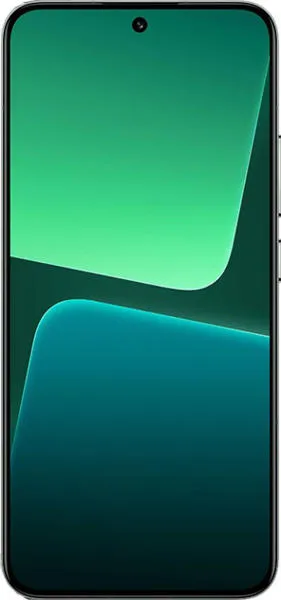
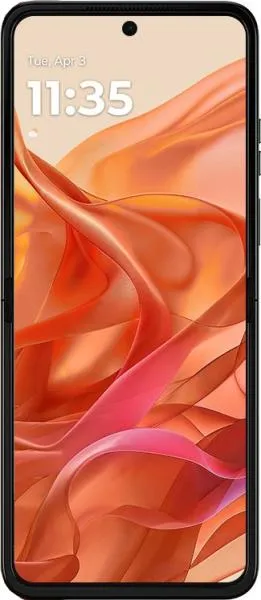
Xiaomi 13 vs. Motorola Razr 50: A Deep Dive for the Discerning Smartphone User
The smartphone landscape is ever-evolving, with new contenders constantly vying for our attention. Today, we'll dissect two compelling devices: the Xiaomi 13 and the Motorola Razr 50. Beyond the spec sheet, we'll explore how these phones perform in the real world and which device best suits your needs.
1. Specifications Breakdown
| Feature | Xiaomi 13 | Motorola Razr 50 | Real-World Implications |
|---|---|---|---|
| Design | |||
| Dimensions (mm) | 152.8 x 71.5 x 8 | 171.3 x 74 x 7.3 | Razr 50 is taller and wider when unfolded, significantly smaller when folded. Xiaomi 13 is thinner and potentially more pocketable when unfolded. |
| Weight (g) | 185 | 188.4 | Negligible weight difference in practical use. |
| Foldable | No | Yes | Razr 50 offers compact portability when folded; Xiaomi 13 provides a traditional smartphone experience. |
| Display | |||
| Size (inches) | 6.36 | 6.9 | Razr 50 boasts a larger screen for immersive content consumption. |
| Resolution | 1080 x 2400 | 1080 x 2640 | Similar pixel density (~414 ppi) results in sharp visuals on both. Razr 50 is slightly taller. |
| Panel Type | AMOLED, 120Hz | Foldable LTPO AMOLED, 120Hz | Both offer vibrant colors and smooth scrolling. Razr 50's foldable screen introduces a crease but allows for unique interactions. |
| Peak Brightness (nits) | 1900 | 3000 | Razr 50 is significantly brighter, ensuring better outdoor visibility. |
| Performance | |||
| Chipset | Snapdragon 8 Gen 2 | Dimensity 7300X | Xiaomi 13 packs a flagship processor, translating to significantly faster performance and superior gaming capabilities. |
| CPU | Octa-core (up to 3.2 GHz) | Octa-core (up to 2.5 GHz) | Xiaomi 13's higher clock speeds and more powerful core architecture will handle demanding tasks with greater ease. |
| GPU | Adreno 740 | Mali-G615 MC2 | Xiaomi 13 offers considerably better graphics performance for gaming and visually intensive applications. |
| RAM | 8GB/12GB | 8GB/12GB | Both offer ample RAM for multitasking; real-world performance will depend more on the chipset and software optimization. |
| Camera | |||
| Main Camera | 50MP (Sony IMX800) | 50MP | Both have high-resolution main sensors. Image quality will depend on factors beyond resolution, such as sensor size and processing. Xiaomi 13 utilizes a known high-quality sensor. |
| Video Capabilities | Up to 8K@24fps | Up to 4K@30fps | Xiaomi 13 offers superior video recording capabilities, including higher resolution and frame rates. |
| Battery Life | |||
| Capacity | 4500 mAh | 4200 mAh | Xiaomi 13's larger battery coupled with a potentially more power-efficient chipset suggests longer battery life. Real-world usage will vary. |
2. Key Insights
Xiaomi 13: This phone prioritizes raw performance and a premium, traditional smartphone experience. Its flagship Snapdragon processor ensures blazing-fast speeds, while the high-quality display and camera system cater to demanding users.
Motorola Razr 50: The Razr 50 champions innovation with its foldable design, offering a unique blend of portability and a large screen. It sacrifices some performance for its form factor, but the incredibly bright display and capable camera system still deliver a satisfying user experience.
3. User Profiles and Recommendations
Xiaomi 13: Ideal for power users, gamers, and those who prioritize performance and a seamless, traditional smartphone experience.
Motorola Razr 50: Best suited for trendsetters, those who value portability and a large screen, and users who prioritize a unique, eye-catching design over top-tier performance. The lower price point makes it an attractive option for the budget-conscious buyer seeking a foldable experience.
4. Buying Decision Framework
- What is your priority: Performance or Portability? If performance and a refined, traditional smartphone experience are paramount, the Xiaomi 13 is the clear winner. If pocketability and a unique form factor are more important, the Razr 50 is the better choice.
- What is your budget? The Razr 50 falls into the mid-range price bracket, making it more accessible than the high-priced Xiaomi 13. Consider if the premium price for the Xiaomi 13's superior performance is justified for your needs.
- How important is camera quality and video recording? The Xiaomi 13 holds a clear edge in camera versatility and video recording capabilities. If you frequently capture photos and videos, especially in high resolution or slow motion, the Xiaomi 13 is the superior option.
My Choice: As a tech journalist with a strong engineering background, I would choose the Xiaomi 13. While the Razr 50's foldable design is intriguing, the Xiaomi 13's superior performance, especially the Snapdragon 8 Gen 2 processor and advanced camera system, aligns better with my needs. I prioritize a smooth, lag-free experience for multitasking, content creation, and occasional gaming, which the Xiaomi 13 delivers in spades. The longer battery life and brighter screen of the Xiaomi 13 (although the Razr 50 is significantly brighter) further solidify my decision. Although I appreciate the novelty of the Razr 50, the performance gap is significant enough to sway my decision towards the Xiaomi 13. The improved camera system and known high-quality sensor of the Xiaomi 13 is a significant factor in my decision as well.
