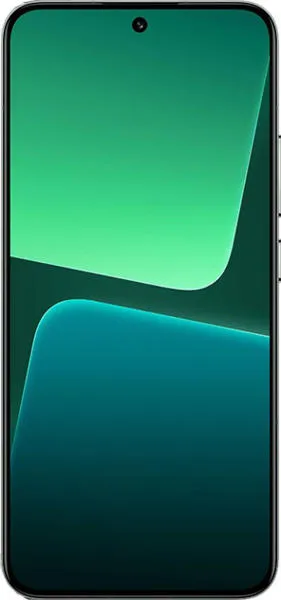
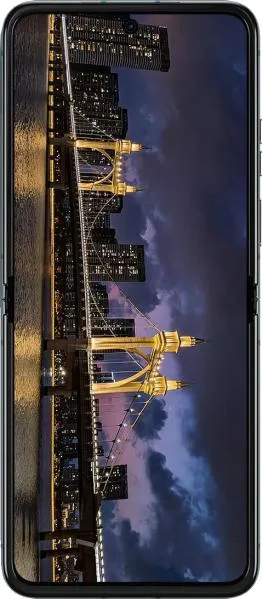
Xiaomi 13 vs. Motorola Razr 40 Ultra: A Deep Dive for the Discerning User
The smartphone landscape is constantly evolving, with new contenders vying for your attention. Today, we pit the Xiaomi 13 against the Motorola Razr 40 Ultra, two devices that cater to different needs and preferences. Let's dissect their specifications and uncover what truly sets them apart.
1. Specifications Breakdown
| Feature | Xiaomi 13 | Motorola Razr 40 Ultra | Real-World Implications |
|---|---|---|---|
| Design | |||
| Dimensions (mm) | 152.8 x 71.5 x 8 | 170.8 x 74 x 7 (Unfolded) | Razr 40 Ultra significantly more compact when folded, pocketable; Xiaomi 13 more traditional "slab" design. |
| Weight (g) | 185 | 184.5 | Negligible weight difference. |
| Foldable | No | Yes | Razr's foldable design offers a unique form factor and larger screen real estate in a compact package. |
| Display | |||
| Display Size (inches) | 6.36 | 6.9 | Razr boasts a larger main display for immersive content consumption. |
| Resolution (px) | 1080 x 2400 | 1080 x 2640 | Both offer sharp visuals; Razr slightly taller aspect ratio. |
| Refresh Rate (Hz) | 120 | 165 | Razr's higher refresh rate delivers smoother animations and scrolling. Xiaomi 13's 120Hz is still excellent. |
| Display Type | AMOLED | Foldable LTPO AMOLED | Razr uses a cutting-edge foldable display technology; both offer vibrant colors and deep blacks. |
| Peak Brightness (nits) | 1900 | 1400 | Xiaomi 13 significantly brighter for better outdoor visibility. |
| Performance | |||
| Chipset | Snapdragon 8 Gen 2 | Snapdragon 8+ Gen 1 | Xiaomi 13 features a newer, more powerful processor, translating to faster app loading, smoother multitasking, and better gaming performance. |
| CPU | Octa-core (3.2 GHz X3...) | Octa-core (3.19 GHz X2...) | Both offer powerful multi-core performance, but the Gen 2 in the Xiaomi 13 has architectural advantages and a higher clock speed on the primary core. |
| GPU | Adreno 740 | Adreno 730 | Xiaomi 13's GPU delivers superior graphics processing for demanding games and applications. |
| RAM (GB) | 8/12 | 8/12 | Both offer ample RAM for smooth multitasking. |
| Camera | |||
| Main Camera (MP) | 50 | 12 | Xiaomi 13 has a higher resolution main sensor, potentially capturing more detail. However, megapixels aren't everything; image processing plays a crucial role. |
| Additional Cameras | Wide, Telephoto | Wide, Macro | Both have versatile camera setups, but Xiaomi 13's telephoto lens offers optical zoom for better distant shots. |
| Battery Life | |||
| Battery Capacity (mAh) | 4500 | 3800 | Xiaomi 13 has a significantly larger battery capacity, potentially offering longer usage time. Razr's smaller battery is likely due to space constraints from the folding mechanism. |
2. Key Insights
Xiaomi 13: This phone prioritizes raw performance, a vibrant display, and a larger battery. Its Snapdragon 8 Gen 2 chip provides a noticeable edge in speed and efficiency. The camera system, while not as high-resolution as some competitors, benefits from Leica's expertise in optics and image processing.
Motorola Razr 40 Ultra: This device stands out with its innovative foldable design and external display. While its chipset is a generation behind, it still delivers flagship-level performance. The compact form factor and unique user experience are its main selling points. The external display allows for significant functionality without opening the phone.
3. User Profiles and Recommendations
Xiaomi 13: Ideal for power users, gamers, and those who prioritize performance and battery life. Photography enthusiasts will appreciate the Leica-tuned camera system.
Motorola Razr 40 Ultra: Perfect for trendsetters, those seeking a compact device, and users who value a unique mobile experience. The large external display allows for quick interactions and unique use cases.
4. Buying Decision Framework
Questions to Consider:
- Is a foldable design a priority? If yes, the Razr 40 Ultra is the clear choice.
- How important is raw performance and battery life? The Xiaomi 13 excels in these areas.
- What is your budget? The Razr 40 Ultra generally comes at a more competitive price point.
My Choice: The Xiaomi 13
While the Razr 40 Ultra's foldable design is undeniably cool, I prioritize performance and battery life. The Xiaomi 13's Snapdragon 8 Gen 2, coupled with its larger battery, offers a compelling combination for my needs. As a tech journalist who frequently multitasks and uses demanding applications, I value the seamless speed and extended usage time. The superior camera system, benefiting from Leica's expertise, is another significant factor. While I appreciate the Razr's innovation, the Xiaomi 13 better aligns with my daily workflow and usage patterns. Ultimately, I prefer a more traditional form factor with top-tier specifications.
