Xiaomi 13 vs. Motorola Razr 40: A Detailed Comparison
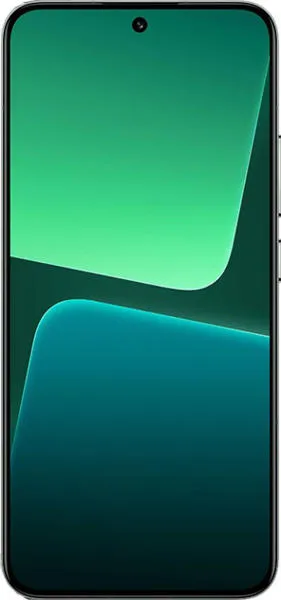
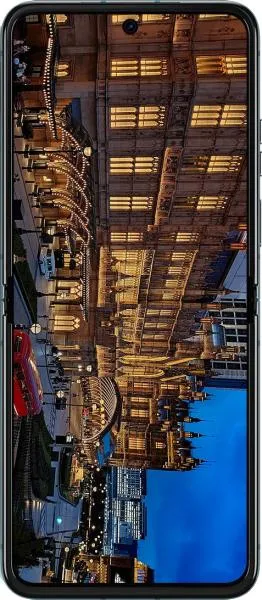
The smartphone landscape is constantly evolving, offering a diverse range of devices to cater to every need and preference. Today, we'll dissect two distinct contenders: the Xiaomi 13, a flagship powerhouse, and the Motorola Razr 40, a stylish foldable. This in-depth analysis will equip you with the knowledge to decide which phone best fits your lifestyle.
1. Specifications Breakdown
| Feature | Xiaomi 13 | Motorola Razr 40 | Real-World Implications |
|---|---|---|---|
| Design | |||
| Dimensions (mm) | 152.8 x 71.5 x 8 | 170.8 x 74 x 7.4 (Unfolded) | Razr 40 is significantly taller unfolded, but more compact when folded. Xiaomi 13 offers a more traditional, pocketable form factor. |
| Weight (g) | 185 | 188.6 | Negligible weight difference in practical use. |
| Foldable | No | Yes | Razr 40's foldable design offers a unique compact form when closed but a larger screen when open. |
| Display | |||
| Display Size (inches) | 6.36 | 6.9 | Razr 40 boasts a larger screen for immersive content consumption when unfolded. |
| Resolution (px) | 1080 x 2400 | 1080 x 2640 | Both offer sharp visuals, but the Razr 40 is slightly taller. |
| Refresh Rate (Hz) | 120 | 144 | Razr 40's higher refresh rate results in smoother animations and scrolling. |
| Display Type | AMOLED | Foldable LTPO AMOLED | Razr 40's foldable AMOLED introduces a crease, a potential trade-off for portability. Xiaomi 13 utilizes a robust, traditional AMOLED. |
| Peak Brightness (nits) | 1900 | 1400 | Xiaomi 13's higher peak brightness ensures better visibility in direct sunlight. |
| Performance | |||
| Chipset | Snapdragon 8 Gen 2 | Snapdragon 7 Gen 1 | Xiaomi 13 significantly outperforms the Razr 40 in demanding tasks and gaming due to its flagship processor. |
| CPU | Octa-core (up to 3.2 GHz) | Octa-core (up to 2.4 GHz) | Xiaomi 13 offers significantly faster processing speeds, leading to quicker app loading and multitasking. |
| GPU | Adreno 740 | Adreno 644 | Xiaomi 13's superior GPU provides a substantial advantage in graphics-intensive applications and games. |
| RAM | 8GB/12GB | 8GB | While both offer ample RAM for everyday use, the Xiaomi 13's 12GB option provides headroom for future-proofing. |
| Camera | |||
| Main Camera (MP) | 50MP (Sony IMX800) | 64MP | While the Razr 40 boasts a higher resolution, the Xiaomi 13 leverages a larger sensor (Sony IMX800) potentially capturing more light and detail. Real-world image quality will depend on processing. |
| Video Recording | Up to 8K@24fps | Up to 4K@30fps | Xiaomi 13 supports higher resolution video recording. |
| Battery Life | |||
| Battery Capacity (mAh) | 4500 | 4200 | Xiaomi 13's larger battery likely translates to longer usage time. Real-world battery life depends on usage patterns and software optimization. |
2. Key Insights
- Performance: The Xiaomi 13, powered by the Snapdragon 8 Gen 2, is a clear winner in performance. It offers significantly faster processing, smoother graphics, and better multitasking capabilities. The Razr 40, with its Snapdragon 7 Gen 1, prioritizes efficiency over peak performance.
- Form Factor: The Razr 40's unique selling proposition is its foldable design, making it incredibly compact when closed. However, this comes with a crease on the main display and a smaller external screen. The Xiaomi 13 embraces a traditional slab design, offering a more robust and pocketable experience.
- Camera: While megapixel count favors the Razr 40, the Xiaomi 13 incorporates a larger, more renowned Sony IMX800 sensor in its main camera, promising superior low-light performance and dynamic range. Ultimately, image quality will depend on real-world testing and software processing.
- Price: The Razr 40 positions itself in the mid-range segment, while the Xiaomi 13 commands a flagship price. This difference reflects the disparity in performance and features.
3. User Profiles and Recommendations
- Xiaomi 13: Ideal for power users, gamers, and those who prioritize performance, a bright display, and a traditional smartphone experience. It excels in demanding tasks, content creation, and mobile gaming.
- Motorola Razr 40: Best suited for style-conscious users who value portability and a unique form factor above raw performance. The compact size and foldable design make it perfect for those who prioritize pocketability.
4. Buying Decision Framework
- What is your budget? The Xiaomi 13 is a premium device, while the Razr 40 offers a more accessible price point.
- Do you prioritize performance or portability? The Xiaomi 13 excels in performance, while the Razr 40 prioritizes portability with its foldable design.
- What is your typical smartphone usage? For demanding tasks and gaming, the Xiaomi 13 is superior. For casual use, social media, and communication, the Razr 40 is sufficient.
My Choice: Xiaomi 13
If I were choosing between these two devices, I'd opt for the Xiaomi 13. As a tech journalist with a strong engineering background, I value performance and a robust user experience. The Xiaomi 13's Snapdragon 8 Gen 2, coupled with its bright and vibrant AMOLED display, provides a significant advantage in everyday tasks and demanding applications. While I appreciate the innovative design of the Razr 40, the potential trade-offs of a crease, less powerful processor, and dimmer display outweigh the benefits of its foldable form factor for my personal needs. The Xiaomi 13 provides a more well-rounded and powerful experience that aligns with my priorities. Ultimately, the Xiaomi 13 offers better value in the long run due to its superior performance and feature set.
