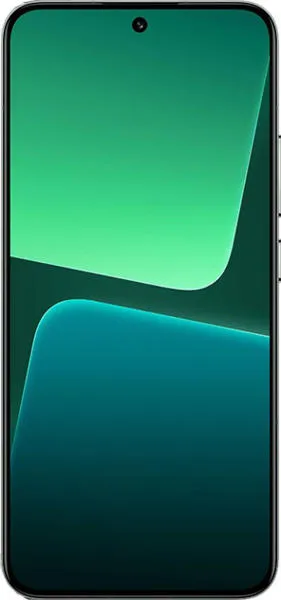
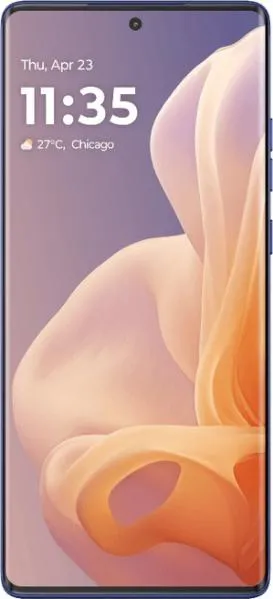
Xiaomi 13 vs. Motorola Moto G85: A Deep Dive
Let's dissect the Xiaomi 13 and Motorola Moto G85, two smartphones catering to different segments of the market. We'll go beyond the spec sheet to uncover what these devices offer in real-world usage.
1. Specifications Breakdown
| Feature | Xiaomi 13 | Motorola Moto G85 | Real-World Implications |
|---|---|---|---|
| Design | |||
| Dimensions (mm) | 152.8 x 71.5 x 8 | 161.9 x 73.1 x 7.6 | Xiaomi 13 is more compact and pocketable. Moto G85 is larger, potentially offering a better grip for some users. |
| Weight (g) | 185 | 171 | Xiaomi 13 feels slightly more premium due to its denser build. Moto G85 is lighter, contributing to less hand fatigue during extended use. |
| Display | |||
| Type | AMOLED, 120Hz, Dolby Vision, HDR10+ | pOLED, 120Hz | Both offer smooth scrolling and vibrant colors. Xiaomi 13's AMOLED with Dolby Vision and HDR10+ provides superior contrast and dynamic range. |
| Size | 6.36" | 6.67" | Moto G85 boasts a larger screen for more immersive media consumption. Xiaomi 13's smaller display might be preferred for one-handed usability. |
| Resolution | 1080 x 2400 | 1080 x 2400 | Both have sharp displays, but the smaller Xiaomi 13 screen results in a slightly higher pixel density (sharper image). |
| Performance | |||
| Chipset | Snapdragon 8 Gen 2 (4nm) | Snapdragon 6s Gen 3 (6 nm) | Xiaomi 13 delivers significantly faster processing power for demanding tasks, gaming, and multitasking. Moto G85 provides decent mid-range performance. |
| CPU | Octa-core (up to 3.2 GHz) | Octa-core (up to 2.3 GHz) | Xiaomi 13's superior CPU architecture and clock speed translates to noticeably quicker app launches, smoother animations, and better responsiveness. |
| GPU | Adreno 740 | Adreno 619 | Xiaomi 13 provides a substantial advantage in graphics performance, ideal for high-end gaming and graphically intensive applications. |
| RAM | 8GB/12GB | 12GB | While Moto G85 has more RAM in this comparison, Xiaomi 13's faster processor and optimized software likely result in more efficient memory management. |
| Camera | |||
| Main Camera | 50MP, Sony IMX800 | 50MP Sony LYT-600 | Both offer high-resolution main cameras. Real-world image quality will depend on factors like image processing and lens quality, which require further testing. |
| Video | Up to 8K@24fps | Up to 1080p@60fps | Xiaomi 13 offers superior video recording capabilities with higher resolution and frame rate options. |
| Battery Life | |||
| Capacity | 4500 mAh | 5000 mAh | Moto G85 boasts a larger battery capacity, suggesting longer usage time. However, actual battery life depends on usage patterns and software optimization. |
| Price | High | Medium | Xiaomi 13 is significantly more expensive, reflecting its flagship-level specifications. Moto G85 offers a more budget-friendly option. |
2. Key Insights
- Performance: The Xiaomi 13 is a clear winner in performance, thanks to its flagship Snapdragon 8 Gen 2 processor. This translates to a smoother, more responsive user experience, especially in demanding tasks and gaming. The Moto G85 offers respectable mid-range performance for everyday use, but it won't match the Xiaomi 13's speed or graphical prowess.
- Display: Both phones offer 120Hz refresh rate displays for fluid scrolling. However, the Xiaomi 13's AMOLED panel with Dolby Vision and HDR10+ delivers richer colors, deeper blacks, and a more immersive visual experience.
- Camera: While both have 50MP main cameras, the Xiaomi 13 boasts more versatile camera features, including a telephoto lens and superior video recording capabilities. More in-depth analysis of image quality is needed based on real-world samples.
- Battery: The Moto G85's larger 5000mAh battery suggests longer battery life, but real-world performance will depend on optimization. The Xiaomi 13, with its powerful processor, might consume more power under heavy load.
3. User Profiles and Recommendations
- Xiaomi 13: Ideal for power users, gamers, and those seeking a premium smartphone experience with top-tier performance, a stunning display, and advanced camera features.
- Moto G85: Suitable for budget-conscious users who prioritize long battery life, a large display, and reliable everyday performance without breaking the bank. Good for casual users who prioritize value.
4. Buying Decision Framework
- What is your budget? If price is a major concern, the Moto G85 offers excellent value. If you're willing to invest in a premium experience, the Xiaomi 13 is the clear choice.
- What are your performance needs? For demanding tasks and gaming, the Xiaomi 13's superior processing power is essential. For everyday use, the Moto G85 provides adequate performance.
- How important is camera quality? The Xiaomi 13 offers more versatile camera features and higher-resolution video recording. If photography and videography are priorities, the Xiaomi 13 has the edge.
My Choice: I would choose the Xiaomi 13. While the Moto G85 offers great value, I prioritize performance and a premium user experience. The Xiaomi 13's Snapdragon 8 Gen 2, stunning AMOLED display, and advanced camera features align perfectly with my needs. I am willing to pay the premium for the significantly improved performance, display quality, and versatile camera system. The more compact form factor also appeals to me.
