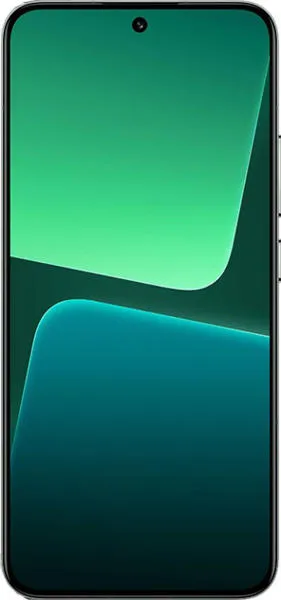
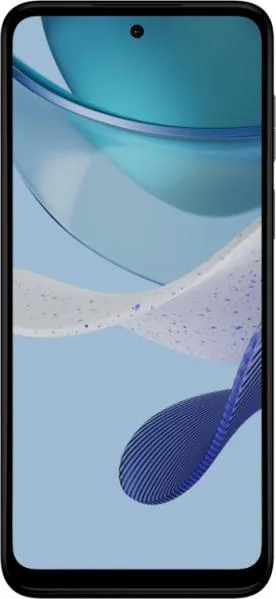
Xiaomi 13 vs. Motorola Moto G (2023): A Detailed Comparison
Let's dive deep into the specs of the Xiaomi 13 and the Motorola Moto G (2023) to see how they stack up in the real world.
1. Specifications Breakdown
| Feature | Xiaomi 13 | Motorola Moto G (2023) | Real-World Implications |
|---|---|---|---|
| Design | |||
| Dimensions (mm) | 152.8 x 71.5 x 8 | 164 x 75 x 8.4 | Xiaomi 13 is more compact and pocketable. |
| Weight (g) | 185 | 189 | Negligible weight difference. |
| Build Materials | Aluminum frame, Gorilla Glass Victus | Plastic frame, Gorilla Glass 3 | Xiaomi 13 offers a more premium feel and potentially better durability. |
| Display | |||
| Type | AMOLED, 120Hz, Dolby Vision, HDR10+ | IPS LCD, 120Hz | Xiaomi 13 boasts superior contrast, deeper blacks, and richer colors. HDR support enhances video and gaming experience. |
| Size | 6.36" | 6.5" | Moto G has a slightly larger screen, but the Xiaomi 13's superior quality makes up for the minor size difference. |
| Resolution | 1080 x 2400 pixels | 720 x 1600 pixels | Xiaomi 13 offers significantly sharper visuals. |
| PPI | 414 | 270 | Noticeably sharper text and images on the Xiaomi 13. |
| Performance | |||
| Chipset | Snapdragon 8 Gen 2 | Snapdragon 480+ 5G | Xiaomi 13 provides significantly faster processing power for demanding tasks and gaming. |
| CPU | Octa-core (3.2 GHz Cortex-X3...) | Octa-core (2.2 GHz Kryo 460...) | Xiaomi 13 offers much better multi-core performance for smoother multitasking and intensive applications. |
| RAM | 8GB/12GB | 4GB | Xiaomi 13 offers more RAM for seamless multitasking and app switching. |
| Storage | 128GB/256GB/512GB | 128GB | Xiaomi 13 offers more storage options for power users. |
| Camera | |||
| Rear Camera | 50MP (wide) + 13MP (ultrawide) + 10MP (telephoto) | 50MP (wide) + 2MP (macro) | Xiaomi 13 offers a more versatile camera system with a dedicated telephoto lens and superior image quality. |
| Front Camera | 32MP | 16MP | Xiaomi 13's front camera offers higher resolution for sharper selfies. |
| Video | 8K@24fps, 4K@60fps | 1080p@30fps | Xiaomi 13 provides significantly better video recording capabilities. |
| Battery Life | |||
| Capacity | 4500 mAh | 5000 mAh | Moto G has a larger battery capacity, potentially offering longer battery life despite its less efficient processor. |
| Charging | 67W wired, 50W wireless | 15W wired | Xiaomi 13 offers dramatically faster charging speeds. |
2. Key Insights
- Performance: The Xiaomi 13 is a clear winner in terms of performance, thanks to its flagship Snapdragon 8 Gen 2 processor. This translates to a smoother user experience, faster app loading times, and superior gaming capabilities. The Moto G (2023), with its Snapdragon 480+, is aimed at more basic usage.
- Display: The Xiaomi 13's AMOLED display with HDR support provides a vastly superior visual experience compared to the Moto G's LCD. The higher resolution and pixel density also contribute to sharper text and images.
- Camera: While both phones feature a 50MP main camera, the Xiaomi 13 offers a more versatile triple-camera system with a telephoto lens for optical zoom and a higher-resolution ultrawide lens. It also boasts significantly better video recording capabilities.
- Battery and Charging: The Moto G (2023) has a larger battery, but the Xiaomi 13's incredibly fast 67W wired and 50W wireless charging significantly shorten charging times.
3. User Profiles and Recommendations
- Xiaomi 13: This phone is ideal for users who demand top-tier performance, a premium display, a versatile camera system, and fast charging. Power users, gamers, and photography enthusiasts will appreciate its capabilities.
- Motorola Moto G (2023): This phone is suitable for budget-conscious users who prioritize basic functionality and long battery life. It's a good option for those who primarily use their phones for calling, texting, social media browsing, and light web browsing.
4. Buying Decision Framework
- What is your budget? The Xiaomi 13 is a significantly more expensive device.
- What are your performance needs? If you require a powerful phone for demanding tasks and gaming, the Xiaomi 13 is the better choice. If you need a reliable phone for general use, the Moto G (2023) offers good value for its price.
- How important is camera quality? The Xiaomi 13 provides a significantly better camera experience, especially in terms of versatility and video recording.
My Choice: I would choose the Xiaomi 13. While it comes at a higher price, the significant performance gains, the stunning display, the versatile camera system, and blazing-fast charging are crucial for my workflow and daily usage. I often use my phone for demanding tasks, photography, and gaming, making the Xiaomi 13's premium features well worth the investment. The Moto G (2023) is a solid budget option, but it doesn't align with my personal needs and preferences. The difference in overall experience between a flagship processor and a budget processor is immense, and I value the responsiveness and future-proofing offered by the Xiaomi 13.
