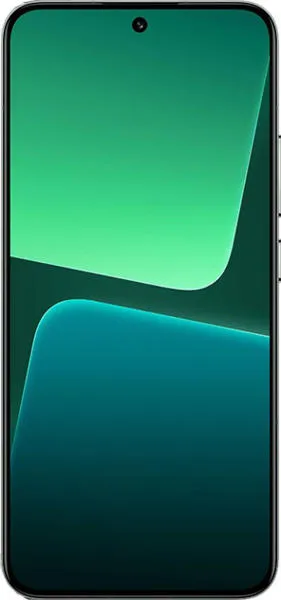
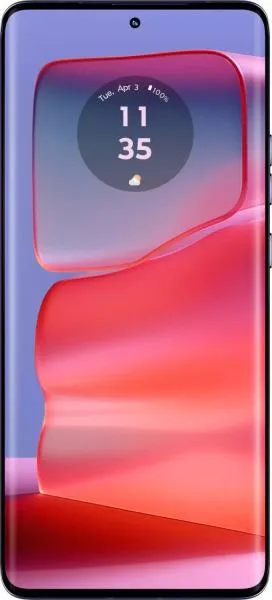
Xiaomi 13 vs. Motorola Edge 50 Pro: A Deep Dive
Let's dissect the Xiaomi 13 and the Motorola Edge 50 Pro, two compelling smartphones vying for your attention. We'll go beyond the spec sheet, translating technical jargon into real-world implications for your daily life.
1. Specifications Breakdown
| Feature | Xiaomi 13 | Motorola Edge 50 Pro | Real-World Implications |
|---|---|---|---|
| Design | |||
| Dimensions (mm) | 152.8 x 71.5 x 8 | 161.2 x 74.2 x 8.2 | Xiaomi 13 is noticeably more compact, offering better one-handed usability. |
| Weight (g) | 185 | 186 | Negligible weight difference; both feel substantial in hand. |
| Display | |||
| Type | AMOLED, 120Hz | p-OLED, 144Hz | Both offer vibrant colors and smooth scrolling; Motorola boasts a slightly higher refresh rate and potentially better outdoor visibility. |
| Size (inches) | 6.36 | 6.7 | Motorola offers a larger screen for more immersive media consumption. |
| Resolution | 1080 x 2400 | 1220 x 2712 | Both are sharp; Motorola edges out in pixel density. |
| Peak Brightness | 1900 nits | 2000 nits | Motorola might be slightly brighter outdoors |
| Performance | |||
| Chipset | Snapdragon 8 Gen 2 | Snapdragon 7+ Gen 2 | Xiaomi significantly outperforms in demanding tasks and gaming due to its flagship processor. |
| CPU | Octa-core (up to 3.2 GHz) | Octa-core (up to 2.91 GHz) | Xiaomi offers faster processing speeds for smoother multitasking and app loading. |
| RAM | 8/12GB | 12GB | Both offer ample RAM for smooth performance; Xiaomi offers an 8GB variant for budget-conscious users. |
| Camera | |||
| Main Sensor | 50MP, Sony IMX800 | 50MP | Both have high-resolution main sensors; real-world image quality depends on processing. |
| Telephoto | 10MP Samsung S5K3K1 | 12MP | Motorola has a higher resolution telephoto sensor, which could mean slightly better zoom performance |
| Battery Life | |||
| Capacity | 4500 mAh | 5000 mAh | Motorola has a larger battery, potentially translating to longer usage time. |
2. Key Insights
- Performance: The Xiaomi 13, powered by the Snapdragon 8 Gen 2, is a performance powerhouse. The Motorola Edge 50 Pro, with its Snapdragon 7 Gen 2, offers excellent performance for everyday tasks, but it won't match the Xiaomi's raw power for gaming or demanding applications.
- Display: Both phones boast fantastic displays. The Motorola's slightly larger size and higher refresh rate cater to media enthusiasts, while the Xiaomi's compact form factor enhances one-handed use.
- Camera: Both phones feature impressive camera setups. Real-world image quality will depend heavily on software processing, but both should deliver excellent results in various conditions. Xiaomi boasts the Leica collaboration for potential advantages in color tuning and image processing.
3. User Profiles and Recommendations
- Xiaomi 13: Ideal for power users, gamers, and those who prioritize a compact, premium device with top-tier performance.
- Motorola Edge 50 Pro: A great choice for users who value a large, vibrant display, long battery life, and excellent all-around performance for everyday tasks, at a more competitive price point.
4. Buying Decision Framework
- What is your budget? The Xiaomi 13 falls into a higher price bracket. If budget is a constraint, the Motorola Edge 50 Pro offers exceptional value.
- What are your performance needs? For demanding tasks and gaming, the Xiaomi 13's superior processor is a clear winner.
- Do you prioritize a compact design or a large screen? The Xiaomi 13 excels in one-hand usability, while the Motorola offers a more immersive viewing experience.
My Choice: As Alex Griffin, I would choose the Xiaomi 13. While the Motorola Edge 50 Pro is a compelling device with a great price-to-performance ratio, I prioritize the sheer power and efficiency of the Snapdragon 8 Gen 2. The compact form factor also appeals to my preference for one-handed usability. The Xiaomi 13's overall premium feel and potentially superior camera experience (thanks to the Leica collaboration) solidify my decision. I'm willing to invest in the higher price for the significant performance gains and the refined user experience that the Xiaomi 13 delivers. However, if budget were a tighter constraint, the Motorola Edge 50 Pro would be a very strong contender.
