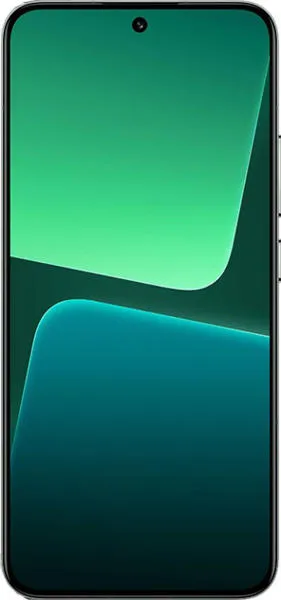
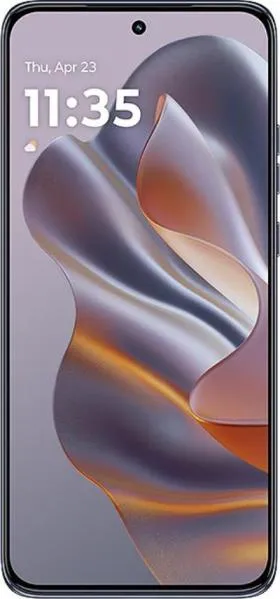
Xiaomi 13 vs. Motorola Edge 50 Neo: A Deep Dive for the Discerning Smartphone User
Hello, fellow tech explorers! Today, we're dissecting two intriguing contenders in the smartphone arena: the Xiaomi 13 and the Motorola Edge 50 Neo. Let's go beyond the marketing hype and delve into the engineering guts of these devices, translating their specs into real-world experiences.
1. Specifications Breakdown
| Feature | Xiaomi 13 | Motorola Edge 50 Neo | Real-World Implications |
|---|---|---|---|
| Design | |||
| Dimensions (mm) | 152.8 x 71.5 x 8 | 154.1 x 71.2 x 8.1 | Xiaomi 13 is slightly more compact |
| Weight (g) | 185 | 171 | Edge 50 Neo feels lighter in hand |
| Display | |||
| Type | AMOLED | LTPO P-OLED | Both offer vibrant colors, but LTPO allows for dynamic refresh rate, saving battery |
| Size (inches) | 6.36 | 6.4 | Negligible size difference |
| Resolution | 1080 x 2400 | 1256 x 2760 | Edge 50 Neo has a sharper display |
| Refresh Rate (Hz) | 120 | 120 | Both offer smooth scrolling and gaming |
| Peak Brightness (nits) | 1900 | 3000 | Edge 50 Neo excels in bright sunlight readability |
| Performance | |||
| Chipset | Snapdragon 8 Gen 2 | Dimensity 7300 | Xiaomi 13 boasts significantly more powerful CPU and GPU for demanding tasks and gaming |
| CPU | Octa-core (Cortex-X3, A715, A710, A510) | Octa-core (Cortex-A78, A55) | Xiaomi 13 offers superior multi-core performance |
| RAM (GB) | 8/12 | 12 | Both offer ample RAM for multitasking; Edge 50 Neo offers more in this comparison |
| Camera | |||
| Main Camera (MP) | 50 (54 with pixel binning) | 50 | Comparable main camera resolution |
| Telephoto (MP) | 10 | 10 | Similar telephoto capabilities |
| Ultrawide (MP) | 13 | 13 | Comparable ultrawide capabilities |
| DXOMARK Score | 130 | 115 | Xiaomi 13 is rated higher for overall camera quality |
| Battery Life | |||
| Capacity (mAh) | 4500 | 4310 | Slightly larger battery in the Xiaomi 13 |
| OS | Android 13 | Android 14 | Edge 50 Neo launches with the latest Android version |
2. Key Insights
The Xiaomi 13 is the clear performance champion, thanks to the Snapdragon 8 Gen 2. This translates to blazing-fast speeds, seamless multitasking, and effortless handling of demanding games. While the Edge 50 Neo's Dimensity 7300 isn't a slouch, it's not in the same league.
The Motorola Edge 50 Neo shines with its brilliant LTPO P-OLED display, offering deeper blacks, richer colors, and incredible outdoor visibility. The dynamic refresh rate intelligently adjusts to conserve battery, a feature the Xiaomi 13 lacks. The Edge 50 Neo also boasts a sharper display.
In the camera department, both phones offer comparable hardware, but the Xiaomi 13 edges out (pun intended!) with a higher DXOMARK score, suggesting superior image quality and processing. Notably, the Xiaomi 13 also boasts 8K video recording.
Battery life should be comparable, though the Xiaomi 13 has a slight edge in capacity. However, the Edge 50 Neo's LTPO display could potentially offset this difference with its power-saving capabilities.
3. User Profiles and Recommendations
Xiaomi 13: Ideal for power users, gamers, and anyone who prioritizes raw performance and a top-tier camera experience. It's a flagship-level device that doesn't compromise on speed or features.
Motorola Edge 50 Neo: Best suited for users who value a stunning display, long battery life, and a smooth user experience. Content consumers, social media enthusiasts, and those seeking a more affordable option will find this appealing.
4. Buying Decision Framework
Questions to Ask Yourself:
- Is top-tier performance essential? If yes, the Xiaomi 13 is your winner.
- Is battery life a top priority? While both are solid, the Edge 50 Neo's LTPO display gives it a potential advantage.
- What's your budget? The Edge 50 Neo is significantly more affordable, making it a strong value proposition.
Scenario-Based Recommendations:
- Heavy gamer: Xiaomi 13 for the superior processing power.
- Social media butterfly: Edge 50 Neo for the beautiful display and potential for longer battery life.
- Budget-conscious buyer: Edge 50 Neo offers excellent value for its price.
My Choice: The Xiaomi 13
While the Motorola Edge 50 Neo presents a compelling case with its display and price, I'd choose the Xiaomi 13. As a tech enthusiast who frequently pushes devices to their limits, the raw power and superior camera capabilities of the Snapdragon 8 Gen 2 are irresistible. The compact form factor also appeals to me. I'm willing to pay a premium for the significant performance jump and overall flagship experience. However, if budget were a primary concern, the Edge 50 Neo would be an excellent alternative.
