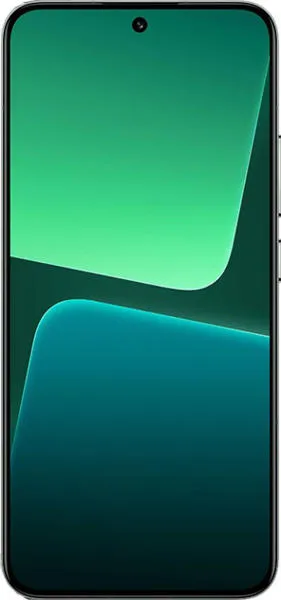
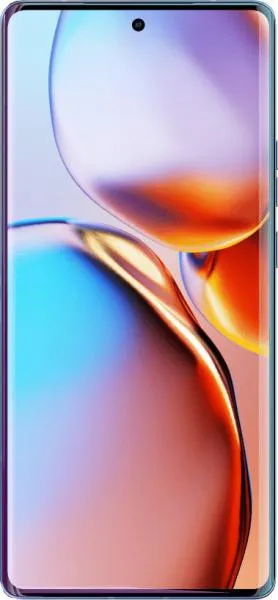
Xiaomi 13 vs. Motorola Edge 40 Pro: A Deep Dive for the Discerning User
Hello, fellow tech explorers! Today, we're dissecting two titans of the Android world: the Xiaomi 13 and the Motorola Edge 40 Pro. Both boast impressive specs, but let's cut through the marketing jargon and uncover what truly matters for your daily digital life.
1. Specifications Breakdown
| Feature | Xiaomi 13 | Motorola Edge 40 Pro | Real-World Implications |
|---|---|---|---|
| Design | |||
| Dimensions (mm) | 152.8 x 71.5 x 8 | 161.2 x 74 x 8.6 | Edge 40 Pro is taller and slightly wider, impacting one-handed usability. Xiaomi 13 is noticeably thinner. |
| Weight (g) | 185 | 199 | Xiaomi 13 feels lighter in hand, reducing fatigue during extended use. |
| Display | |||
| Size (inches) | 6.36 | 6.67 | Edge 40 Pro offers a larger screen for more immersive content consumption. |
| Resolution (px) | 1080 x 2400 | 1080 x 2400 | Both have sharp FHD+ displays; the difference in pixel density is negligible in real-world usage. |
| Refresh Rate (Hz) | 120 | 165 | Edge 40 Pro's higher refresh rate results in noticeably smoother animations and scrolling, especially beneficial for gaming and fast-paced content. |
| Display Type | AMOLED, 120Hz, Dolby Vision | OLED, 165Hz, Dolby Vision | Both offer vibrant colors and deep blacks. Edge 40 Pro's 10-bit color depth (1B colors) might offer slightly richer color reproduction. |
| Peak Brightness | 1900 nits | 1300 nits | Xiaomi 13 achieves significantly higher peak brightness, ensuring better visibility in direct sunlight. |
| Performance | |||
| Chipset | Snapdragon 8 Gen 2 | Snapdragon 8 Gen 2 | Identical chipsets offer top-tier performance in both devices. |
| RAM (GB) | 8/12 | 12 | Both offer ample RAM for smooth multitasking. |
| Camera | |||
| Main Camera (MP) | 50 (IMX800) | 50 (OV50A) | Both utilize high-quality sensors. Real-world image quality will depend on processing and software tuning, not just megapixel count. |
| Ultrawide (MP) | 13 | 50 | Edge 40 Pro's 50MP ultrawide offers significantly higher resolution and potentially better detail. |
| Telephoto (MP) | 10 | 12 | Similar telephoto capabilities; slight advantage to Edge 40 Pro with a brighter aperture. |
| Battery Life | |||
| Capacity (mAh) | 4500 | 4600 | Edge 40 Pro has a slightly larger battery, potentially translating to longer usage time. Real-world battery life depends on optimization and usage. |
2. Key Insights
- Performance Parity: Both phones deliver flagship performance thanks to the Snapdragon 8 Gen 2. Real-world differences will be minimal.
- Display Dilemma: The Edge 40 Pro boasts a smoother 165Hz display, while the Xiaomi 13 counters with significantly higher peak brightness for superior outdoor visibility.
- Camera Considerations: While both have capable camera systems, the Edge 40 Pro's higher-resolution ultrawide sensor stands out.
- Software Nuances: While both run Android 13, the software experience will differ due to each brand's custom UI. This often comes down to personal preference.
3. User Profiles and Recommendations
- Xiaomi 13: Ideal for users prioritizing a compact, lightweight design and exceptional outdoor visibility. Its Leica-tuned camera system could appeal to photography enthusiasts.
- Motorola Edge 40 Pro: Best suited for users who value a smoother display experience, a more versatile camera system with a high-resolution ultrawide, and slightly longer battery life.
4. Buying Decision Framework
- Display Priority: Do you prioritize a smoother refresh rate or brighter outdoor visibility?
- Camera Needs: Is a high-resolution ultrawide lens essential for your photography?
- Size and Weight: Do you prefer a compact phone or a larger screen?
My Choice: The Xiaomi 13
While the Motorola Edge 40 Pro makes a strong case with its display and ultrawide camera, the Xiaomi 13's compact form factor, lighter weight, and significantly brighter display win me over. I often use my phone outdoors, making brightness paramount. Additionally, I prefer a more manageable size for one-handed use. The Leica collaboration on the camera also intrigues me. Ultimately, the Xiaomi 13 aligns better with my personal priorities and usage patterns. Your mileage may vary, but hopefully, this detailed breakdown empowers you to choose the perfect device for your needs.
