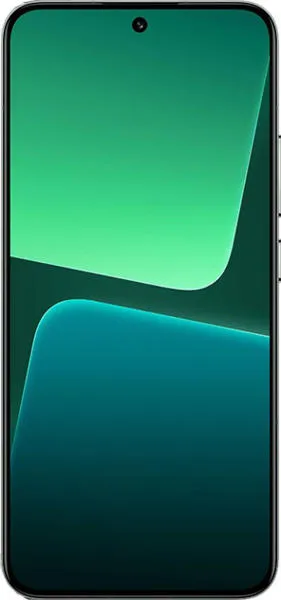
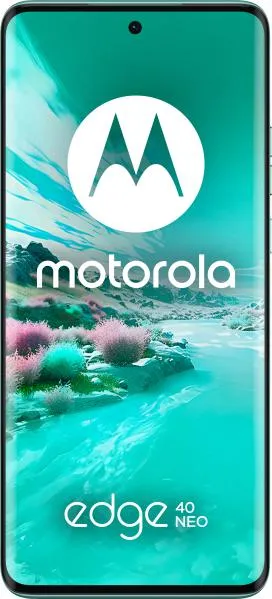
Xiaomi 13 vs. Motorola Edge 40 Neo: A Deep Dive for the Discerning Smartphone User
The smartphone market is a whirlwind of new releases, making choosing the right device a daunting task. Today, we dissect two compelling contenders: the Xiaomi 13 and the Motorola Edge 40 Neo. By blending technical expertise with real-world insights, we'll equip you to make an informed decision.
1. Specifications Breakdown
| Feature | Xiaomi 13 | Motorola Edge 40 Neo | Real-World Implications |
|---|---|---|---|
| Design | |||
| Dimensions (mm) | 152.8 x 71.5 x 8 | 159.6 x 72 x 7.9 | Xiaomi 13 is more compact, potentially easier for one-handed use. |
| Weight (g) | 185 | 170 | Edge 40 Neo is noticeably lighter, reducing hand fatigue. |
| Display | |||
| Type | AMOLED, 120Hz, Dolby Vision, HDR10+ | pOLED, 144Hz, HDR10+ | Both offer vibrant colors and smooth scrolling. Edge 40 Neo's higher refresh rate may appeal to gamers. |
| Size (inches) | 6.36 | 6.55 | Edge 40 Neo provides a slightly larger viewing area. |
| Resolution | 1080 x 2400 | 1080 x 2400 | Identical resolution, resulting in similar sharpness. |
| Peak Brightness | 1900 nits | 1300 nits | Xiaomi 13 offers superior outdoor visibility in bright sunlight. |
| Performance | |||
| Chipset | Snapdragon 8 Gen 2 | MediaTek Dimensity 7030 | Xiaomi 13 boasts significantly more processing power for demanding tasks and gaming. |
| CPU | Octa-core (up to 3.2 GHz) | Octa-core (up to 2.5 GHz) | Xiaomi 13's superior CPU architecture delivers faster performance. |
| GPU | Adreno 740 | Mali-G610 MC3 | Xiaomi 13's GPU offers a substantial advantage in graphics performance. |
| RAM | 8GB/12GB | 12GB | Both offer ample RAM for multitasking, though Xiaomi 13 offers an 8GB variant. |
| Camera | |||
| Main Sensor | 50MP Sony IMX800 | 50MP Omnivision OV50A | Both have high-resolution main sensors, promising detailed photos. |
| Video Recording | Up to 8K@24fps | Up to 4K@30fps | Xiaomi 13 supports higher resolution video recording. |
| Battery Life | |||
| Capacity | 4500 mAh | 5000 mAh | Edge 40 Neo has a larger battery, potentially leading to longer usage time. |
| Other | |||
| Price Range | High | Medium | Edge 40 Neo offers a more affordable price point. |
2. Key Insights
The Xiaomi 13 is a flagship powerhouse, flexing its muscles with the Snapdragon 8 Gen 2 chip, a brilliant display, and impressive camera capabilities. Its compact form factor is a bonus for one-handed use. The higher peak brightness ensures clear visibility even under direct sunlight.
The Motorola Edge 40 Neo, while less powerful, presents a compelling value proposition. Its larger battery, smooth 144Hz display, and lighter weight are noteworthy. It caters to users prioritizing battery life and affordability.
3. User Profiles and Recommendations
Xiaomi 13: Ideal for power users, gamers, and photography enthusiasts who demand top-tier performance and cutting-edge features. Its compact size also appeals to those who prefer a smaller phone.
Motorola Edge 40 Neo: Well-suited for budget-conscious users, casual gamers, and those who prioritize long battery life and a smooth display experience. It's an excellent choice for everyday tasks, social media, and content consumption.
4. Buying Decision Framework
What's your budget? The Edge 40 Neo offers excellent value in the mid-range segment, while the Xiaomi 13 commands a flagship price.
What are your performance needs? For demanding tasks and gaming, the Xiaomi 13's superior processor is essential. For everyday use, the Edge 40 Neo is more than sufficient.
How important is battery life? The Edge 40 Neo's larger battery likely provides longer usage time.
My Choice: The Xiaomi 13
While the Motorola Edge 40 Neo offers excellent value, I'd choose the Xiaomi 13. The Snapdragon 8 Gen 2's significant performance advantage, coupled with the brighter AMOLED display and compact form factor, aligns perfectly with my needs as a power user. I frequently engage in demanding tasks, mobile gaming, and photography, making the Xiaomi 13 a more suitable choice despite the higher price. The superior camera capabilities, especially video recording, are a major deciding factor for me. I prioritize performance and cutting-edge technology, and I'm willing to invest in a device that delivers a premium experience.
