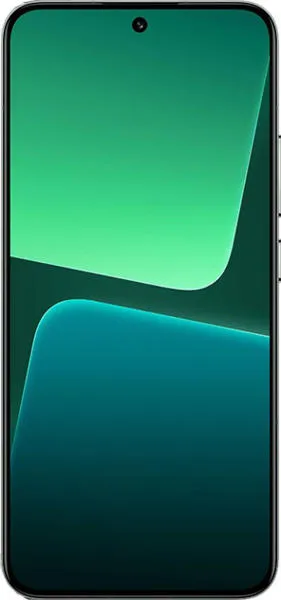
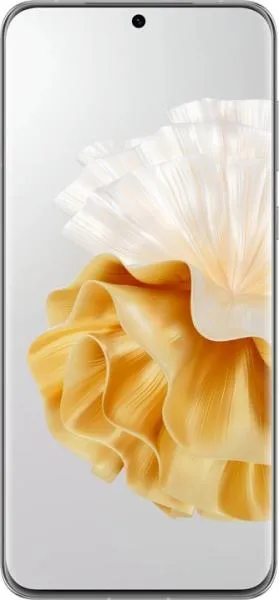
Xiaomi 13 vs. Huawei P60 Pro: A Deep Dive
Let's dissect the Xiaomi 13 and Huawei P60 Pro, two powerhouse smartphones vying for your attention. We'll go beyond the spec sheets to understand what these numbers mean for your daily life.
1. Specifications Breakdown
| Feature | Xiaomi 13 | Huawei P60 Pro | Real-World Implications |
|---|---|---|---|
| Design | |||
| Dimensions (mm) | 152.8 x 71.5 x 8 | 161 x 74.5 x 8.3 | P60 Pro is slightly larger and heavier. Xiaomi 13 might feel more compact in hand. |
| Weight (g) | 185 | 200 | Noticeable difference in weight; Xiaomi 13 is more pocketable. |
| Display | |||
| Size (inches) | 6.36 | 6.67 | P60 Pro offers a larger screen for media consumption. |
| Resolution | 1080 x 2400 | 1220 x 2700 | P60 Pro boasts sharper visuals due to higher resolution and pixel density. |
| Refresh Rate (Hz) | 120 | 120 | Both offer smooth scrolling and animations. |
| Display Type | AMOLED | LTPO OLED | P60 Pro's LTPO panel allows for dynamic refresh rate adjustment, potentially saving battery. |
| Peak Brightness (nits) | 1900 | Unspecified | Xiaomi 13's higher peak brightness ensures better visibility outdoors. Missing data for the P60 Pro makes a direct comparison impossible. |
| Performance | |||
| Chipset | Snapdragon 8 Gen 2 | Snapdragon 8+ Gen 1 4G | Xiaomi 13's newer processor likely offers a performance advantage in speed and efficiency, though the 8+ Gen 1 is no slouch. Notably, the P60 Pro lacks 5G connectivity. |
| CPU | Octa-core (3.2 GHz X3...) | Octa-core (3.19 GHz X2...) | Both are high-performance CPUs, but architectural differences give the 8 Gen 2 an edge. |
| GPU | Adreno 740 | Adreno 730 | Xiaomi 13 likely delivers smoother gaming and graphics-intensive tasks due to a newer GPU. |
| RAM | 8/12GB | 8/12GB | Both offer ample RAM for multitasking. |
| Camera | |||
| Main Camera (MP) | 50 | 48 | Megapixel count isn't everything; sensor size and aperture are crucial. P60 Pro boasts a physically larger sensor and wider aperture (f/1.4-4.0 variable), suggesting superior low-light performance and depth-of-field control. |
| Telephoto (MP) | 10 | 48 | P60 Pro's higher resolution telephoto suggests better zoom capabilities. Its variable aperture also helps control light intake across zoom ranges. |
| DXOMARK Score | 130 | 156 | P60 Pro scores significantly higher, indicating superior overall camera performance according to DXOMARK's testing. |
| Battery Life | |||
| Capacity (mAh) | 4500 | 4815 | P60 Pro has a slightly larger battery. Actual battery life depends on usage and optimization. |
2. Key Insights
- Performance: The Xiaomi 13 likely edges out the P60 Pro in raw performance due to its newer Snapdragon 8 Gen 2 processor and Adreno 740 GPU. This translates to faster app loading, smoother gaming, and better handling of demanding tasks.
- Camera: While the Xiaomi 13 has a capable camera system, the Huawei P60 Pro, with its higher DXOMARK score, variable aperture, and impressive telephoto lens, appears to be the clear winner for photography enthusiasts. The variable aperture in particular is a unique strength, allowing for incredible versatility in various lighting conditions.
- Display: Both phones offer stunning displays with high refresh rates. However, the P60 Pro's LTPO panel dynamically adjusts the refresh rate, leading to potential power savings. Its slightly larger size and higher resolution also provide a more immersive viewing experience. Notably, the lack of peak brightness specs for the P60 Pro hinders a complete comparison.
- Connectivity: A critical distinction is the P60 Pro's lack of 5G connectivity. In a world rapidly adopting 5G, this is a significant limitation for future-proofing.
3. User Profiles and Recommendations
- Xiaomi 13: Ideal for users prioritizing performance, a compact form factor, and the latest connectivity (5G). Gamers, power users, and those seeking a fast and efficient all-around device would appreciate the Xiaomi 13.
- Huawei P60 Pro: Best suited for photography enthusiasts who value exceptional camera quality above all else. The variable aperture, powerful telephoto lens, and high DXOMARK score point to a truly premium photography experience. However, the lack of 5G is a significant drawback to consider.
4. Buying Decision Framework
- Is 5G connectivity essential for you? If yes, the Xiaomi 13 is the only option.
- Is camera quality your top priority? If so, the Huawei P60 Pro likely offers the best mobile photography experience.
- Do you prefer a compact phone or a larger display? The Xiaomi 13 is more pocketable, while the P60 Pro offers a more immersive viewing experience.
My Choice: The Xiaomi 13
While the P60 Pro's camera is undeniably tempting, the lack of 5G is a dealbreaker for me. In a world increasingly reliant on fast, reliable connectivity, I prioritize future-proofing my investment. The Xiaomi 13 offers a compelling blend of performance, a modern design, and essential features like 5G. Although the P60 Pro boasts a superior camera experience according to DXOMARK, the overall package of the Xiaomi 13, coupled with 5G connectivity, aligns better with my needs. The slightly smaller form factor is also appealing for everyday carry. Ultimately, the trade-off in camera prowess is acceptable for the gains in connectivity, performance, and portability.
