Xiaomi 13 vs. Huawei nova 12i: A Deep Dive Comparison
Let's dissect the Xiaomi 13 and Huawei nova 12i, two smartphones targeting different segments of the market. We'll go beyond the spec sheet to understand what these numbers mean for your daily usage.
1. Specifications Breakdown
| Feature | Xiaomi 13 | Huawei nova 12i | Real-World Implications |
|---|---|---|---|
| Design | |||
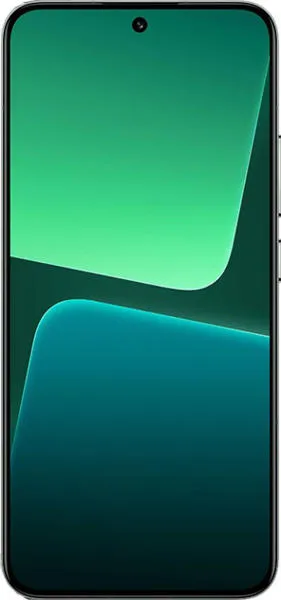
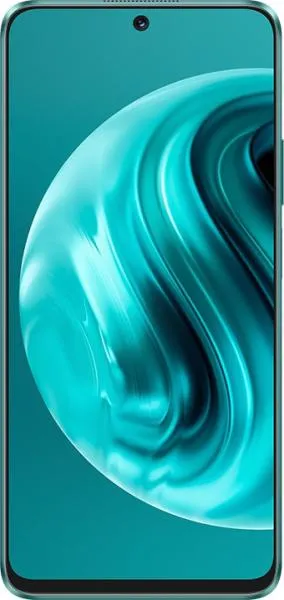
| Dimensions (mm) | 152.8 x 71.5 x 8 | 163.3 x 74.7 x 8.4 | Xiaomi 13 is more compact and pocketable. |
| Weight (g) | 185 | 199 | Noticeable difference in hand; Xiaomi 13 feels lighter. |
| Display | |||
| Type | AMOLED, 120Hz, Dolby Vision, HDR10+ | IPS LCD, 90Hz | Xiaomi 13: Richer blacks, vibrant colors, smoother scrolling, better outdoor visibility. |
| Size | 6.36" | 6.7" | Nova 12i offers a larger screen for media consumption. |
| Resolution | 1080 x 2400 | 1080 x 2388 | Comparable sharpness; minimal real-world difference. |
| Performance | |||
| Chipset | Snapdragon 8 Gen 2 (4nm) | Snapdragon 680 4G (6nm) | Xiaomi 13: Significantly faster CPU and GPU for demanding tasks and gaming. |
| CPU | Octa-core (up to 3.2 GHz) | Octa-core (up to 2.4 GHz) | Xiaomi 13: Superior multi-tasking and responsiveness. |
| RAM | 8GB/12GB | 8GB | Ample RAM for both; 12GB option on Xiaomi 13 for extreme multi-tasking. |
| Camera | |||
| Main Camera | 50MP, Sony IMX800, f/1.8 | 108MP, f/1.9 | Xiaomi 13: Likely better low-light performance and image processing despite lower MP count. |
| Ultrawide | 13MP, f/2.2 | N/A | Xiaomi 13 offers ultrawide perspective for landscapes and group photos. |
| Telephoto | 10MP, f/2.0, OIS | N/A | Xiaomi 13 enables optical zoom for clearer distant shots. |
| Battery Life | |||
| Capacity | 4500 mAh | 5000 mAh | Nova 12i: Larger battery likely translates to longer usage time. |
| Other | |||
| Price Range | High | Medium | Significant price difference; Xiaomi 13 is a premium flagship. |
| OS | Android 13 (upgradable to 14) | Unspecified Android | Xiaomi 13: More up-to-date software, likely longer software support. |
2. Key Insights
- Performance Powerhouse: The Xiaomi 13, with its Snapdragon 8 Gen 2, obliterates the Nova 12i in raw performance. This translates to smoother gaming, faster app loading, and seamless multitasking.
- Display Dynamics: The Xiaomi 13's AMOLED display with 120Hz refresh rate provides a visually superior experience compared to the Nova 12i's 90Hz IPS LCD. Deeper blacks, punchier colors, and smoother animations are noticeable advantages.
- Camera Prowess: While the Nova 12i boasts a 108MP main sensor, megapixels aren't everything. The Xiaomi 13's triple camera system, featuring a high-quality Sony sensor, OIS, and a dedicated telephoto lens, likely delivers superior overall image quality, especially in versatility and low-light conditions.
- Battery Endurance vs. Power: The Nova 12i's larger 5000mAh battery promises longer battery life, catering to users who prioritize all-day usage. The Xiaomi 13 compensates with faster charging technology (not specified but expected given its flagship status).
3. User Profiles and Recommendations
- Xiaomi 13: For power users, gamers, photography enthusiasts, and those who demand the best performance and display quality. Price is a premium, but you get what you pay for.
- Huawei nova 12i: For budget-conscious users who prioritize long battery life and casual usage. A solid choice for everyday tasks, social media, and light gaming.
4. Buying Decision Framework
- What's your budget? If price is a major constraint, the Nova 12i is the more affordable option.
- What are your performance needs? Heavy gaming or demanding apps? The Xiaomi 13's superior processor is essential.
- How important is camera quality and versatility? The Xiaomi 13 provides a more well-rounded and feature-rich camera experience.
My Choice: The Xiaomi 13
While the Huawei nova 12i offers excellent value for its price, I would choose the Xiaomi 13. As a tech enthusiast and someone who appreciates top-tier performance, the Snapdragon 8 Gen 2, coupled with the brilliant AMOLED display, is a compelling combination. The superior camera system and the promise of longer software updates further solidify my choice. I'm willing to pay the premium for a flagship experience that delivers speed, visual fidelity, and photographic excellence. The compact form factor is also a significant plus for me. While battery life might be a slight concern, I prioritize performance and overall user experience above sheer battery capacity.
