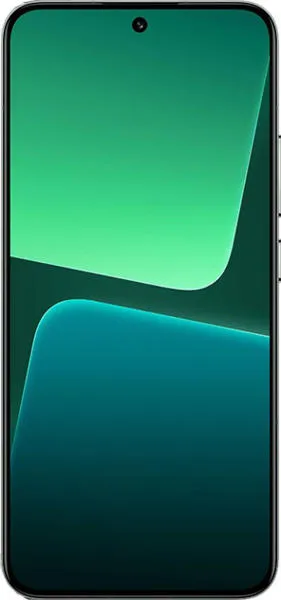

Xiaomi 13 vs. Huawei nova 11 Pro: A Deep Dive for the Discerning User
The smartphone landscape is a battlefield, and today we're analyzing two contenders vying for your attention: the Xiaomi 13 and the Huawei nova 11 Pro. Let's dissect their specifications and uncover what truly matters for the everyday user.
1. Specifications Breakdown
| Feature | Xiaomi 13 | Huawei nova 11 Pro | Real-World Implications |
|---|---|---|---|
| Design | |||
| Dimensions (mm) | 152.8 x 71.5 x 8 | 164.3 x 74.4 x 7.9 | Xiaomi 13 is noticeably more compact, potentially easier for one-handed use. |
| Weight (g) | 185 | 188 | Negligible difference in weight. |
| Display | |||
| Size (inches) | 6.36 | 6.78 | Nova 11 Pro offers a larger screen for media consumption. |
| Resolution (px) | 1080 x 2400 | 1200 x 2652 | Nova 11 Pro boasts sharper visuals due to higher resolution. |
| Type | AMOLED, 120Hz | OLED, 120Hz | Both offer smooth scrolling and vibrant colors, but AMOLED generally has deeper blacks. |
| Peak Brightness | 1900 nits | 950 nits | Xiaomi 13's display will be significantly more visible in direct sunlight. |
| Performance | |||
| Chipset | Snapdragon 8 Gen 2 | Snapdragon 778G 4G | Xiaomi 13 significantly outperforms in demanding tasks and gaming. |
| CPU | Octa-core (up to 3.2 GHz) | Octa-core (up to 2.4 GHz) | Xiaomi 13 offers faster processing speeds. |
| RAM | 8GB/12GB | 8GB/12GB | Comparable RAM options for multitasking. |
| Camera | |||
| Rear Main | 50MP, Sony IMX800 | 50MP | Sensor details missing for Nova 11 Pro, making a direct comparison difficult. |
| Front | 32MP | 60MP + 8MP Depth | Nova 11 Pro boasts a higher resolution selfie camera with a dedicated depth sensor. |
| Video | Up to 8K@24fps | Up to 720p@960fps | Xiaomi 13 offers superior video resolution and features, including 8K recording. |
| Battery Life | |||
| Capacity (mAh) | 4500 | 4500 | Identical battery capacities. Real-world battery life will depend on optimization. |
2. Key Insights
The Xiaomi 13 is a powerhouse, flexing its muscles with the flagship Snapdragon 8 Gen 2. This translates to blazing-fast performance, seamless multitasking, and top-tier gaming capabilities. Its brighter display ensures excellent outdoor visibility. The Leica-tuned camera system promises exceptional image quality, further solidified by its DxOMark score of 130.
The Huawei nova 11 Pro, while not a flagship, focuses on design aesthetics and camera prowess, particularly for selfies. Its larger display caters to media enthusiasts, and the 60MP front camera with a dedicated depth sensor will appeal to selfie lovers and vloggers. However, the Snapdragon 778G, while capable, doesn't match the raw power of the Xiaomi 13.
3. User Profiles and Recommendations
Xiaomi 13: Ideal for power users, gamers, and photography enthusiasts who demand top-tier performance and a premium camera experience. The compact form factor is a bonus for those who prefer one-handed usability.
Huawei nova 11 Pro: Best suited for style-conscious users who prioritize a large, vibrant display and a high-resolution selfie camera. This phone is great for social media enthusiasts and casual gamers.
4. Buying Decision Framework
Questions to Ask Yourself:
- Is raw performance a priority? If yes, the Xiaomi 13's Snapdragon 8 Gen 2 is the clear winner.
- Do you value a larger screen or a more compact design? The Nova 11 Pro offers a larger display, while the Xiaomi 13 is more pocketable.
- What's your budget? The Xiaomi 13 falls into a higher price bracket than the Nova 11 Pro.
My Choice: The Xiaomi 13
While the Nova 11 Pro offers compelling features for selfie enthusiasts, I would choose the Xiaomi 13. Its superior processing power, brighter display, more versatile camera system (including 8K video recording), and compact design align better with my needs. I prioritize performance and a premium overall experience, and the Xiaomi 13 delivers on those fronts. While the price difference is notable, the significant performance leap and the overall refined experience of the Xiaomi 13 justify the investment for me. The lack of detailed camera sensor information for the Nova 11 Pro also makes it difficult to fully assess its photographic capabilities. Xiaomi's track record with camera quality, combined with the Leica partnership and the impressive DxOMark score, gives me more confidence in its imaging prowess.
