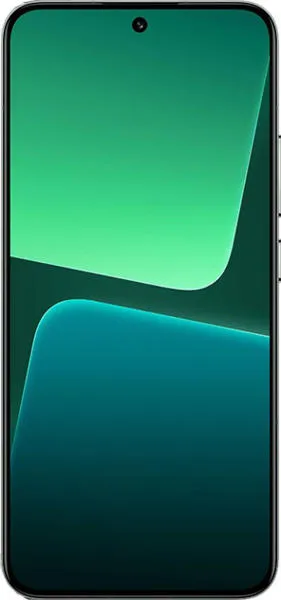
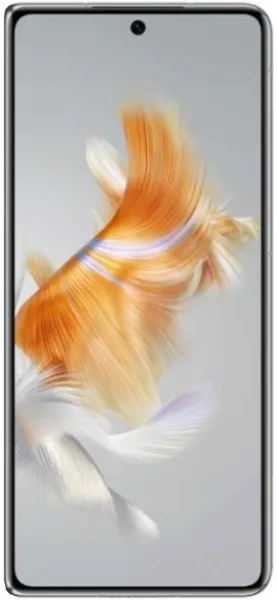
Xiaomi 13 vs. Huawei Mate X3: A Deep Dive for the Discerning User
The smartphone landscape is constantly evolving, with new contenders vying for your attention. Today, we pit the Xiaomi 13 against the Huawei Mate X3, two high-end devices with distinct strengths. Let's dissect their specifications and uncover what truly sets them apart.
1. Specifications Breakdown
| Feature | Xiaomi 13 | Huawei Mate X3 | Real-World Implications |
|---|---|---|---|
| Design | |||
| Dimensions (mm) | 152.8 x 71.5 x 8 | 156.9 x 141.5 x 5.3 (unfolded) | Xiaomi 13 is more pocketable; Mate X3 offers a larger screen real estate when unfolded but is significantly bulkier when folded. |
| Weight (g) | 185 | 239 | Xiaomi 13 is noticeably lighter for everyday carry. Mate X3's weight is a trade-off for its foldable design. |
| Foldable | No | Yes | Mate X3's foldable screen provides a unique, flexible user experience, transforming from a phone to a small tablet. |
| Display | |||
| Size (inches) | 6.36 | 7.85 (unfolded), ~6.4" (folded) | Mate X3 offers a significantly larger unfolded display for immersive content consumption and multitasking. |
| Resolution (px) | 1080 x 2400 | 2224 x 2496 (unfolded), 1080 x 2504 (folded) | Both offer sharp displays; Mate X3's unfolded screen provides higher detail. |
| Refresh Rate (Hz) | 120 | 120 | Both deliver smooth scrolling and animations. |
| Display Type | AMOLED, Dolby Vision, HDR10+ | Foldable OLED | Xiaomi 13 boasts superior display technology with richer colors and higher peak brightness for better HDR content. |
| Performance | |||
| Chipset | Snapdragon 8 Gen 2 | Snapdragon 8+ Gen 1 4G | Xiaomi 13's newer processor offers a performance advantage in speed and efficiency. Notably, the Mate X3 lacks 5G connectivity. |
| CPU | Octa-core (up to 3.2 GHz) | Octa-core (up to 3.19 GHz) | Xiaomi 13 likely edges out the Mate X3 in CPU performance due to architectural improvements. |
| GPU | Adreno 740 | Adreno 730 | Xiaomi 13 will likely have a slight edge in graphics performance. |
| RAM | 8GB/12GB | 12GB | Both offer ample RAM for multitasking, though Xiaomi 13 has an 8GB option for a lower price point. |
| Camera | |||
| Main Camera (MP) | 50MP (Sony IMX800) | 50MP (Sony IMX766) | Both use high-quality sensors; real-world image quality will depend on software processing. |
| Telephoto | Yes (3.2x Optical Zoom) | Yes (5x Optical Zoom) | Mate X3 offers a greater optical zoom range for better telephoto shots. |
| Battery Life | |||
| Capacity (mAh) | 4500 | 4800 | Mate X3 has a slightly larger battery, but real-world battery life will depend on usage and the larger display's power consumption. |
2. Key Insights
- Performance: The Xiaomi 13 boasts a clear advantage in processing power with the newer Snapdragon 8 Gen 2 chip. This translates to faster app loading, smoother gaming, and enhanced overall responsiveness.
- Display: While the Mate X3's foldable display is undeniably impressive, the Xiaomi 13 offers superior image quality thanks to its advanced AMOLED panel with Dolby Vision and HDR10+ support.
- Portability: The Xiaomi 13's compact form factor makes it a winner for one-handed use and pocket-friendliness. The Mate X3’s foldable design sacrifices portability for screen real estate.
- Connectivity: A significant drawback for the Mate X3 is its lack of 5G connectivity, a feature becoming increasingly standard in flagship devices. The Xiaomi 13 offers comprehensive 5G support.
- Price: While pricing can vary, the Xiaomi 13 generally comes in at a lower price point than the Mate X3, making it potentially a better value proposition for users prioritizing performance and display quality over a foldable screen.
3. User Profiles and Recommendations
- Xiaomi 13: Ideal for users seeking a powerful, pocketable device with a stunning display and comprehensive connectivity. Excellent for those who prioritize performance, photography, and value.
- Huawei Mate X3: Best suited for users who crave the innovative foldable form factor and larger screen real estate for multitasking and media consumption. A good choice for those willing to compromise on portability and 5G for a unique user experience.
4. Buying Decision Framework
- Is a foldable screen a must-have? If yes, the Mate X3 is your only option here. If not, the Xiaomi 13 offers a more traditional smartphone experience.
- Do you prioritize performance and future-proofing? The Xiaomi 13's superior processor and 5G connectivity make it a better long-term investment.
- What's your budget? The Xiaomi 13 generally offers better value for its price, delivering top-tier features at a lower cost.
My Choice: The Xiaomi 13
While the Mate X3's foldable technology is intriguing, the Xiaomi 13 aligns better with my priorities. As a tech journalist focused on practical usability, the combination of raw performance, a brilliant display, comprehensive connectivity (including 5G), pocketability, and a more attractive price point make the Xiaomi 13 the clear winner for me. The lack of 5G in the Mate X3 is a significant drawback in today's environment, and while the foldable screen is appealing, it doesn't outweigh the Xiaomi 13's advantages in core areas that impact daily usage for me.
