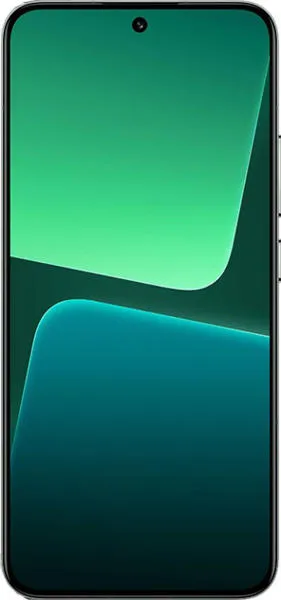
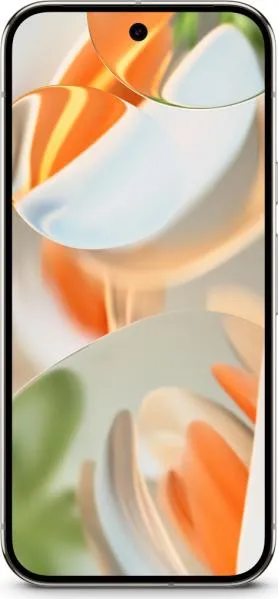
Xiaomi 13 vs. Google Pixel 9 Pro: A Deep Dive
The smartphone landscape is fiercely competitive, with manufacturers constantly vying for your attention. Today, we'll dissect two high-end contenders: the Xiaomi 13 and the Google Pixel 9 Pro. By blending technical expertise with real-world insights, we'll empower you to choose the device that truly fits your needs.
1. Specifications Breakdown
| Feature | Xiaomi 13 | Google Pixel 9 Pro | Real-World Implications |
|---|---|---|---|
| Design | |||
| Dimensions (mm) | 152.8 x 71.5 x 8 | 152.8 x 72 x 8.5 | Pixel 9 Pro slightly thicker and wider |
| Weight (g) | 185 | 199 | Xiaomi 13 noticeably lighter |
| Build Materials | Glass front/back, aluminum frame | Aluminum frame, glass back | Similar premium feel, potential durability differences |
| Display | |||
| Size (inches) | 6.36 | 6.3 | Negligible size difference |
| Resolution | 1080 x 2400 | 1280 x 2856 | Pixel 9 Pro sharper, higher pixel density |
| Refresh Rate (Hz) | 120 | 120 | Both offer smooth scrolling and animations |
| Display Type | AMOLED | LTPO OLED | Pixel 9 Pro's LTPO allows for variable refresh rate, potentially saving battery |
| Peak Brightness (nits) | 1900 | 3000 | Pixel 9 Pro significantly brighter in direct sunlight |
| Performance | |||
| Chipset | Snapdragon 8 Gen 2 | Google Tensor G4 | Both are flagship processors, but real-world performance needs testing |
| CPU | Octa-core (3.2 GHz X3...) | Octa-core (3.1 GHz X4...) | Tensor G4 optimized for AI and machine learning tasks |
| RAM (GB) | 8/12 | 16 | Pixel 9 Pro boasts significantly more RAM for multitasking |
| Camera | |||
| Main Camera (MP) | 50 | 50 | Comparable resolution, sensor details matter more |
| Ultrawide (MP) | 12 | 48 | Pixel 9 Pro offers higher ultrawide resolution |
| Telephoto (MP) | 10 | 48 | Pixel 9 Pro significantly better telephoto capabilities |
| Battery Life | |||
| Capacity (mAh) | 4500 | 4700 | Pixel 9 Pro slightly larger battery |
| Charging | 67W wired, 50W wireless | Unknown | Xiaomi 13 boasts faster wired charging |
2. Key Insights
The Xiaomi 13 offers a compelling blend of performance and design, packaged in a lighter, more compact form. Its Snapdragon 8 Gen 2 promises excellent processing power, and the fast charging is a major plus. However, its camera system, while capable, appears less versatile than the Pixel's.
The Pixel 9 Pro leans heavily on Google's AI prowess and computational photography. Its Tensor G4 chip, coupled with advanced camera hardware and software, is likely to deliver exceptional image quality. The higher resolution display and larger battery are also noteworthy advantages. However, its larger size and potentially higher price point might deter some users.
3. User Profiles and Recommendations
Xiaomi 13: Users who prioritize a compact, lightweight design, fast charging, and a strong overall performance will find the Xiaomi 13 appealing. It's a great option for everyday tasks, media consumption, and even demanding mobile gaming.
Google Pixel 9 Pro: Photography enthusiasts, AI aficionados, and those who value a cutting-edge software experience will gravitate towards the Pixel 9 Pro. Its superior camera system, especially the telephoto lens, makes it ideal for capturing stunning photos and videos. The ample RAM ensures smooth multitasking for power users.
4. Buying Decision Framework
Questions to Ask:
- What is your budget? The Pixel 9 Pro is expected to be priced higher than the Xiaomi 13.
- What are your photography needs? If capturing high-quality images is paramount, the Pixel 9 Pro is the clear winner.
- Do you prioritize a compact design or a larger screen and battery? The Xiaomi 13 is smaller and lighter, while the Pixel 9 Pro offers a larger display and battery.
My Choice: Google Pixel 9 Pro
While the Xiaomi 13 is a compelling device, I would choose the Google Pixel 9 Pro. As a tech journalist, I value being at the forefront of innovation, and the Pixel's AI-driven features and advanced camera technology are incredibly appealing. The superior telephoto lens, brighter display, and larger battery are significant advantages that outweigh the slight increase in size and weight. While I appreciate the Xiaomi 13's fast charging, my workflow relies heavily on capturing high-quality photos and videos, making the Pixel 9 Pro the better fit for my needs. The promise of longer software support from Google also factors into my decision.
