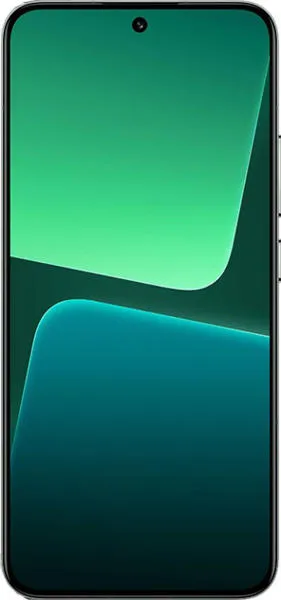
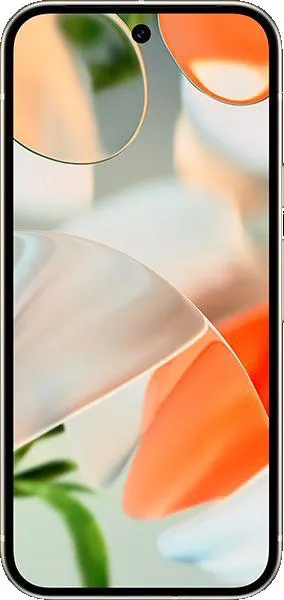
Xiaomi 13 vs. Google Pixel 9: A Deep Dive for the Discerning Smartphone User
Hello, fellow tech enthusiasts! Alex Griffin here, ready to dissect the Xiaomi 13 and the Google Pixel 9. We'll go beyond the spec sheet and delve into what these numbers really mean for your daily life. Let's get started!
1. Specifications Breakdown
| Feature | Xiaomi 13 | Google Pixel 9 | Real-World Implications | |
|---|---|---|---|---|
| Design | ||||
| Dimensions (mm) | 152.8 x 71.5 x 8 | 152.8 x 72 x 8.5 | Pixel 9 slightly wider and thicker. Negligible difference in hand feel for most users. | |
| Weight (g) | 185 | 198 | Xiaomi 13 noticeably lighter, reducing hand fatigue during extended use. | |
| Display | ||||
| Size (inches) | 6.36 | 6.3 | Virtually identical screen real estate. | |
| Resolution | 1080 x 2400 | 1080 x 2424 | Similar pixel density, resulting in sharp visuals on both. Pixel 9 slightly sharper due to higher resolution, but practically imperceptible. | |
| Type | AMOLED, 120Hz | OLED, 120Hz | Both offer smooth scrolling and vibrant colors. AMOLED generally boasts deeper blacks and higher contrast. | |
| Peak Brightness | 1900 nits | 2700 nits (claimed) | Pixel 9 potentially offers superior outdoor visibility in direct sunlight, pending real-world testing. | |
| Performance | ||||
| Chipset | Snapdragon 8 Gen 2 | Google Tensor G4 | Both are flagship processors, but Snapdragon 8 Gen 2 historically benchmarks higher in raw performance. Real-world usage may vary. | |
| CPU | Octa-core (up to 3.2 GHz) | Octa-core (up to 3.1 GHz) | Snapdragon's higher clock speed suggests a potential edge in demanding tasks. Tensor G4 known for AI and ML optimizations. | |
| RAM | 8/12GB | 12GB | Both offer ample RAM for multitasking. | |
| Camera | ||||
| Main Sensor | 50MP (Sony IMX800) | 50MP (Samsung GNK) | Both utilize large sensors promising excellent image quality. Specific sensor performance depends on processing and tuning. | |
| Ultrawide | 12MP | 48MP | Pixel 9 boasts significantly higher resolution ultrawide, capturing more detail. | |
| Telephoto | 10MP | None | Xiaomi 13 offers optical zoom capability, missing on the Pixel 9. | |
| DXOMARK Score | 130 | 154 | Pixel 9 scores significantly higher, suggesting superior overall camera performance based on DXOMARK's testing methodology. | |
| Battery Life | ||||
| Capacity | 4500 mAh | 4700 mAh | Pixel 9 has a slightly larger battery, but actual battery life depends heavily on optimization and usage patterns. |
2. Key Insights
- Performance: The Xiaomi 13, with its Snapdragon 8 Gen 2, likely edges out the Pixel 9 in raw processing power. However, the Tensor G4 excels in AI-driven tasks, potentially offering a smoother, more intuitive user experience in specific applications.
- Camera: While megapixels aren't everything, the Pixel 9's significantly higher DXOMARK score and superior ultrawide lens suggest a clear advantage in photography. Xiaomi 13 counters with a dedicated telephoto lens, offering optical zoom for distant subjects.
- Battery: The Pixel 9's larger battery capacity suggests longer endurance, but real-world performance hinges on software optimization. Xiaomi’s faster charging could be a significant advantage for some.
- Software: Pixel phones generally receive faster and longer software updates directly from Google, a key consideration for users prioritizing security and new features.
3. User Profiles and Recommendations
- Xiaomi 13: Ideal for users prioritizing raw performance, a lighter design, and optical zoom capabilities. Power users, gamers, and photography enthusiasts who value versatility might find this phone appealing.
- Google Pixel 9: Best suited for users who prioritize camera quality, a clean Android experience with timely updates, and potentially longer battery life. Casual photographers, content consumers, and those embedded in the Google ecosystem will likely appreciate the Pixel 9.
4. Buying Decision Framework
- What are your photography priorities? If top-notch image quality and an excellent ultrawide lens are paramount, the Pixel 9 likely wins. If optical zoom is crucial, the Xiaomi 13 is the better choice.
- How important is raw performance? For demanding tasks and gaming, the Xiaomi 13's Snapdragon processor offers a potential advantage. If a smooth, AI-enhanced experience is more appealing, the Pixel 9's Tensor G4 might be preferable.
- What's your budget? The Pixel 9 is positioned in the "medium price" range, while the Xiaomi 13 falls into the "high price" bracket. Consider the price difference and whether the premium features of the Xiaomi 13 justify the higher cost.
My Choice: The Google Pixel 9
Personally, I'd opt for the Google Pixel 9. While I appreciate the Xiaomi 13's performance potential and telephoto lens, the Pixel 9's superior camera system, coupled with the promise of timely software updates and a clean Android experience, aligns more closely with my priorities. The slightly larger battery and competitive price point further solidify my decision. I value a phone that seamlessly integrates into my workflow, capturing stunning photos and offering a consistently smooth user experience, and the Pixel 9 seems poised to deliver precisely that.
