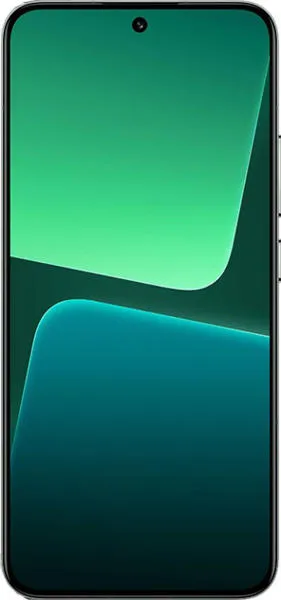
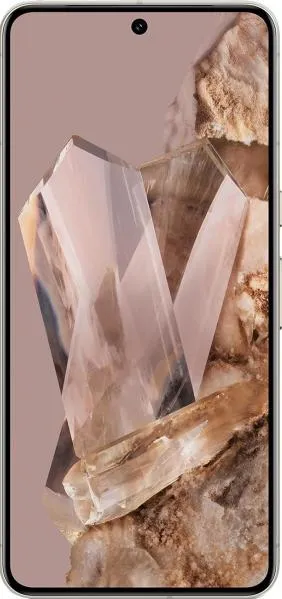
Xiaomi 13 vs. Google Pixel 8 Pro: A Deep Dive
Let's dissect the Xiaomi 13 and Google Pixel 8 Pro, two powerhouse smartphones vying for your attention. We'll go beyond the spec sheet, translating technical jargon into real-world experiences to help you decide which phone fits your lifestyle.
1. Specifications Breakdown
| Feature | Xiaomi 13 | Google Pixel 8 Pro | Real-World Implications |
|---|---|---|---|
| Design | |||
| Dimensions (mm) | 152.8 x 71.5 x 8 | 162.6 x 76.5 x 8.8 | Pixel 8 Pro is noticeably larger and heavier; Xiaomi 13 offers a more compact, one-handed friendly experience. Pixel 8 Pro feels more substantial in hand. |
| Weight (g) | 185 | 213 | Xiaomi 13 is significantly lighter, reducing hand fatigue during extended use. |
| Display | |||
| Size (inches) | 6.36 | 6.7 | Pixel 8 Pro offers a larger canvas for media consumption and multitasking; Xiaomi 13 is more pocketable. |
| Resolution | 1080 x 2400 | 1344 x 2992 | Pixel 8 Pro boasts a sharper display with higher pixel density (490 ppi vs 414 ppi), resulting in crisper text and images. |
| Refresh Rate (Hz) | 120 | 120 | Both phones deliver smooth scrolling and animations thanks to their high refresh rates. Pixel 8 Pro employs LTPO for dynamic refresh rate adjustment, potentially saving battery. |
| Peak Brightness | 1900 nits | 2400 nits | Pixel 8 Pro can get significantly brighter, ensuring excellent outdoor visibility even in direct sunlight. |
| Performance | |||
| Chipset | Snapdragon 8 Gen 2 | Google Tensor G3 | Both are flagship chipsets, but benchmark comparisons will reveal performance differences in areas like gaming and AI tasks. Tensor G3 is optimized for Google's AI and ML services. |
| RAM (GB) | 8/12 | 12 | Pixel 8 Pro's larger RAM capacity should enable better multitasking and app switching, keeping more apps active in the background. |
| Camera | |||
| Main Sensor (MP) | 50 | 50 | Comparable main sensor resolution, but image quality will depend on sensor size, aperture, and processing. Pixel historically excels in computational photography. |
| Telephoto | 3.2x Optical Zoom | 5x Optical Zoom | Pixel 8 Pro offers a superior telephoto lens, enabling greater zoom range without significant quality loss. |
| DxOMark Score | 130 | 153 | Pixel 8 Pro scores significantly higher in DxOMark tests, suggesting superior overall camera performance. Real world testing is necessary to confirm this. |
Battery Life
| Feature | Xiaomi 13 | Google Pixel 8 Pro | Real-World Implications |
|---|---|---|---|
| Battery Capacity (mAh) | 4500 | 5050 | Pixel 8 Pro has a larger battery, potentially offering longer usage time. |
| Charging Speed | 67W Wired, 50W Wireless | 30W Wired, 23W Wireless | Xiaomi 13 boasts significantly faster wired and wireless charging, minimizing downtime. |
2. Key Insights
- Performance: Both phones offer flagship-level performance, but the Snapdragon 8 Gen 2 in the Xiaomi 13 is generally considered to have a slight edge in raw processing power. The Tensor G3, however, shines in AI-powered tasks, thanks to its dedicated TPU.
- Camera: While both phones have impressive camera systems, the Pixel 8 Pro's superior telephoto lens and Google's renowned computational photography prowess give it a significant advantage.
- Display: The Pixel 8 Pro offers a larger, sharper, and brighter display. Its LTPO technology dynamically adjusts the refresh rate, potentially improving battery life. Xiaomi 13 counters with a more compact screen that some users will prefer.
- Battery and Charging: The Pixel 8 Pro has a larger battery capacity, but the Xiaomi 13 offers significantly faster charging speeds, both wired and wireless.
3. User Profiles and Recommendations
- Xiaomi 13: Best for users who prioritize a compact, lightweight design, blazing-fast charging, and top-tier performance at a potentially lower price point. Ideal for users who prefer one-handed operation and value quick charging.
- Google Pixel 8 Pro: Best for users who demand the absolute best camera system, a large and beautiful display, and the latest Google software features. Suitable for power users, photographers, and videographers.
4. Buying Decision Framework
- What matters most? Camera quality, display size, software experience, charging speed, or overall value?
- What's your budget? The Pixel 8 Pro typically commands a higher price. Xiaomi 13 often positions itself as a value flagship.
- What's your usage pattern? Heavy media consumer, mobile gamer, photography enthusiast, or everyday user?
Scenario-Based Recommendations:
- Photography enthusiast: Pixel 8 Pro, unequivocally.
- Power user: Pixel 8 Pro for its larger screen, larger battery, and pure Android experience.
- Budget-conscious user seeking flagship performance: Xiaomi 13.
- User prioritizing a compact phone: Xiaomi 13.
My Choice: Google Pixel 8 Pro
While the Xiaomi 13 is a compelling device, particularly for its compact form factor and faster charging, I'd choose the Google Pixel 8 Pro. As a tech journalist who frequently documents visual content, the camera is paramount. The Pixel's consistent excellence in computational photography, combined with its superior telephoto lens, makes it the clear winner for my needs. The larger, brighter, sharper LTPO display enhances both my productivity and my enjoyment of media. While I acknowledge the faster charging of the Xiaomi 13, I prioritize the overall camera and display experience, along with the longer software support that Google provides. Those factors, for me, outweigh the benefits of the Xiaomi 13.
