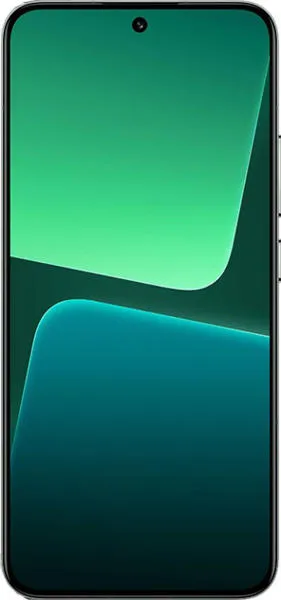

Xiaomi 13 vs. Google Pixel 8: A Deep Dive for the Discerning Smartphone User
Hello, fellow tech explorers! Today, we're dissecting two compelling contenders in the smartphone arena: the Xiaomi 13 and the Google Pixel 8. I've spent some quality time with their specs and I'm here to translate the engineering jargon into real-world insights. Let's get started!
1. Specifications Breakdown
| Feature | Xiaomi 13 | Google Pixel 8 | Real-World Implications |
|---|---|---|---|
| Design | |||
| Dimensions (mm) | 152.8 x 71.5 x 8 | 150.5 x 70.8 x 8.9 | Pixel 8 is slightly smaller and thicker. Xiaomi 13 feels more compact in hand. |
| Weight (g) | 185 | 187 | Negligible difference in weight; both feel substantial and well-built. |
| Display | |||
| Size (inches) | 6.36 | 6.2 | Xiaomi 13 offers a slightly larger screen for more immersive content consumption. |
| Resolution (px) | 1080 x 2400 | 1080 x 2400 | Identical resolution, resulting in sharp visuals on both devices. |
| Panel Type | AMOLED, 120Hz | OLED, 120Hz | Both offer smooth scrolling and vibrant colors. AMOLED generally delivers deeper blacks and higher contrast. |
| Peak Brightness | 1900 nits | 2000 nits | Pixel 8 boasts slightly higher peak brightness, potentially improving outdoor visibility. |
| Performance | |||
| Chipset | Snapdragon 8 Gen 2 | Google Tensor G3 | Snapdragon 8 Gen 2 generally benchmarks higher in raw performance, but Tensor G3 excels in AI and machine learning tasks. |
| CPU | Octa-core (up to 3.2 GHz) | Nona-core (up to 3.0 GHz) | Both offer ample processing power for demanding applications and multitasking. Real-world performance differences might be subtle. |
| RAM | 8GB/12GB | 8GB | Xiaomi 13 offers a 12GB RAM option for even more aggressive multitasking. |
| Camera | |||
| Main Sensor | 50MP (Sony IMX800) | 50MP (Samsung GNV) | Both feature high-resolution sensors promising excellent detail. Real-world image quality depends on processing and tuning. |
| DxOMark Score | 130 | 148 | Pixel 8 scores significantly higher, indicating superior overall camera performance according to DxOMark's testing. |
| Battery Life | |||
| Capacity (mAh) | 4500 | 4575 | Very similar battery capacities; real-world battery life will depend on usage patterns and software optimization. |
| OS | Android 13 | Android 14 | Pixel 8 ships with the latest Android version and benefits from longer software support directly from Google. |
2. Key Insights
The Xiaomi 13 leans towards raw power and a slightly larger display. Its Snapdragon 8 Gen 2 chip promises top-tier performance for gaming and demanding tasks. The Leica-tuned camera system holds potential but lags behind the Pixel in DxOMark scores.
The Google Pixel 8, despite having a slightly less powerful CPU on paper, shines in its camera capabilities and AI-driven features. The Tensor G3 chip enables unique computational photography features and ensures a smooth, optimized Android experience with guaranteed updates for years to come.
3. User Profiles and Recommendations
Xiaomi 13: Power users, gamers, and those seeking a larger display will appreciate the Xiaomi 13. Its performance prowess and aggressive pricing make it a compelling value proposition.
Google Pixel 8: Photography enthusiasts, users prioritizing software updates and AI features, and those seeking a clean Android experience will gravitate towards the Pixel 8.
4. Buying Decision Framework
- What matters most? Raw performance and a larger screen, or a superior camera and seamless software experience?
- What's your budget? The Pixel 8 offers a compelling price-to-performance ratio. The Xiaomi 13, while more expensive in some configurations, offers more RAM.
- How long do you plan to keep your phone? The Pixel 8's guaranteed software updates make it a better long-term investment.
My Choice: Google Pixel 8
While the Xiaomi 13 boasts impressive hardware, I'd choose the Google Pixel 8. The deciding factors for me are the superior camera performance as evidenced by the DxOMark score, the clean Android experience with guaranteed long-term updates, and the Tensor G3's AI capabilities. I value a phone that intelligently assists me, captures stunning photos effortlessly, and remains up-to-date with the latest software innovations. While benchmarks are important, the Pixel's real-world performance, coupled with its camera prowess and software advantages, makes it the more compelling device for my needs.
