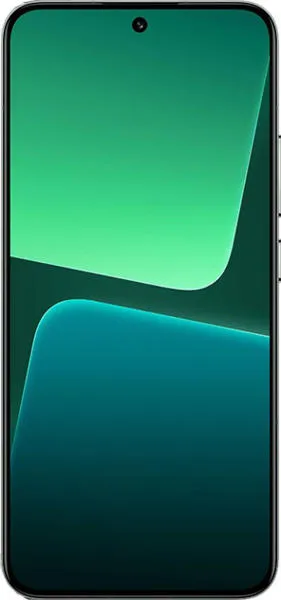
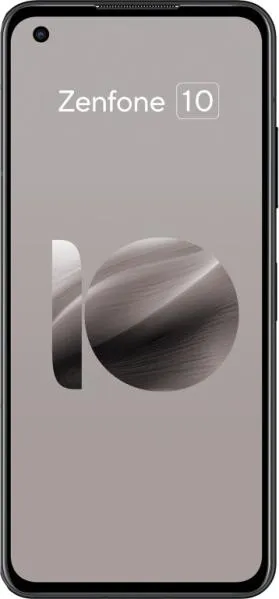
Xiaomi 13 vs. Asus Zenfone 10: A Deep Dive for the Discerning Smartphone User
Hello fellow tech explorers! Alex Griffin here, ready to dissect the Xiaomi 13 and the Asus Zenfone 10. Both phones boast impressive specs powered by the Snapdragon 8 Gen 2, but as we'll see, the devil is in the details. Let's dive into a head-to-head comparison that goes beyond the spec sheet and explores what these differences truly mean for you.
1. Specifications Breakdown
| Feature | Xiaomi 13 | Asus Zenfone 10 | Real-World Implications |
|---|---|---|---|
| Design | |||
| Dimensions (mm) | 152.8 x 71.5 x 8.0 | 146.5 x 68.1 x 9.4 | Zenfone 10 is noticeably smaller and more pocketable, but slightly thicker. |
| Weight (g) | 185 | 172 | Zenfone 10 feels lighter in hand, reducing fatigue during extended use. |
| Display | |||
| Size (inches) | 6.36 | 5.92 | Xiaomi 13 offers a larger screen for media consumption; Zenfone 10 prioritizes one-handed usability. |
| Resolution (px) | 1080 x 2400 | 1080 x 2400 | Identical sharpness due to the smaller size of the Zenfone 10's display resulting in higher pixel density. |
| Refresh Rate (Hz) | 120 | 144 | Zenfone 10's higher refresh rate delivers smoother animations and scrolling, especially noticeable in gaming. |
| Peak Brightness (nits) | 1900 | 1100 | Xiaomi 13's display is significantly brighter, ensuring excellent outdoor visibility. |
| Performance | |||
| Chipset | Snapdragon 8 Gen 2 | Snapdragon 8 Gen 2 | Identical processing power, ensuring top-tier performance in both devices. |
| RAM (GB) | 8/12 | 8/16 | Zenfone 10 offers a 16GB RAM option for even more aggressive multitasking. |
| Camera | |||
| Main Sensor (MP) | 50 (IMX800) | 50 (IMX766) | Both use excellent sensors; IMX800 potentially offers slightly better low-light performance. |
| OIS | Yes | Yes with Gimbal | Zenfone 10's 6-axis gimbal stabilization promises superior video stability. |
| Battery Life | |||
| Capacity (mAh) | 4500 | 4300 | Xiaomi 13's larger battery likely translates to longer usage time. Real-world battery life depends heavily on usage patterns. |
2. Key Insights
- Size and Handling: The Zenfone 10 is a compact powerhouse, ideal for one-handed use. The Xiaomi 13 is larger, catering to those who prioritize screen real estate.
- Display Quality: While both displays are sharp, the Zenfone 10's 144Hz refresh rate provides a tangible smoothness advantage. However, the Xiaomi 13's superior brightness wins outdoors.
- Performance Prowess: With the same chipset, performance differences will likely be negligible in everyday tasks. The Zenfone 10's 16GB RAM option could provide a slight edge in heavy multitasking.
- Camera Capabilities: The Zenfone 10's gimbal stabilization system is a game-changer for video recording, promising incredibly smooth footage. Xiaomi 13's main sensor, the IMX800, might deliver slightly improved image quality, particularly in challenging lighting conditions.
3. User Profiles and Recommendations
- Xiaomi 13: Suited for users who prefer a larger display for media consumption, gaming, and productivity, and value a brighter screen for outdoor use.
- Asus Zenfone 10: Perfect for those seeking a compact, powerful phone with a smooth display and exceptional video stabilization. Its smaller size makes it incredibly pocketable and easy to use with one hand.
4. Buying Decision Framework
- Do you prioritize one-handed usability and portability? If yes, the Zenfone 10 is the clear winner.
- Is a super-smooth display or exceptional video stabilization crucial? The Zenfone 10 excels in both areas.
- Do you need the absolute brightest display possible for outdoor use? The Xiaomi 13 shines in this regard.
My Choice: The Asus Zenfone 10
While both are excellent phones, I would choose the Asus Zenfone 10. As someone who values portability and a smooth user experience, the Zenfone 10's compact form factor and 144Hz display are incredibly appealing. The innovative gimbal stabilization is a huge bonus for capturing life's moments on the go. While I appreciate the Xiaomi 13's brighter display and slightly larger battery, the Zenfone 10's unique strengths better align with my personal preferences and usage patterns. The slightly lower price point for comparable specs further solidifies its value proposition for me.
