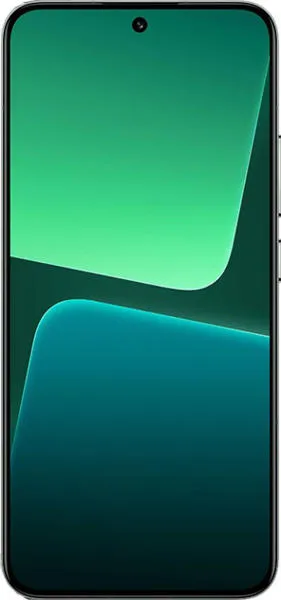
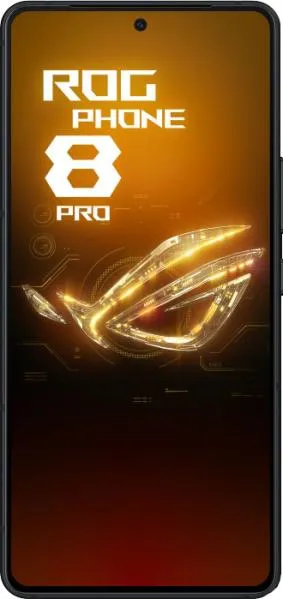
Xiaomi 13 vs. Asus ROG Phone 8 Pro: A Deep Dive
Let's dissect the Xiaomi 13 and the Asus ROG Phone 8 Pro, two powerful smartphones catering to different needs. We'll go beyond the spec sheet to understand what these numbers mean for you.
1. Specifications Breakdown
| Feature | Xiaomi 13 | Asus ROG Phone 8 Pro | Real-World Implications |
|---|---|---|---|
| Design | |||
| Dimensions (mm) | 152.8 x 71.5 x 8 | 163.8 x 76.8 x 8.9 | ROG Phone 8 Pro is larger and heavier, potentially less pocketable. |
| Weight (g) | 185 | 225 | Xiaomi 13 is significantly lighter, more comfortable for extended use. |
| Display | |||
| Size (inches) | 6.36 | 6.78 | ROG Phone 8 Pro offers a larger screen for immersive media consumption. |
| Resolution (px) | 1080 x 2400 | 1080 x 2400 | Both have sharp displays, but Xiaomi 13 has slightly higher pixel density due to smaller size. |
| Refresh Rate (Hz) | 120 | 165 | ROG Phone 8 Pro's higher refresh rate results in smoother animations and scrolling. |
| Display Type | AMOLED | LTPO AMOLED | ROG Phone 8 Pro's LTPO panel enables dynamic refresh rate adjustment for better battery efficiency. |
| Peak Brightness | 1900 nits | 2500 nits | ROG Phone 8 Pro is brighter, improving outdoor visibility. |
| Performance | |||
| Chipset | Snapdragon 8 Gen 2 | Snapdragon 8 Gen 3 | ROG Phone 8 Pro boasts a newer, more powerful processor, leading to faster performance. |
| CPU | Octa-core (3.2 GHz) | Octa-core (3.3 GHz) | ROG Phone 8 Pro has a slightly higher clock speed, translating to marginal performance gains. |
| RAM (GB) | 8/12 | 16/24 | ROG Phone 8 Pro offers significantly more RAM for heavy multitasking and gaming. |
| Camera | |||
| Main Sensor | 50MP Sony IMX800 | 50MP Sony IMX890 | Both have excellent main sensors; IMX890 on ROG Phone 8 Pro might offer slight improvements. |
| Telephoto | 3.2x optical | 3x Optical | Both have telephoto lenses with minor differences. |
| Battery Life | |||
| Capacity (mAh) | 4500 | 5500 | ROG Phone 8 Pro has a larger battery, potentially lasting longer on a single charge. |
2. Key Insights
- Performance Powerhouse: The ROG Phone 8 Pro is built for speed, with the latest Snapdragon processor and ample RAM. This translates to blazing-fast performance in demanding games and applications. The Xiaomi 13 is no slouch, but the ROG Phone 8 Pro edges out in raw power.
- Display Differences: While both phones offer great displays, the ROG Phone 8 Pro's higher refresh rate and peak brightness provide a noticeably smoother and more vibrant visual experience, especially for gaming. The Xiaomi 13's smaller display might be preferred by those seeking a more compact device.
- Battery Endurance: The ROG Phone 8 Pro's larger battery capacity suggests longer battery life. However, real-world usage will depend on factors like screen brightness and refresh rate settings.
3. User Profiles and Recommendations
- Xiaomi 13: Ideal for users seeking a balanced flagship experience with a sleek design, excellent camera, and strong performance in a compact form factor. Great for everyday use, social media, photography, and moderate gaming.
- Asus ROG Phone 8 Pro: Designed for hardcore mobile gamers and power users who demand the absolute best performance, a stunning display, and extended battery life. The gaming-centric features and robust hardware make it a mobile gaming beast.
4. Buying Decision Framework
- What's your primary use case? Everyday tasks and moderate gaming? Choose the Xiaomi 13. Intense gaming and heavy multitasking? Opt for the ROG Phone 8 Pro.
- How important is portability? The lighter and smaller Xiaomi 13 might be preferred if pocket-friendliness is a priority.
- What's your budget? The Xiaomi 13 generally falls into a higher price bracket than the ROG Phone 8, which is now considered mid-range. Consider your budget constraints.
My Choice
Personally, I'd choose the Xiaomi 13. While I appreciate the raw power of the ROG Phone 8 Pro, the Xiaomi 13 strikes a better balance for my needs. Its more compact size, lighter weight, and sleek design are more appealing for everyday carry. The performance is still excellent for my usage, which involves a mix of productivity, content consumption, and occasional gaming. While the ROG Phone 8 Pro offers a superior gaming experience, I prioritize portability and daily usability. The Xiaomi 13 excels in these areas while still delivering a premium flagship experience. Finally, the lower price of the Xiaomi 13 compared to the ROG Phone 8 Pro seals the deal for me. It offers exceptional value for its price, making it the smarter choice for my needs.
