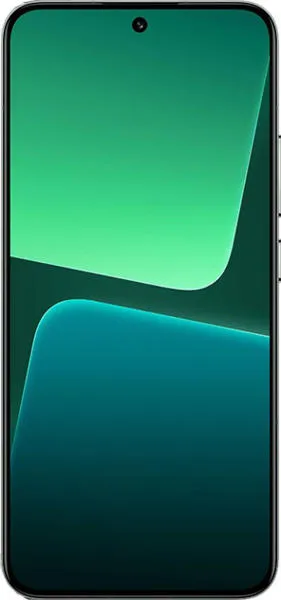
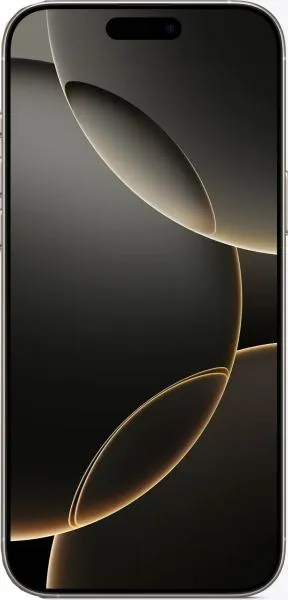
Xiaomi 13 vs. Apple iPhone 16 Pro Max: A Deep Dive
Hello fellow tech enthusiasts! Today, we're dissecting two titans of the smartphone arena: the Xiaomi 13 and the Apple iPhone 16 Pro Max. We'll go beyond the spec sheets to uncover what these numbers truly mean for you, the user. Let's dive in!
1. Specifications Breakdown
| Feature | Xiaomi 13 | Apple iPhone 16 Pro Max | Real-World Implications |
|---|---|---|---|
| Design | |||
| Dimensions (mm) | 152.8 x 71.5 x 8 | 163 x 77.6 x 8.3 | iPhone 16 Pro Max is noticeably larger and heavier. |
| Weight (g) | 185 | 227 | Xiaomi 13 is significantly lighter and more pocketable. |
| Display | |||
| Size (inches) | 6.36 | 6.9 | iPhone boasts a larger screen for immersive content. |
| Resolution | 1080 x 2400 | 1320 x 2868 | iPhone offers a sharper display with higher pixel density (460 ppi vs 414 ppi). |
| Refresh Rate (Hz) | 120 | 120 | Both offer smooth scrolling and animations. Xiaomi 13's AMOLED potentially allows for deeper blacks and more vibrant colors. |
| Display Type | AMOLED | LTPO OLED | iPhone's LTPO allows for dynamic refresh rate adjustment, potentially saving battery. |
| Peak Brightness (nits) | 1900 | 2000 | iPhone 16 Pro Max can get slightly brighter outdoors. |
| Performance | |||
| Chipset | Snapdragon 8 Gen 2 | Apple A18 Pro | Both are flagship chipsets, promising top-tier performance. Real-world differences may be subtle and application-specific. |
| CPU | Octa-core | Hexa-core | Core count differences are less relevant than architectural efficiency and optimization. |
| RAM (GB) | 8/12 | 8 | Xiaomi offers a 12GB RAM option for potentially better multitasking, though iOS' memory management often negates this advantage. |
| Camera | |||
| Main Camera (MP) | 54 | 48 | Megapixel count isn't everything; sensor size, aperture, and processing play a crucial role. |
| Ultrawide (MP) | 13 | 48 | Significant difference in ultrawide resolution, favoring the iPhone for detail and versatility. |
| Telephoto (MP) | 10 | 12 | Similar telephoto capabilities, though specific zoom levels and optical stabilization may differ. |
| DXOMARK Score | 130 | 157 | iPhone 16 Pro Max scores significantly higher, suggesting superior overall camera performance. |
| Battery Life | |||
| Capacity (mAh) | 4500 | 4685 | iPhone has a slightly larger battery. Actual battery life depends heavily on usage patterns and software optimization. |
2. Key Insights
- Performance: Both phones are performance powerhouses. The A18 Pro in the iPhone is likely to edge out the Snapdragon in benchmarks, but real-world differences will be minimal for most users.
- Display: The iPhone 16 Pro Max offers a larger, sharper display with LTPO technology for better power efficiency. However, Xiaomi's AMOLED display could deliver richer colors.
- Camera: Based on DXOMARK scores, the iPhone 16 Pro Max appears to have a significantly better camera system, particularly in low-light and video recording scenarios. The higher resolution ultrawide sensor is a major advantage.
- Portability: The Xiaomi 13 is lighter and smaller, making it easier to handle and carry. This could be a deciding factor for users who prioritize one-handed use.
3. User Profiles and Recommendations
- Xiaomi 13: Best for users seeking a compact, powerful Android phone with a strong emphasis on value. It's a great option for those who prefer the Android ecosystem and prioritize a lighter, more pocketable device.
- iPhone 16 Pro Max: Ideal for users who demand the best possible camera system and a large, immersive display. The iOS ecosystem, long-term software support, and potential performance advantages make it a premium choice.
4. Buying Decision Framework
- What is your budget? The iPhone 16 Pro Max commands a significantly higher price.
- Which operating system do you prefer? This is a fundamental choice between Android and iOS ecosystems.
- What are your priorities? Compactness and value (Xiaomi) vs. Camera performance and large display (iPhone).
My Choice: The iPhone 16 Pro Max
While I admire the Xiaomi 13 for its compact design and value proposition, I would personally choose the iPhone 16 Pro Max. As a tech journalist who frequently captures photos and videos, the superior camera system of the iPhone is a major draw. The larger, sharper display enhanced by LTPO technology is also a compelling advantage for content consumption and productivity. While the price premium is substantial, the combination of performance, camera capabilities, display quality, and the robust iOS ecosystem ultimately justifies the investment for my specific needs. However, I fully acknowledge that the Xiaomi 13 represents an excellent value proposition for users with different priorities.
