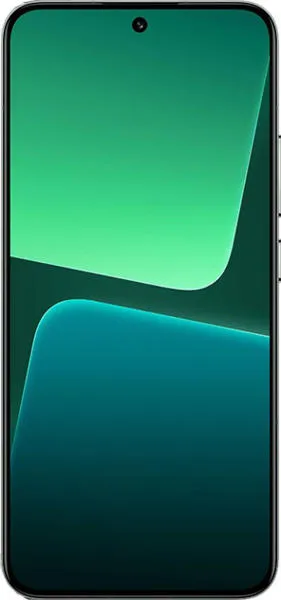
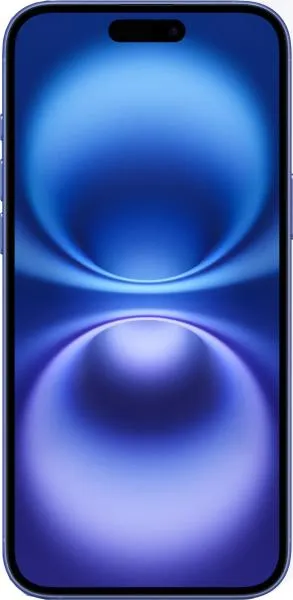
Xiaomi 13 vs. Apple iPhone 16 Plus: A Deep Dive
Hello, fellow tech enthusiasts! Today, we're dissecting two compelling smartphones: the Xiaomi 13 and the Apple iPhone 16 Plus. Let's dive into the specs, uncover the real-world implications, and see which phone reigns supreme.
1. Specifications Breakdown
| Feature | Xiaomi 13 | Apple iPhone 16 Plus | Real-World Implications | |||||
|---|---|---|---|---|---|---|---|---|
| Design | ||||||||
| Dimensions (mm) | 152.8 x 71.5 x 8 | 160.9 x 77.8 x 7.8 | Xiaomi 13 is noticeably more compact, potentially easier for one-handed use. | |||||
| Weight (g) | 185 | 199 | Lighter Xiaomi 13 enhances portability. | |||||
| Display | ||||||||
| Size (inches) | 6.36 | 6.7 | iPhone 16 Plus offers a larger screen for immersive media consumption. | |||||
| Resolution (px) | 1080 x 2400 | 1290 x 2796 | iPhone 16 Plus boasts sharper visuals due to higher resolution and pixel density. | |||||
| Refresh Rate (Hz) | 120 | Unspecified (likely 60Hz or 120Hz) | Xiaomi 13's 120Hz ensures smoother scrolling and animations. iPhone's refresh rate is uncertain. | |||||
| Peak Brightness | 1900 nits | 2000 nits | Both offer excellent outdoor visibility, with a slight edge to the iPhone 16 Plus. | Type | AMOLED | OLED (Super Retina XDR) | Both technologies deliver vibrant colors and deep blacks. Practical differences might be subtle. | |
| Performance | ||||||||
| Chipset | Snapdragon 8 Gen 2 (4 nm) | Apple A18 (3 nm) | Both are flagship chipsets, promising top-tier performance. A18's newer fabrication process could yield efficiency gains. | |||||
| CPU | Octa-core (up to 3.2 GHz) | Hexa-core (up to 4.04 GHz) | Both CPUs should handle demanding tasks with ease. Clock speed differences don't directly translate to real-world performance due to architectural variances. | |||||
| GPU | Adreno 740 | Apple GPU (5-core) | Gaming performance should be excellent on both. Real-world benchmarks will determine the winner. | |||||
| RAM | 8GB/12GB | 8GB | Xiaomi 13 offers a 12GB RAM option for potentially enhanced multitasking. | |||||
| Camera | ||||||||
| Main Camera (MP) | 50 MP (Sony IMX800) | 48 MP (Sony IMX904) | Both utilize high-resolution sensors for detailed photos. Sensor size and processing will play a larger role in image quality. | |||||
| Ultrawide (MP) | 12 MP | 12 MP | Comparable ultrawide capabilities expected. | |||||
| Telephoto (MP) | 10 MP | No dedicated telephoto listed in provided specs | Xiaomi 13 offers optical zoom, a significant advantage for versatility. | |||||
| Battery Life | ||||||||
| Capacity (mAh) | 4500 | 4674 | iPhone 16 Plus has a slightly larger battery. Real-world battery life depends heavily on optimization. |
2. Key Insights
- Size and Portability: The Xiaomi 13 is significantly smaller and lighter, making it ideal for one-handed use and pocket portability. The iPhone 16 Plus caters to those who prioritize a larger screen for media consumption.
- Performance Powerhouse: Both phones pack flagship-level processing power. The newer 3nm architecture of the A18 chip in the iPhone 16 Plus might offer better energy efficiency, but real-world performance differences will likely be subtle for most users.
- Camera Advantage for Xiaomi: The Xiaomi 13's dedicated telephoto lens provides optical zoom, offering greater versatility for capturing distant subjects. The iPhone 16 Plus relies on digital zoom, which typically results in lower quality images when zoomed in.
- Display Delight: While the iPhone 16 Plus boasts a slightly higher resolution and peak brightness, both displays utilize advanced technologies (AMOLED and OLED) that deliver vibrant colors and excellent contrast. The Xiaomi 13's confirmed 120Hz refresh rate ensures a smoother user experience, whereas this spec is missing for the iPhone.
3. User Profiles and Recommendations
- Xiaomi 13: Best suited for users who value a compact and lightweight design, a smooth 120Hz display, and a versatile camera system with optical zoom. Excellent choice for those who prioritize one-handed usability and portability without compromising on performance.
- iPhone 16 Plus: Ideal for users who crave a large, immersive display for media consumption and gaming. A strong contender for those entrenched in the Apple ecosystem and prioritize seamless integration with other Apple devices.
4. Buying Decision Framework
- Do you prioritize a compact phone for easy one-handed use or a larger screen for immersive media? Compact: Xiaomi 13. Larger Screen: iPhone 16 Plus.
- Is a telephoto lens with optical zoom important for your photography needs? Yes: Xiaomi 13. Not crucial: iPhone 16 Plus.
- Which operating system do you prefer: Android or iOS? Android: Xiaomi 13. iOS: iPhone 16 Plus.
My Choice: The Xiaomi 13
While the iPhone 16 Plus is undeniably a strong contender, I would personally choose the Xiaomi 13. The combination of its compact form factor, confirmed 120Hz refresh rate for smooth scrolling, versatile camera system with a dedicated telephoto lens, and powerful Snapdragon 8 Gen 2 processor makes it a compelling package. As someone who values both performance and portability, the Xiaomi 13 strikes the perfect balance for my needs. The slightly higher resolution of the iPhone 16 Plus's display isn't enough to sway me given the Xiaomi's other advantages. I also appreciate having a dedicated telephoto lens for greater photographic flexibility.
