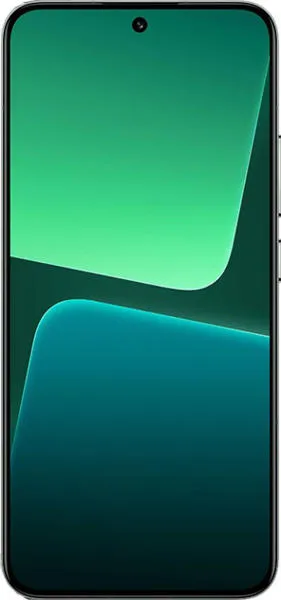
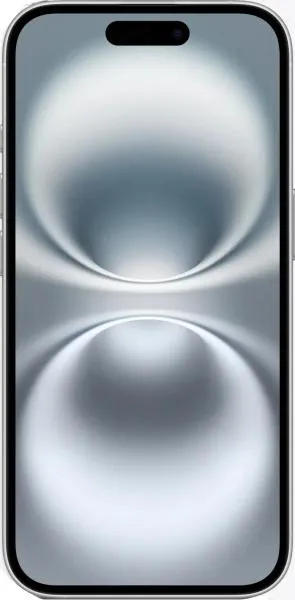
Xiaomi 13 vs. Apple iPhone 16: A Deep Dive for the Discerning User
The smartphone landscape is constantly evolving, with new contenders vying for your attention. Today, we'll dissect two compelling devices: the Xiaomi 13 and the Apple iPhone 16. We'll go beyond the spec sheet, translating technical jargon into real-world implications to help you decide which phone fits your lifestyle.
1. Specifications Breakdown
| Feature | Xiaomi 13 | Apple iPhone 16 | Real-World Implications |
|---|---|---|---|
| Design | |||
| Dimensions (mm) | 152.8 x 71.5 x 8 | 147.6 x 71.6 x 7.8 | Xiaomi 13 slightly taller and wider; iPhone 16 thinner. Negligible difference in hand feel for most users. |
| Weight (g) | 185 | 170 | iPhone 16 noticeably lighter, reducing hand fatigue during extended use. |
| Display | |||
| Size (inches) | 6.36 | 6.1 | Xiaomi 13 offers a larger screen for more immersive media consumption. |
| Resolution (px) | 1080 x 2400 | 1179 x 2556 | iPhone 16 boasts sharper visuals due to higher pixel density (460 ppi vs. 414 ppi). |
| Type | AMOLED, 120Hz, Dolby Vision, HDR10+ | Super Retina XDR OLED, HDR10, Dolby Vision | Both offer vibrant colors and deep blacks; Xiaomi 13 has a faster refresh rate for smoother animations. |
| Peak Brightness | 1900 nits | 2000 nits | iPhone 16 slightly brighter in direct sunlight. |
| Performance | |||
| Chipset | Snapdragon 8 Gen 2 (4 nm) | Apple A18 (3 nm) | Both are flagship processors, promising top-tier performance. A18 expected to lead in benchmarks. |
| CPU | Octa-core (1x3.2 GHz + 2x2.8 GHz + ...) | Hexa-core (2x4.04 GHz + 4x2.20 GHz) | Specific core configurations suggest different performance optimization strategies. Real-world usage will determine true differences. |
| GPU | Adreno 740 | Apple GPU (5-core) | Both GPUs designed for demanding tasks and gaming; Apple's GPU historically strong in graphics performance. |
| RAM | 8GB | 8GB | Equivalent RAM capacity should ensure smooth multitasking on both devices. |
| Camera | |||
| Main Sensor | 54MP Sony IMX800 | 48MP Sony IMX904 | Both utilize high-resolution sensors. Sensor size and image processing will determine final image quality. |
| Ultrawide | 13MP Omnivision OV13B10 | 12MP Sony IMX633 | Similar ultrawide capabilities; real-world performance depends on lens quality and software processing. |
| Telephoto | 10MP Samsung S5K3K1 | 2x Optical Zoom - sensor details missing | Xiaomi 13 has a dedicated telephoto lens; iPhone 16 relies on optical zoom with its main sensor. |
| Battery Life | |||
| Capacity (mAh) | 4500 | 3561 | Xiaomi 13 has a significantly larger battery, likely resulting in longer usage time. |
2. Key Insights
- Performance: Both phones promise flagship-level speed. The iPhone 16's A18 chip might edge out in benchmarks, but real-world differences are likely to be subtle for most users.
- Display: Xiaomi 13's 120Hz display delivers smoother scrolling and animations. iPhone 16 counters with a slightly higher resolution and peak brightness.
- Camera: Both feature impressive camera systems. Xiaomi offers a dedicated telephoto lens, while iPhone 16 boasts a larger main sensor and advanced computational photography.
- Battery: The Xiaomi 13's larger battery capacity suggests significantly longer battery life.
3. User Profiles and Recommendations
- Xiaomi 13: Ideal for power users who prioritize battery life, a smooth display, and a versatile camera system.
- iPhone 16: Suitable for users entrenched in the Apple ecosystem who value a compact design, sharp display, and top-tier performance.
4. Buying Decision Framework
- How important is battery life? If all-day endurance is crucial, the Xiaomi 13 is the clear winner.
- Are you invested in the Apple ecosystem? Seamless integration with other Apple devices favors the iPhone 16.
- What is your budget? Considering price differences within storage options is vital.
My Choice: As a tech journalist who values performance, battery life, and a fluid user experience, I'd lean towards the Xiaomi 13. Its larger battery, 120Hz display, and versatile camera system are compelling. While the iPhone 16 offers a strong package, the Xiaomi 13 better suits my specific needs and priorities. The significant difference in battery capacity is a deciding factor for me, as is the price difference for similar storage options. While Apple's A18 chip may offer performance gains, my daily workflow doesn't demand the absolute bleeding edge, making the Xiaomi 13's overall package more attractive.
