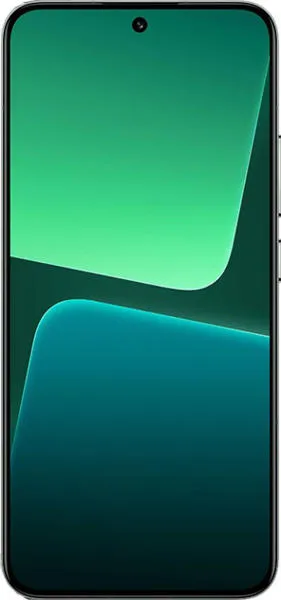
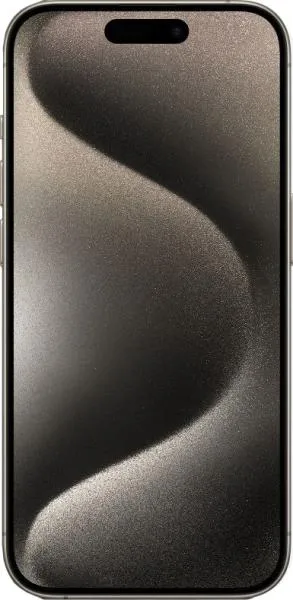
Xiaomi 13 vs. Apple iPhone 15 Pro: A Deep Dive for the Discerning User
The smartphone landscape is a battlefield of innovation, and today we're analyzing two formidable contenders: the Xiaomi 13 and the Apple iPhone 15 Pro. Both boast impressive specs, but how do they translate into real-world performance? Let's dissect the details and uncover what matters most to you, the user.
1. Specifications Breakdown
| Feature | Xiaomi 13 | Apple iPhone 15 Pro | Real-World Implications |
|---|---|---|---|
| Design | |||
| Dimensions (mm) | 152.8 x 71.5 x 8 | 146.6 x 70.6 x 8.3 | iPhone 15 Pro is slightly smaller and thinner, potentially more pocketable. |
| Weight (g) | 185 | 187 | Negligible weight difference; both feel substantial in hand. |
| Build Materials | Glass front/back, aluminum frame | Titanium frame, glass front/back | Titanium offers superior durability and scratch resistance on the iPhone 15 Pro. |
| Display | |||
| Size (inches) | 6.36 | 6.1 | Xiaomi 13 offers a larger screen for media consumption. |
| Resolution (px) | 1080 x 2400 | 1179 x 2556 | iPhone 15 Pro boasts a sharper display with higher pixel density (461 vs 414 ppi). |
| Refresh Rate (Hz) | 120 | 120 | Both offer smooth scrolling and animations. |
| Display Type | AMOLED | LTPO Super Retina XDR OLED | iPhone's LTPO panel allows for dynamic refresh rate adjustment, potentially saving battery. |
| Peak Brightness | 1900 nits | 2000 nits | iPhone 15 Pro can get slightly brighter for better outdoor visibility. |
| Performance | |||
| Chipset | Snapdragon 8 Gen 2 | A17 Pro | Both are flagship processors, but Apple's A17 Pro generally leads in benchmarks. |
| RAM (GB) | 8/12 | 8 | Xiaomi offers a 12GB RAM option for potentially smoother multitasking. |
| OS | Android 13 | iOS 17 | Preference-dependent; both offer mature ecosystems with distinct advantages. |
| Camera | |||
| Main Camera (MP) | 50MP (IMX800) | 48MP (IMX803) | Both excel in image quality; sensor size and processing play a larger role than megapixels. |
| Ultrawide (MP) | 13MP | 12MP | Minor difference in resolution; real-world performance depends on lens quality and processing. |
| Telephoto (MP) | 10MP | 12MP | iPhone 15 Pro might offer slightly better zoom capabilities with a higher resolution sensor. |
| Battery Life | |||
| Capacity (mAh) | 4500 | 3274 | Xiaomi 13 has a significantly larger battery, likely resulting in longer usage time. |
| Charging | 67W Wired, 50W Wireless | MagSafe and Qi wireless charging | Xiaomi offers substantially faster wired charging. iPhone 15 Pro introduces USB-C port but lacks specific charging speeds in the provided data. |
2. Key Insights
- Performance: The A17 Pro in the iPhone 15 Pro generally edges out the Snapdragon 8 Gen 2 in benchmarks, but both deliver top-tier performance for demanding tasks and gaming. Xiaomi's 12GB RAM option might provide a slight advantage in multitasking.
- Display: While the Xiaomi 13 offers a larger canvas, the iPhone 15 Pro's LTPO display strikes a balance between high refresh rate and power efficiency. Its higher peak brightness also improves outdoor visibility.
- Camera: Both phones feature impressive camera systems. Megapixel counts are close, but sensor size, lens quality, and image processing will ultimately determine the real-world winner. DxOMark scores suggest a significant advantage for the iPhone 15 Pro in both overall camera and selfie performance. Further hands-on testing is needed to confirm these results in diverse shooting scenarios.
- Battery: The Xiaomi 13's significantly larger battery capacity suggests a clear advantage in longevity. However, Apple's A17 Pro chip and the iPhone's LTPO display could contribute to better power optimization. Xiaomi's faster charging speeds are a definite plus for users who prioritize quick top-ups.
3. User Profiles and Recommendations
Xiaomi 13: Ideal for users who prioritize a large display, long battery life, and fast charging. Android enthusiasts and those seeking a strong value proposition will find the Xiaomi 13 appealing. Power users who frequently multitask may also appreciate the 12GB RAM option.
Apple iPhone 15 Pro: Best suited for users deeply ingrained in the Apple ecosystem who value a premium build, a vibrant and efficient display, and a top-performing camera system. The iPhone 15 Pro is a compelling choice for those seeking a polished and refined user experience.
4. Buying Decision Framework
Which operating system do you prefer? This is a fundamental question that often dictates the choice between Android and iOS.
What's your budget? The iPhone 15 Pro typically commands a higher price than the Xiaomi 13. Consider the price-to-value ratio based on your individual needs.
What are your priorities? Larger display and battery? Raw performance and camera quality? Premium build and seamless ecosystem integration? Identifying your core needs will guide you towards the best fit.
My Choice: The iPhone 15 Pro
While the Xiaomi 13 offers compelling features and a more attractive price, I would choose the iPhone 15 Pro. My decision hinges on a few key factors:
- Ecosystem Integration: Being heavily invested in the Apple ecosystem, the seamless integration across devices is a major draw for me.
- Camera Performance: While real-world comparisons are needed, the DxOMark scores and Apple's consistent track record in camera technology suggest the iPhone 15 Pro offers a superior imaging experience.
- Premium Build and Design: The titanium frame adds a level of durability and refinement that appeals to me.
- LTPO Display Technology: The power efficiency benefits of the LTPO display align with my preference for a device that can keep up with my daily demands without constant charging.
While the Xiaomi 13's larger battery and faster charging are tempting, the iPhone 15 Pro's overall package aligns more closely with my personal priorities and usage patterns. Ultimately, the "best" phone is subjective and depends entirely on your individual needs and preferences. This in-depth analysis should equip you with the knowledge to make the right choice for you.
