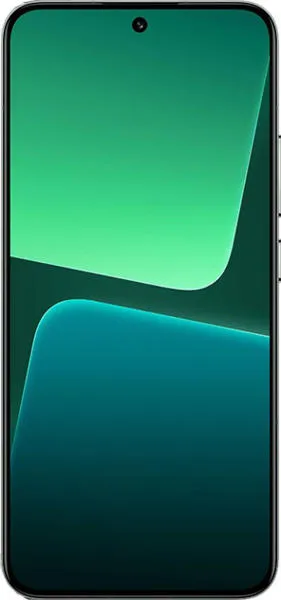
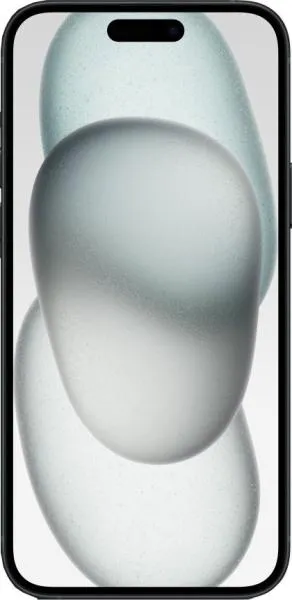
Xiaomi 13 vs. Apple iPhone 15 Plus: A Deep Dive for the Discerning User
The smartphone landscape is a battlefield, and two formidable contenders vying for your attention are the Xiaomi 13 and the Apple iPhone 15 Plus. As a tech journalist with an engineering background, I'm going to dissect these devices, translating their cold, hard specs into a warm, relatable narrative that empowers you to choose the perfect fit.
1. Specifications Breakdown
Let's get down to brass tacks with a detailed comparison table, highlighting not just the "what" but also the crucial "so what" of each specification.
| Feature | Xiaomi 13 | Apple iPhone 15 Plus | Real-World Implications |
|---|---|---|---|
| Design | |||
| Dimensions (mm) | 152.8 x 71.5 x 8 | 160.9 x 77.8 x 7.8 | Xiaomi 13 is noticeably more compact, potentially easier for one-handed use. |
| Weight (g) | 185 | 201 | iPhone 15 Plus is heavier, might feel more substantial but less comfortable for extended use. |
| Build Materials | Glass front/back, aluminum frame | Glass front/back, aluminum frame | Similar premium feel, durability depends on individual use and case choice. |
| Display | |||
| Size (inches) | 6.36 | 6.7 | iPhone 15 Plus offers a larger screen for media consumption and multitasking. |
| Resolution (px) | 1080 x 2400 | 1290 x 2796 | iPhone boasts sharper visuals due to higher pixel density (460 ppi vs 414 ppi). |
| Refresh Rate (Hz) | 120 | (Unspecified - likely 60Hz) | Xiaomi 13's 120Hz delivers smoother scrolling and animations, more responsive feel. |
| Peak Brightness | 1900 nits | 2000 nits | Both offer excellent outdoor visibility; iPhone 15 Plus slightly brighter. |
| Performance | |||
| Chipset | Snapdragon 8 Gen 2 | Apple A16 Bionic | Both are top-tier chipsets, expect blazing fast performance in day-to-day tasks. |
| RAM (GB) | 8/12 | 6 | While A16 is incredibly efficient, Xiaomi's higher RAM options might benefit power users. |
| Camera | |||
| Main Camera (MP) | 50MP (IMX800) | 48MP | Both excel in photography; real-world performance depends on image processing. |
| DXOMARK Score | 130 | 145 | iPhone 15 Plus scores higher overall in DXOMARK tests, indicating superior camera quality. |
| Battery | |||
| Capacity (mAh) | 4500 | 4383 | Xiaomi 13 has a slightly larger battery, but real-world battery life depends on usage patterns. |
2. Key Insights
The Xiaomi 13 shines with its compact form factor, incredibly smooth 120Hz display, and larger battery. Its Snapdragon 8 Gen 2 ensures flagship-level performance. The iPhone 15 Plus counters with a larger, sharper display, the potent A16 Bionic chip, and a demonstrably superior camera system according to DXOMARK. iOS offers a different ecosystem experience compared to Android.
3. User Profiles and Recommendations
Xiaomi 13: Ideal for users who prioritize a compact phone with a smooth, responsive display and potentially longer battery life. Android enthusiasts and those seeking a customizable experience will appreciate its flexibility.
iPhone 15 Plus: Best suited for users who value a large screen for media consumption, gaming, and multitasking. The iPhone's seamless integration with the Apple ecosystem and its strong camera performance make it a compelling choice for content creators and those seeking a simplified user experience.
4. Buying Decision Framework
Questions to Ask:
- Do you prioritize one-handed usability and a smoother display or a larger screen for media?
- Which operating system (iOS or Android) aligns better with your preferences and existing tech ecosystem?
- Is camera performance a paramount concern, or is overall performance and battery life more critical?
My Choice:
While both are impressive devices, I would choose the Xiaomi 13. Its compact size, 120Hz display, and larger battery align more closely with my personal preferences. I value a responsive and smooth user experience, and the slight trade-offs in camera performance and screen size are acceptable to me. Furthermore, the potential for longer battery life is a significant advantage in my daily usage. While the iPhone 15 Plus boasts a superior camera and the polished iOS experience, the Xiaomi 13's combination of performance, portability, and potentially longer battery life makes it the winner for me. This ultimately highlights the personal nature of choosing a smartphone - the "best" device truly depends on your individual needs and priorities.
