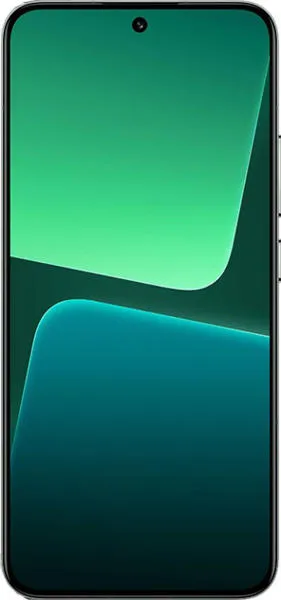
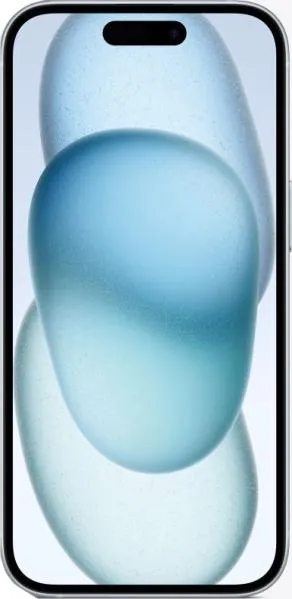
Xiaomi 13 vs. Apple iPhone 15: A Deep Dive
Let's cut through the marketing fluff and get down to brass tacks. As a tech journalist with an engineering background, I'm going to break down the Xiaomi 13 and iPhone 15, focusing on what truly matters: real-world performance and how these devices fit into your life.
1. Specifications Breakdown
| Feature | Xiaomi 13 | Apple iPhone 15 | Real-World Implications |
|---|---|---|---|
| Design | |||
| Dimensions (mm) | 152.8 x 71.5 x 8 | 147.6 x 71.6 x 7.8 | Xiaomi 13 slightly taller and wider; iPhone 15 marginally thinner. Negligible difference in hand. |
| Weight (g) | 185 | 171 | iPhone 15 noticeably lighter, enhancing one-handed use. |
| Build Materials | Aluminum frame, Gorilla Glass Victus front | Aluminum frame, glass front and back | Both offer premium build quality and durability. |
| Display | |||
| Size (inches) | 6.36 | 6.1 | Xiaomi 13 offers a slightly larger screen for media consumption. |
| Resolution | 1080 x 2400 | 1179 x 2556 | iPhone 15 boasts a sharper display with higher pixel density (461 ppi vs 414 ppi). |
| Refresh Rate | 120Hz AMOLED | OLED (Refresh rate not specified - assumed 60Hz) | Xiaomi 13's 120Hz delivers smoother scrolling and animations. |
| Peak Brightness | 1900 nits | 2000 nits | Both offer excellent outdoor visibility; iPhone 15 slightly brighter. |
| Performance | |||
| Chipset | Snapdragon 8 Gen 2 | Apple A16 Bionic | Both are flagship processors, promising top-tier performance. Benchmarking required for true comparison. |
| RAM | 8GB/12GB | 6GB | Xiaomi 13 offers higher RAM configurations, potentially benefiting multitasking. |
| Camera | |||
| Main Sensor | 50MP Sony IMX800 | 48MP Sony | Both offer high-resolution sensors for detailed photos. Real-world image quality depends on processing. |
| DXOMARK Score | 130 | 145 | iPhone 15 scores higher in DXOMARK, indicating superior overall camera performance. |
| Battery Life | |||
| Capacity | 4500 mAh | 3349 mAh | Xiaomi 13 has a significantly larger battery, suggesting longer usage time. |
2. Key Insights
- Performance Powerhouse: While both phones pack powerful processors, the Xiaomi 13's higher RAM options could provide a slight edge in demanding tasks and multitasking. The A16 in the iPhone 15, however, is no slouch and is likely optimized incredibly well with iOS.
- Display Dilemma: The iPhone 15's sharper screen delivers crisper visuals, while the Xiaomi 13's 120Hz refresh rate provides a noticeably smoother user experience. This is a classic trade-off between resolution and fluidity.
- Camera Prowess: The iPhone 15, with its higher DXOMARK score and Apple's renowned image processing, likely holds the advantage in overall camera quality. However, the Xiaomi 13's Leica-tuned lenses might offer a unique aesthetic. Real-world photo comparisons are crucial.
- Endurance Champion: The Xiaomi 13's substantially larger battery capacity suggests significantly longer battery life, a major advantage for power users.
3. User Profiles and Recommendations
- Xiaomi 13: Ideal for power users, multimedia enthusiasts, and Android loyalists who prioritize a large battery, smooth display, and customizable software experience.
- iPhone 15: Best suited for users entrenched in the Apple ecosystem who value a premium design, sharp display, top-tier camera performance, and seamless iOS integration.
4. Buying Decision Framework
- What is your budget? The Xiaomi 13 generally offers a more competitive price-to-performance ratio.
- What operating system do you prefer? This is a fundamental choice between Android's flexibility and iOS's simplicity.
- What are your priorities? Battery life, camera quality, display smoothness – identify your non-negotiables.
My Choice: The Xiaomi 13
For me, the Xiaomi 13 edges out the iPhone 15. As a tech enthusiast, I value the versatility of Android, the incredibly smooth 120Hz display, and the peace of mind offered by the larger battery. While the iPhone 15 boasts a great camera and premium design, the Xiaomi 13's combination of performance, battery life, and a more attractive price point makes it the more compelling device for my needs. I often push my phones hard, and the Xiaomi 13 seems better equipped to keep up. Ultimately, both are excellent phones, but the Xiaomi 13 better aligns with my personal priorities.
