1. Specifications Comparison
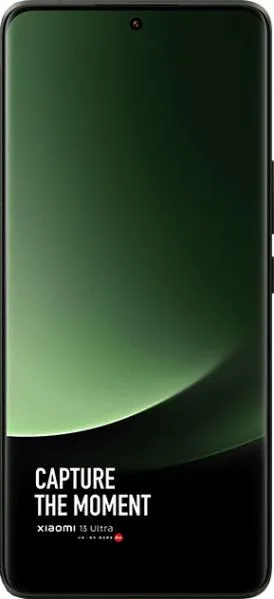
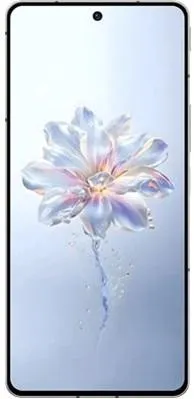
| Feature | Xiaomi 13 Ultra | ZTE nubia Z50S Pro | Practical Impact |
|---|---|---|---|
| Design | |||
| Dimensions (mm) | 163.2 x 74.6 x 9.1 | 163.9 x 76.3 x 8.3 | Z50S Pro slightly larger, thinner. Negligible difference in daily use. |
| Weight (g) | 227 | 228 | Virtually identical weight. |
| Build Materials | Not specified | Not specified | Cannot compare build quality and feel. |
| Display | |||
| Display Size (inches) | 6.73 | 6.8 | Z50S Pro slightly larger screen. |
| Resolution | 1440 x 3200 | 1260 x 2800 | 13 Ultra significantly sharper (522 ppi vs 452 ppi). Noticeably better detail in text and images. |
| Display Type | LTPO AMOLED | AMOLED | 13 Ultra's LTPO panel enables dynamic refresh rate for smoother scrolling and better battery life. |
| Peak Brightness (nits) | 2600 | 1200 | 13 Ultra far brighter, significantly improving outdoor visibility. |
| Color Depth | 68B | 1B | 13 Ultra offers much wider color gamut for more accurate and vibrant colors. |
| HDR | Dolby Vision, HDR10+ | Unspecified | 13 Ultra supports more advanced HDR standards for better video quality. |
| Performance | |||
| Chipset | Snapdragon 8 Gen 2 | Snapdragon 8+ Gen 2 | Z50S Pro has a slightly faster, more efficient processor. |
| CPU | Octa-core (up to 3.2 GHz) | Octa-core (up to 3.36 GHz) | Marginal CPU difference, unlikely to impact daily performance significantly. |
| GPU | Adreno 740 | Adreno 740 (719 MHz) | Z50S Pro's slightly higher clocked GPU may offer minor gaming advantages. |
| RAM | 12GB | 12GB | Identical RAM. |
| Storage | 256GB/512GB/1TB | 256GB/1TB | Both offer ample storage options. |
| Camera | |||
| Main Camera | 50MP, Sony IMX989, 1" sensor | 54MP, Sony IMX800, 1/1.49" sensor | 13 Ultra has larger sensor, potentially capturing more light and detail. |
| Other Cameras | 3x 50MP telephoto, 50MP wide + macro | 50MP ultrawide, 8MP telephoto | 13 Ultra has superior telephoto capabilities, while Z50S Pro offers ultrawide. |
| Battery | |||
| Capacity | 5000 mAh | 5100 mAh | Z50S Pro slightly larger battery, but real-world battery life depends on optimization. |
2. Key Differences Analysis
Xiaomi 13 Ultra Advantages:
- Superior Display: Significantly sharper, brighter, and with better color reproduction.
- Advanced Camera System: Larger main sensor and versatile telephoto lenses. Leica collaboration suggests superior image processing.
- Premium Features: Dolby Vision, LTPO display.
ZTE nubia Z50S Pro Advantages:
- Faster Processor: Slightly improved performance with Snapdragon 8+ Gen 2.
- Lower Price: Significantly more affordable.
- Larger Battery: Potentially longer battery life.
3. User Profiles & Recommendations
Xiaomi 13 Ultra: Ideal for users who prioritize display quality, camera performance, and premium features. Suitable for photography enthusiasts, content creators, and those seeking the best possible visual experience.
ZTE nubia Z50S Pro: Best suited for users seeking excellent performance at a more affordable price. Good for gamers, power users, and budget-conscious buyers who don't need the absolute best display or camera.
4. Decision Framework
Key Questions for Buyers:
- What is your budget? The price difference is substantial.
- What are your priorities? Display, camera, performance, or battery life?
- What are your typical use cases? Photography, gaming, content consumption, or general use?
My Choice: Xiaomi 13 Ultra
While the ZTE nubia Z50S Pro offers great value, the Xiaomi 13 Ultra's superior display and camera system are decisive factors for me. I prioritize image quality and a premium visual experience, making the 13 Ultra worth the higher price. The larger main sensor, Leica collaboration, and versatile telephoto lenses promise significantly better photographic capabilities. The brighter, sharper LTPO display significantly enhances daily usage and content consumption. Although the Z50S Pro boasts a slightly faster processor, the difference is unlikely to be noticeable in everyday tasks. Ultimately, the 13 Ultra offers a more compelling overall package for my needs.
