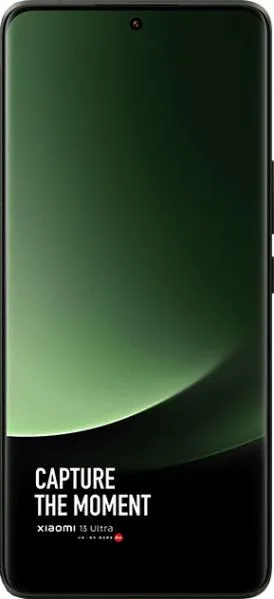
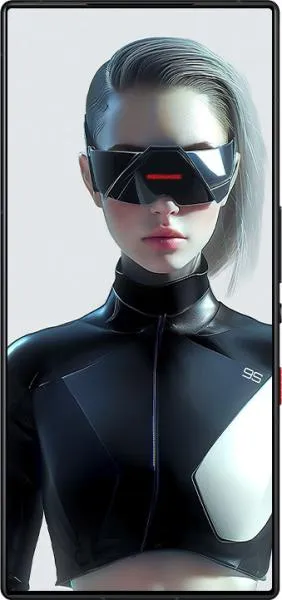
1. Specifications Comparison
| Feature | Xiaomi 13 Ultra | ZTE nubia Red Magic 9S Pro | Practical Impact |
|---|---|---|---|
| Design | |||
| Dimensions (mm) | 163.2 x 74.6 x 9.1 | 164 x 76.4 x 8.9 | Xiaomi is slightly smaller and thinner. Negligible difference in daily use. |
| Weight (g) | 227 | 229 | Virtually identical weight. |
| Build | Build materials not specified for both phones, limiting comparison. | ||
| Display | |||
| Size (inches) | 6.73 | 6.8 | Red Magic has a slightly larger display, offering marginally more screen real estate. |
| Resolution (px) | 1440 x 3200 | 1116 x 2480 | Xiaomi has a significantly sharper display (522 ppi vs 400 ppi), resulting in crisper text and images. |
| Type | LTPO AMOLED | AMOLED | Xiaomi's LTPO AMOLED allows for dynamic refresh rate adjustment, potentially saving battery life. |
| Refresh Rate (Hz) | 120 | 120 | Both offer smooth scrolling and animations. |
| Peak Brightness (nits) | 2600 | 1600 | Xiaomi's display gets much brighter, ensuring better visibility outdoors. |
| Color Depth | 68B | 1B | Xiaomi supports a wider color gamut, delivering more vibrant and accurate colors. |
| HDR | Dolby Vision, HDR10+ | None specified | Xiaomi supports a wider range of HDR formats for enhanced video playback. |
| Performance | |||
| Chipset | Snapdragon 8 Gen 2 | Snapdragon 8 Gen 3 | Red Magic has a newer, more powerful processor, likely resulting in faster performance and better efficiency. |
| CPU | Octa-core (up to 3.2 GHz) | Octa-core (up to 3.4 GHz) | Red Magic has a slightly faster CPU clock speed. |
| GPU | Adreno 740 | Adreno 750 (1 GHz) | Red Magic has a more powerful GPU, beneficial for demanding gaming and graphics tasks. |
| RAM (GB) | 12 | 16 | Red Magic offers more RAM in the specified configuration, enabling better multitasking. |
| Camera | |||
| Main Camera (MP) | 50 (1-inch sensor) | 50 | Xiaomi features a significantly larger main sensor, potentially capturing more light and detail, especially in low light. |
| Ultrawide (MP) | 50 | 50 | Comparable ultrawide resolution. Sensor details missing for thorough comparison. |
| Telephoto (MP) | 50 (3.2x & 5x) | None explicitly stated | Xiaomi offers dual telephoto lenses for superior zoom capabilities. Red Magic's zoom capabilities are unclear. |
| Battery | |||
| Capacity (mAh) | 5000 | 6000 | Red Magic boasts a larger battery, potentially leading to significantly longer battery life. |
2. Key Differences Analysis
Xiaomi 13 Ultra Advantages:
- Superior Display: Sharper, brighter, with wider color gamut and HDR support.
- Advanced Camera System: Larger main sensor, dual telephoto lenses for versatile zoom. Leica collaboration suggests potential advantages in image processing.
ZTE nubia Red Magic 9S Pro Advantages:
- More Powerful Performance: Newer generation processor and GPU for demanding tasks and gaming.
- Larger Battery: Potentially significantly longer battery life.
- Lower Price: Offers competitive specifications at a lower price point.
3. User Profiles & Recommendations
Xiaomi 13 Ultra: Ideal for users prioritizing camera quality, display excellence, and a premium experience. Suitable for photography enthusiasts, content creators, and those who value vibrant visuals.
ZTE nubia Red Magic 9S Pro: Ideal for users prioritizing performance, battery life, and value for money. Suitable for mobile gamers, power users, and those seeking a long-lasting device without breaking the bank. Gaming-centric features might be present but are not specified in the provided data.
4. Decision Framework
Key Questions for Buyers:
- What is your budget? The Xiaomi is significantly more expensive.
- What are your primary use cases? Photography/Videography vs. Gaming/Performance.
- How important is display quality and battery life?
My Choice:
I would choose the Xiaomi 13 Ultra. While the Red Magic 9S Pro offers compelling performance and battery life, the Xiaomi's superior display and camera system are more aligned with my personal priorities. I value a premium visual experience and frequently engage in photography. The price difference is significant, but I am willing to invest in the Xiaomi's advanced features and overall refinement. The lack of detailed camera specs for the Red Magic, especially regarding sensor size and lens quality, makes it difficult to fully assess its photographic capabilities. The Xiaomi's 1-inch sensor and Leica partnership strongly suggest superior image quality. Ultimately, the Xiaomi better caters to my specific needs and preferences.
