1. Specifications Comparison
| Feature | Xiaomi 13 Ultra | ZTE nubia Red Magic 9 Pro | Practical Impact |
|---|---|---|---|
| Design | |||
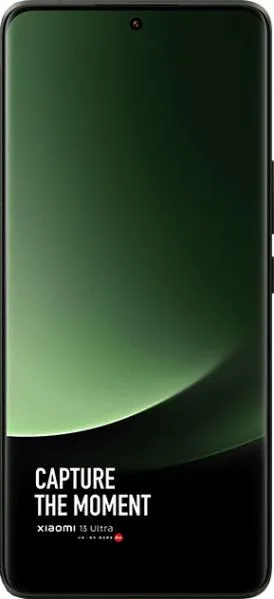
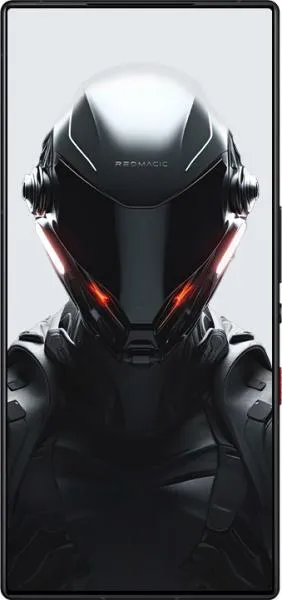
| Dimensions (mm) | 163.2 x 74.6 x 9.1 | 164 x 76.4 x 8.9 | Xiaomi is slightly smaller and thinner. Negligible difference in daily use. |
| Weight (g) | 227 | 229 | Virtually identical weight. |
| Build | Unspecified | Unspecified | Build quality and materials cannot be compared without further information. |
| Display | |||
| Display Size | 6.73" | 6.8" | Red Magic has a slightly larger display, providing marginally more screen real estate. |
| Resolution | 1440 x 3200 | 1116 x 2480 | Xiaomi offers significantly sharper visuals due to higher resolution (QHD+ vs FHD+). Noticeable difference in clarity for text and images. |
| Display Type | LTPO AMOLED | AMOLED | Both are AMOLED, offering vibrant colors and deep blacks. Xiaomi's LTPO panel allows for dynamic refresh rate adjustment (1-120Hz), leading to better battery efficiency. |
| Peak Brightness | 2600 nits | 1600 nits | Xiaomi's display is much brighter, ensuring better visibility in direct sunlight. |
| Refresh Rate | 120Hz | 120Hz | Both offer smooth scrolling and animations. |
| Performance | |||
| Chipset | Snapdragon 8 Gen 2 | Snapdragon 8 Gen 3 | Red Magic utilizes a newer generation chipset, potentially offering faster performance and improved power efficiency. However, real-world performance differences may be subtle for average users. |
| CPU | Octa-core (1x3.2 GHz Cortex-X3 & ...) | Octa-core (1x3.3 GHz Cortex-X4 & ...) | Both CPUs are high-performance, but the Gen 3 in the Red Magic should provide a performance boost, particularly in demanding tasks. |
| GPU | Adreno 740 | Adreno 750 | Red Magic's newer GPU should offer better gaming performance and graphics rendering. |
| RAM | 12GB (reviewed model) | 16GB (reviewed model) | Red Magic offers more RAM in the reviewed model, potentially improving multitasking and handling demanding applications. However, both configurations offer ample RAM for most users. |
| Camera | |||
| Main Camera | 50MP Sony IMX989 (1") | 50MP Samsung GN5 (1/1.57") | Xiaomi boasts a larger sensor size for potentially better low-light performance and depth of field. Leica collaboration suggests superior image processing on the Xiaomi. |
| Other Cameras | 50MP Wide, 50MP Telephoto (2x), 50MP Periscope Telephoto (5x) | 50MP Wide, 2MP Macro | Xiaomi offers a more versatile camera system with higher resolution telephoto lenses enabling superior zoom capabilities. The Red Magic's macro lens is of limited practical use. |
| Battery | |||
| Capacity | 5000 mAh | 6000 mAh | Red Magic offers significantly larger battery capacity, likely translating to longer usage time. |
2. Key Differences Analysis
Xiaomi 13 Ultra Advantages:
- Superior Display: Sharper, brighter, and more power-efficient due to LTPO technology.
- More Versatile Camera System: Leica-tuned lenses, larger main sensor, and powerful telephoto capabilities.
- Premium Design: Though build materials are unspecified, the overall design language suggests a more premium feel.
ZTE nubia Red Magic 9 Pro Advantages:
- Newer, Faster Processor: Snapdragon 8 Gen 3 offers a performance advantage.
- Larger Battery: Potentially much longer battery life.
- Lower Price: Significantly more affordable.
- More RAM: Better for heavy multitasking.
3. User Profiles & Recommendations
Xiaomi 13 Ultra: Ideal for users who prioritize camera quality, display excellence, and a premium experience. Best for photography enthusiasts, content creators, and those who demand the best visuals.
ZTE nubia Red Magic 9 Pro: Suitable for users seeking top-tier performance and long battery life at a more affordable price. Best for gamers, power users, and those who value speed and endurance over camera finesse.
4. Decision Framework
Key Questions for Buyers:
- What is your budget? The Xiaomi is significantly more expensive.
- What are your primary use cases? Photography and content consumption vs. gaming and heavy multitasking.
- How important is display quality? Xiaomi's display is objectively superior.
Scenario-Based Recommendations:
- Photography Enthusiast: Xiaomi 13 Ultra
- Hardcore Mobile Gamer: ZTE nubia Red Magic 9 Pro
- Average User Seeking Value: ZTE nubia Red Magic 9 Pro
My Choice: Xiaomi 13 Ultra
While the Red Magic 9 Pro offers impressive performance and battery life for a lower price, the Xiaomi 13 Ultra's superior camera system and stunning display are decisive factors for me. I prioritize image quality and visual experience, and the Xiaomi clearly excels in these areas. The Leica collaboration and larger sensor size suggest a significant advantage in photography, which is a key consideration for me. Although the price difference is substantial, the Xiaomi's overall package justifies the premium for my personal needs and preferences. The Red Magic's performance advantage, while noteworthy, would not significantly impact my daily usage compared to the noticeable benefits of the Xiaomi's screen and camera.
