1. Specifications Comparison
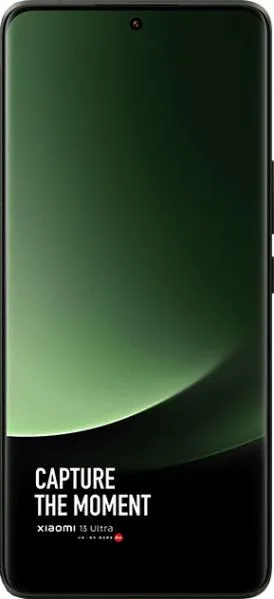
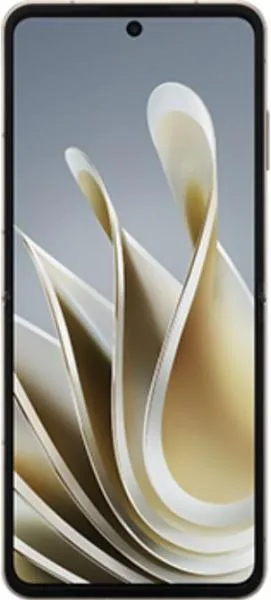
| Feature | Xiaomi 13 Ultra | ZTE nubia Flip | Practical Impact |
|---|---|---|---|
| Design | |||
| Dimensions (mm) | 163.2 x 74.6 x 9.1 | 170 x 75.5 x 7 | Nubia Flip is taller and slightly wider when unfolded, but significantly thinner due to its foldable design. Xiaomi 13 Ultra is a more traditional candybar form factor. |
| Weight (g) | 227 | 214 | Nubia Flip is lighter despite its larger display, making it potentially more pocketable. |
| Foldable | No | Yes | Nubia Flip offers a compact folded size for portability, expanding to a larger screen when needed. |
| Display | |||
| Size (inches) | 6.73 | 6.9 | Nubia Flip offers a larger screen real estate for media consumption and multitasking. |
| Resolution (px) | 1440 x 3200 | 1188 x 2790 | Xiaomi 13 Ultra boasts a sharper display with higher pixel density, resulting in crisper images and text. |
| Panel Type | LTPO AMOLED | Foldable OLED | Both offer excellent contrast and vibrant colors. LTPO on Xiaomi allows for dynamic refresh rate adjustment, potentially saving battery. We lack information on Nubia's specific OLED technology and if it supports HDR. |
| Refresh Rate (Hz) | 120 | 120 | Both offer smooth scrolling and animations. |
| Peak Brightness (nits) | 2600 | Not specified | Xiaomi 13 Ultra's significantly higher peak brightness ensures better visibility outdoors. The lack of data for the Nubia Flip prevents a complete comparison here. |
| Performance | |||
| Chipset | Snapdragon 8 Gen 2 | Snapdragon 7 Gen 1 | Xiaomi 13 Ultra significantly outperforms in processing power and graphics rendering, enabling smoother multitasking, demanding gaming, and faster app loading. |
| CPU | Octa-core (1x3.2 GHz Cortex-X3 & 2x2.8 GHz Cortex-A715 & 2x2.8 GHz Cortex-A710 & 3x2.0 GHz Cortex-A510) | Octa-core (1x2.4 GHz Cortex-A710 & 3x2.36 GHz Cortex-A710 & 4x1.8 GHz Cortex-A510) | Xiaomi 13 Ultra's superior CPU architecture and clock speeds offer a substantial performance advantage. |
| RAM (GB) | 12 | 8 | Xiaomi 13 Ultra's larger RAM allows for more apps to run in the background without reloading, improving multitasking performance. |
| Camera | |||
| Main Camera (MP) | 50 (1-inch sensor) | 50 | Xiaomi 13 Ultra's much larger sensor size allows for superior light capture, especially in low-light conditions, resulting in better dynamic range and detail. Information about the Nubia Flip's sensor size and other camera specifics is lacking, limiting a full analysis. |
| Telephoto | Yes (multiple) | No specific details provided | Xiaomi 13 Ultra offers versatile zoom capabilities, likely surpassing the Nubia Flip. The lack of details on the Nubia Flip's camera setup prevents a thorough comparison. |
| Battery | |||
| Capacity (mAh) | 5000 | 4310 | Xiaomi 13 Ultra offers a larger battery capacity, potentially translating to longer usage time. However, real-world battery life depends on various factors including display usage and processing demands. |
2. Key Differences Analysis
Xiaomi 13 Ultra Advantages:
- Superior Performance: Snapdragon 8 Gen 2 offers a significant performance advantage for demanding tasks and gaming.
- Flagship Camera System: The large 1-inch sensor and Leica collaboration deliver exceptional image quality, especially in low light. Versatile zoom capabilities further enhance photography.
- Sharper, Brighter Display: Higher resolution and peak brightness result in a more visually appealing experience.
- Larger Battery: Potentially longer battery life.
ZTE nubia Flip Advantages:
- Foldable Design: Offers unique portability and a larger screen when unfolded.
- Lower Price: Significantly more affordable.
3. User Profiles & Recommendations
Xiaomi 13 Ultra: Ideal for power users, photographers, videographers, and mobile gamers who prioritize top-tier performance, display quality, and camera capabilities.
ZTE nubia Flip: Suitable for users who value portability and a large screen but don't require the absolute best performance or camera capabilities. A good option for budget-conscious buyers seeking a foldable experience.
4. Decision Framework
Key Questions for Buyers:
- Budget: How much are you willing to spend?
- Performance Needs: Do you require top-tier performance for demanding tasks or gaming?
- Form Factor Preference: Do you prioritize portability of a foldable phone or a traditional candybar design with a larger battery?
My Choice: Xiaomi 13 Ultra
While the ZTE nubia Flip offers an intriguing foldable design at a more accessible price point, the Xiaomi 13 Ultra's superior performance, camera system, and display make it the clear winner for me. I prioritize a smooth user experience, excellent photography capabilities, and a vibrant display. The extra cost is justified by the significant jump in quality and features. The Snapdragon 8 Gen 2 ensures future-proofing, and the 1-inch camera sensor is a game-changer for mobile photography. While I appreciate the novelty of a foldable, the overall user experience offered by the Xiaomi 13 Ultra aligns better with my needs and preferences. The Nubia Flip's lack of specific details in key areas like camera sensor specifications and display brightness further reinforces my decision.
