1. Specifications Comparison
| Feature | Xiaomi 13 Ultra | ZTE Blade V60 Design | Practical Impact |
|---|---|---|---|
| Design | |||
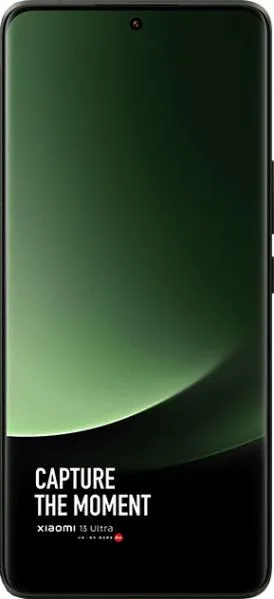
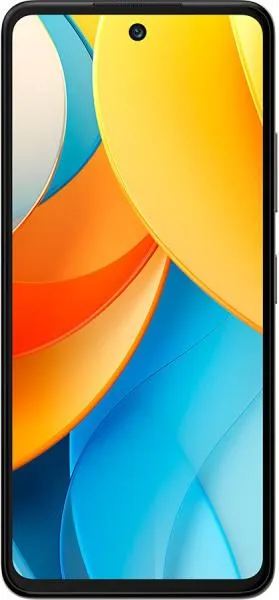
| Dimensions (mm) | 163.2 x 74.6 x 9.1 | 164.2 x 75.3 x 8.6 | Xiaomi is slightly smaller but thicker. Negligible difference in everyday use. |
| Weight (g) | 227 | 198 | ZTE is noticeably lighter, reducing hand fatigue during extended use. |
| Build | Unspecified | Unspecified | Build quality impacts durability and premium feel. Information needed for comparison. |
| Display | |||
| Display Type | 6.73" LTPO AMOLED | 6.6" IPS LCD | Xiaomi's AMOLED offers significantly better contrast, deeper blacks, and brighter colors. LTPO enables dynamic refresh rate adjustment for power saving. |
| Resolution | 1440 x 3200 (WQHD+) | 720 x 1612 (HD+) | Xiaomi's much higher resolution provides significantly sharper text and images. |
| Refresh Rate | 120Hz | 90Hz | Xiaomi offers smoother scrolling and animations. |
| Peak Brightness | 2600 nits | Unspecified | Xiaomi's exceptionally high peak brightness ensures excellent outdoor visibility. Missing ZTE data limits comparison. |
| Performance | |||
| Chipset | Snapdragon 8 Gen 2 | Unisoc T606 | Xiaomi's flagship processor vastly outperforms ZTE's budget offering, enabling demanding gaming, multitasking, and faster app loading. |
| CPU | Octa-core (1x3.2 GHz Cortex-X3 & 2x2.8 GHz Cortex-A715 & 2x2.8 GHz Cortex-A710 & 3x2.0 GHz Cortex-A510) | Octa-core (2x1.6 GHz Cortex-A75 & 6x1.6 GHz Cortex-A55) | Xiaomi's CPU offers significantly higher clock speeds and a more powerful architecture, translating to a much faster and responsive user experience. |
| GPU | Adreno 740 | Mali-G57 MP1 | Xiaomi's GPU is considerably more powerful, delivering superior gaming performance and smoother graphics rendering. |
| RAM | 12GB | 6GB | Xiaomi's larger RAM allows for more apps to run in the background without performance slowdown. |
| Camera | |||
| Main Camera | 50MP, Sony IMX989, 1" sensor | 50MP, ISOCELL | Xiaomi uses a much larger, higher-quality sensor, likely resulting in significantly better low-light performance and dynamic range. Missing sensor details for ZTE hinder comprehensive comparison. |
| Other Cameras | 50MP Ultrawide, 50MP Telephoto (3.2x), 50MP Periscope Telephoto (5x) | 2MP Depth, 0.3MP unspecified | Xiaomi offers a far more versatile camera system with high-resolution ultrawide and telephoto lenses. |
| Battery | |||
| Capacity | 5000 mAh | 5000 mAh | Similar battery capacities suggest comparable battery life, though actual usage will depend on other factors like display and processor efficiency. |
2. Key Differences Analysis
Xiaomi 13 Ultra Advantages:
- Significantly superior performance: The Snapdragon 8 Gen 2, coupled with ample RAM, delivers a flagship-level experience.
- Exceptional display: The high-resolution LTPO AMOLED screen provides vibrant colors, deep blacks, and smooth refresh rates.
- Versatile camera system: The quad-camera setup with Leica lenses offers excellent image quality and zoom capabilities.
ZTE Blade V60 Design Advantages:
- Lighter weight: More comfortable for extended use.
- Lower price: Significantly more affordable.
3. User Profiles & Recommendations
Xiaomi 13 Ultra: Ideal for power users, photographers, and videographers who demand top-tier performance, a stunning display, and a versatile camera system.
ZTE Blade V60 Design: Suitable for budget-conscious users who prioritize basic functionality and affordability over cutting-edge performance or premium features. Best for light web browsing, social media, and casual gaming.
4. Decision Framework
Key Questions for Buyers:
- What is your budget? The Xiaomi is a high-end flagship, while the ZTE is a budget device.
- What are your performance needs? Demanding tasks like gaming and video editing require the power of the Xiaomi.
- How important is camera quality? The Xiaomi offers a vastly superior camera system for photography enthusiasts.
My Choice: Xiaomi 13 Ultra
While the ZTE Blade V60 Design offers an attractive price point, the Xiaomi 13 Ultra is the clear winner for me. Its superior performance, stunning display, and versatile camera system justify the higher cost. I prioritize a smooth and responsive user experience, high-quality visuals, and the ability to capture stunning photos and videos. The Xiaomi delivers on all fronts. The ZTE's budget-friendly appeal is overshadowed by its significant performance limitations and basic feature set. The Xiaomi's investment translates to a significantly better long-term experience.
