1. Specifications Comparison
| Feature | Xiaomi 13 Ultra | ZTE Blade A75 4G | Practical Impact |
|---|---|---|---|
| Design | |||
| Dimensions (mm) | 163.2 x 74.6 x 9.1 | 164.1 x 75.8 x 8.6 | Xiaomi is slightly smaller and thinner. Negligible difference in daily use. |
| Weight (g) | 227 | 189 | ZTE is noticeably lighter, reducing hand fatigue during extended use. |
| Build Materials | Missing | Missing | Cannot compare build quality and durability. |
| Display | |||
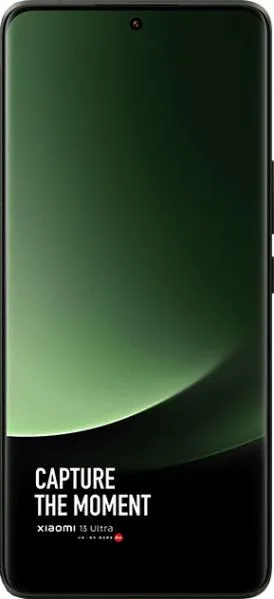
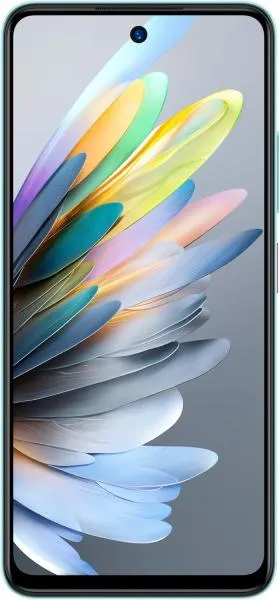
| Display Type | 6.73" LTPO AMOLED | 6.6" IPS LCD | Xiaomi offers superior contrast, deeper blacks, and potentially better outdoor visibility with AMOLED. LTPO allows for dynamic refresh rate, saving battery. |
| Resolution | 1440 x 3200 | 720 x 1612 | Xiaomi's display is significantly sharper and more detailed, enhancing media consumption and overall visual experience. |
| Refresh Rate | 120Hz | 90Hz | Xiaomi provides smoother scrolling and animations, but the difference might not be noticeable for all users. |
| Peak Brightness | 2600 nits | Missing | Xiaomi likely offers better visibility in direct sunlight; information missing for ZTE. |
| Performance | |||
| Chipset | Snapdragon 8 Gen 2 | Unisoc T606 | Xiaomi offers vastly superior performance in demanding tasks like gaming and multitasking due to a flagship processor. |
| CPU | Octa-core (1x3.2 GHz Cortex-X3 & 2x2.8 GHz Cortex-A715 & 2x2.8 GHz Cortex-A710 & 3x2.0 GHz Cortex-A510) | Octa-core (2x1.6 GHz Cortex-A75 & 6x1.6 GHz Cortex-A55) | Xiaomi's CPU significantly outperforms ZTE's, resulting in faster app loading, smoother operation, and better handling of complex applications. |
| GPU | Adreno 740 | Mali-G57 MP1 | Xiaomi provides a much more powerful GPU, enabling high-end gaming and graphics-intensive tasks. |
| RAM | 12GB/16GB | 4GB/8GB | Xiaomi offers more RAM, ensuring smoother multitasking and preventing app closures in the background. |
| Camera | |||
| Rear Camera | 50MP Quad Camera (Leica collaboration) | 50MP + 0.3MP Dual Camera | Xiaomi's camera system is expected to produce significantly better image quality, especially in low light, and offers versatile zoom capabilities with dedicated telephoto lenses. The 0.3MP sensor on the ZTE is practically useless. |
| Front Camera | 32MP | 8MP | Xiaomi's front camera likely captures higher-resolution selfies with better detail. |
| Video Recording | Up to 8K@24fps | Up to 1080p@30fps | Xiaomi offers vastly superior video recording capabilities with higher resolution and frame rates. |
| Battery | |||
| Capacity | 5000 mAh | 5000 mAh | Similar battery capacity, but real-world battery life depends on optimization and power consumption of other components. Expect Xiaomi to drain faster due to the more powerful hardware and higher resolution display. |
| Charging Speed | Missing | Missing | Cannot compare charging speeds. |
2. Key Differences Analysis
Xiaomi 13 Ultra Advantages:
- Flagship Performance: Significantly faster processor, GPU, and more RAM for a smooth and lag-free experience.
- Superior Display: Higher resolution, AMOLED technology, and 120Hz refresh rate for vibrant visuals and smooth interactions.
- Advanced Camera System: Leica collaboration, versatile lenses, and higher resolution for exceptional photo and video quality.
ZTE Blade A75 4G Advantages:
- Lightweight Design: Noticeably lighter, improving comfort for extended use.
- Lower Price: Significantly more affordable.
Trade-offs:
- The ZTE sacrifices performance, display quality, and camera capabilities for affordability.
- The Xiaomi comes at a premium price for its high-end features.
3. User Profiles & Recommendations
Xiaomi 13 Ultra: Ideal for power users, photographers, videographers, and mobile gamers who demand top-tier performance, a stunning display, and a cutting-edge camera.
ZTE Blade A75 4G: Suitable for budget-conscious users who prioritize basic communication, web browsing, and light media consumption. Appropriate for users who don't demand high performance or advanced features.
4. Decision Framework
Key Questions for Buyers:
- What is your budget? The Xiaomi is a high-end flagship, while the ZTE is a budget device.
- What are your primary smartphone usage patterns? Heavy gaming, photography, and multitasking benefit from the Xiaomi's power. Basic communication and web browsing are sufficiently handled by the ZTE.
- How important are display quality and camera performance? The Xiaomi excels in these areas.
Scenario-Based Recommendations:
- Limited Budget: ZTE Blade A75 4G
- Prioritize Performance and Camera: Xiaomi 13 Ultra
- Balanced Needs and Moderate Budget: Consider other mid-range options not listed in this comparison.
My Choice: Xiaomi 13 Ultra
While the ZTE Blade A75 4G offers an attractive price point, the Xiaomi 13 Ultra's superior performance, stunning display, and advanced camera system are decisive factors for me. I prioritize a smooth and lag-free user experience, high-quality visuals for media consumption, and the ability to capture excellent photos and videos. The significant price difference is justified by the substantial leap in overall quality and capabilities. The ZTE is a good budget option, but it doesn't meet my personal needs and preferences.
