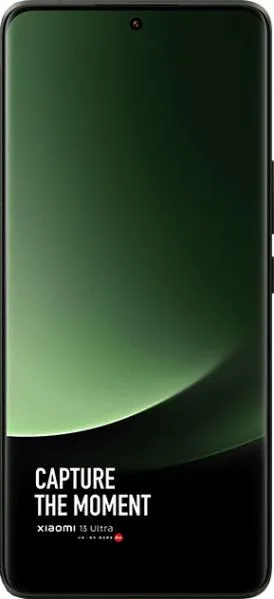
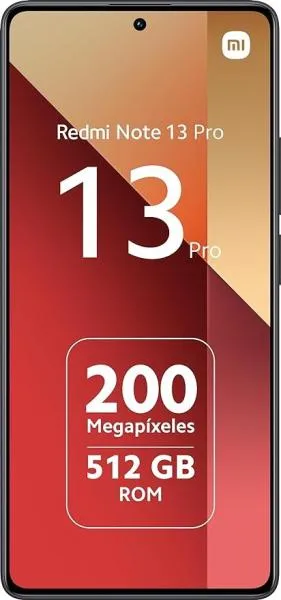
1. Specifications Comparison
| Feature | Category | Xiaomi 13 Ultra | Xiaomi Redmi Note 13 Pro 4G | Practical Impact |
|---|---|---|---|---|
| Dimensions (mm) | Design | 163.2 x 74.6 x 9.1 | 161.1 x 75 x 8 | The 13 Ultra is slightly larger and thicker but may feel more premium due to its build. The Note 13 Pro is thinner and lighter, enhancing portability. |
| Weight (g) | Design | 227 | 188 | The noticeable weight difference makes the Note 13 Pro significantly more comfortable for extended use and one-handed operation. |
| Display Type | Display | LTPO AMOLED | AMOLED | Both offer vibrant colors and deep blacks, but the 13 Ultra's LTPO panel allows for dynamic refresh rate adjustment (1-120Hz), saving battery while maintaining smoothness. |
| Display Size (inches) | Display | 6.73 | 6.67 | Negligible size difference; both offer large, immersive displays. |
| Resolution | Display | 1440 x 3200 | 1080 x 2400 | The 13 Ultra boasts significantly sharper visuals due to its higher resolution (QHD+ vs. FHD+). Text, images, and videos will appear noticeably clearer and more detailed. |
| Peak Brightness (nits) | Display | 2600 | 1300 | The 13 Ultra's much higher peak brightness ensures superior outdoor visibility, especially in direct sunlight. |
| Chipset | Performance | Snapdragon 8 Gen 2 | Helio G99 Ultra | The 8 Gen 2 vastly outperforms the Helio G99, offering significantly faster processing speeds, smoother multitasking, and superior gaming capabilities. |
| RAM (GB) | Performance | 12/16 | 8/12 | More RAM on the 13 Ultra enables smoother multitasking and handling of demanding applications. However, 8GB is generally sufficient for everyday use on the Note 13 Pro. |
| OS Updates | Performance | Up to Android 14 | Up to Android 16 | The Note 13 Pro benefits from longer software support, ensuring security updates and new features for a longer period. |
| Main Camera (MP) | Camera | 50 (Sony IMX989) | 200 (Samsung ISOCELL HP3) | While the Note 13 Pro has a higher megapixel count, the 13 Ultra uses a much larger 1-inch sensor (IMX989), enabling superior low-light performance, better dynamic range, and shallower depth of field. |
| Camera Features | Camera | Leica lens, Variable Aperture | - | The 13 Ultra's Leica collaboration brings unique color science and image tuning. The variable aperture allows for greater control over depth of field and light intake. |
| Video Recording | Camera | Up to 8K@24fps | Up to 1080p@60fps | The 13 Ultra offers significantly higher resolution video recording capabilities, along with more advanced features like HDR and EIS at higher resolutions. |
| Battery Capacity (mAh) | Battery | 5000 | 5000 | Similar battery capacities suggest comparable battery life, although real-world usage may vary depending on other factors like display resolution and processor efficiency. |
| USB Version | Connectivity | 3.2 | 2.0 | USB 3.2 on the 13 Ultra allows for significantly faster data transfer speeds compared to the Note 13 Pro's USB 2.0. |
| Price Range | Value | High | Medium | The 13 Ultra is significantly more expensive than the Note 13 Pro. |
2. Key Differences Analysis
Xiaomi 13 Ultra Advantages:
- Flagship Performance: The Snapdragon 8 Gen 2 and ample RAM deliver a significantly faster and smoother experience.
- Superior Display: Higher resolution, LTPO technology, and exceptional brightness create a visually stunning display.
- Advanced Camera System: The large 1-inch sensor, Leica collaboration, and variable aperture enable professional-grade photography and videography.
- Faster Data Transfer: USB 3.2 allows for quick file transfers.
Xiaomi Redmi Note 13 Pro 4G Advantages:
- Affordability: Offers excellent value for its price.
- Lighter and Thinner: More comfortable for one-handed use and extended periods.
- Longer Software Support: Will receive updates for a longer time.
- Higher Megapixel Count (Main Camera): While sensor size is more critical, the higher megapixel count may offer advantages in certain scenarios like detailed cropping.
Trade-offs:
- The 13 Ultra's premium features come at a significantly higher price.
- The Note 13 Pro sacrifices performance and camera quality for affordability.
3. User Profiles & Recommendations
Xiaomi 13 Ultra: Ideal for power users, photography enthusiasts, and those who demand the best possible mobile experience without budget constraints. Excels in demanding tasks, mobile gaming, content creation, and capturing high-quality photos and videos.
Xiaomi Redmi Note 13 Pro 4G: Suitable for budget-conscious users who prioritize everyday tasks, social media, web browsing, and casual gaming. Offers excellent value for its price.
4. Decision Framework
Key Questions:
- What is your budget? The price difference is substantial.
- What are your primary smartphone usage patterns? Consider gaming, photography, content consumption, and productivity needs.
- How important are factors like display quality, performance, camera capabilities, and software updates? Prioritize your needs.
My Choice: Xiaomi 13 Ultra
Reasoning: While significantly more expensive, the Xiaomi 13 Ultra offers a truly flagship experience with its cutting-edge processor, exceptional display, and advanced camera system. The performance difference between the Snapdragon 8 Gen 2 and the Helio G99 is vast, impacting daily usage and future-proofing the device. The superior camera system, especially its low-light capabilities and variable aperture, is a major draw for me. I prioritize performance and camera quality, and I'm willing to pay a premium for these features. The longer software support of the Note 13 Pro is tempting, but the overall user experience offered by the 13 Ultra outweighs this benefit for my needs.
