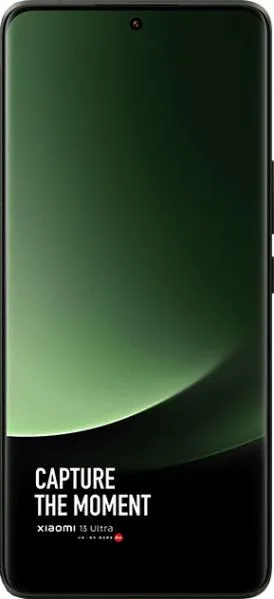
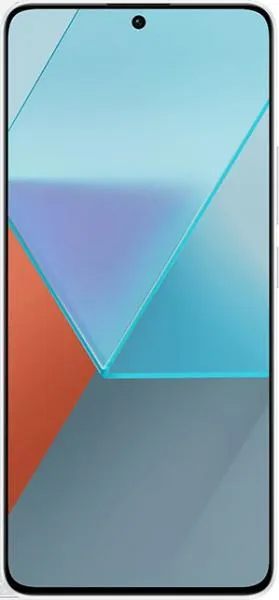
1. Specifications Comparison
| Feature | Category | Xiaomi 13 Ultra | Xiaomi Redmi Note 13 Pro | Practical Impact |
|---|---|---|---|---|
| Dimensions (mm) | Design | 163.2 x 74.6 x 9.1 | 161.2 x 74.2 x 8.0 | 13 Ultra slightly larger and thicker. Note 13 Pro feels lighter (227g vs 187g). |
| Weight (g) | Design | 227 | 187 | Significant weight difference; Note 13 Pro noticeably lighter for extended use. |
| Display Size (inches) | Display | 6.73 | 6.67 | Negligible size difference in real-world usage. |
| Display Resolution | Display | 1440 x 3200 (WQHD+) | 1220 x 2712 (FHD+) | 13 Ultra has a sharper, more detailed display. Noticeable when viewing high-resolution content. |
| Display Type | Display | LTPO AMOLED | AMOLED | Both offer vibrant colors and deep blacks. LTPO on 13 Ultra allows for dynamic refresh rate, saving battery. |
| Peak Brightness (nits) | Display | 2600 | 1800 | 13 Ultra significantly brighter outdoors, ensuring better visibility in sunlight. |
| Chipset | Performance | Snapdragon 8 Gen 2 | Snapdragon 7s Gen 2 | 13 Ultra offers flagship-level performance, enabling smoother multitasking, demanding gaming, and faster app loading. Note 13 Pro provides good mid-range performance but will struggle with top-tier tasks. |
| RAM (GB) | Performance | 12/16 | 8/12/16 | More RAM in some 13 Ultra variants allows for more apps to run in the background without reloading. |
| Storage (GB) | Performance | 256/512/1TB | 128/256/512 | More storage options available on the 13 Ultra, catering to users with large media libraries. |
| Main Camera (MP) | Camera | 50 (1-inch sensor) | 200 | 13 Ultra's larger sensor likely captures more light and detail, especially in low light, despite lower megapixel count. Note 13 Pro's high megapixel count allows for detailed zoomed images. |
| Camera Features | Camera | Leica lens, Variable Aperture | - | 13 Ultra features Leica collaboration for potentially superior image quality and unique color science. Variable aperture allows for greater control over depth of field. |
| Battery Capacity (mAh) | Battery | 5000 | 5100 | Note 13 Pro has a slightly larger battery capacity, but real-world battery life depends heavily on usage and optimization. 13 Ultra's LTPO display can improve battery efficiency. |
| USB Version | Connectivity | 3.2 | 2.0 | Faster data transfer speeds on the 13 Ultra when connected to a compatible device. |
| Price Range | Value | High | Medium | Significant price difference reflects the flagship vs. mid-range positioning. |
2. Key Differences Analysis
Xiaomi 13 Ultra Advantages:
- Superior Performance: Snapdragon 8 Gen 2 provides a significant performance advantage for demanding tasks.
- Higher Quality Display: Sharper, brighter, and more efficient due to LTPO technology.
- Advanced Camera System: Larger sensor, Leica collaboration, and variable aperture offer potentially superior image quality and versatility.
- Faster Data Transfer: USB 3.2 enables quicker file transfers.
Xiaomi Redmi Note 13 Pro Advantages:
- Lower Price: Significantly more affordable.
- Lighter Weight: More comfortable for extended use.
- Slightly Larger Battery: Potentially longer battery life, although real-world results may vary.
- Higher Resolution Main Camera Sensor: Offers potentially more detail in well-lit conditions and better digital zoom capabilities.
Trade-offs:
- Performance vs. Price: 13 Ultra offers top-tier performance at a premium price, while the Note 13 Pro balances performance and affordability.
- Camera Quality vs. Versatility: Note 13 Pro boasts a high megapixel count but lacks the advanced features and larger sensor size of the 13 Ultra.
3. User Profiles & Recommendations
Xiaomi 13 Ultra: Ideal for power users, photographers, and videographers who demand the best performance, display, and camera technology. Excellent for mobile gaming, content creation, and consuming high-resolution media.
Xiaomi Redmi Note 13 Pro: Suitable for budget-conscious users who prioritize value and everyday usability. Good for social media, web browsing, casual gaming, and general smartphone tasks.
4. Decision Framework
Key Questions for Buyers:
- What is your budget? The 13 Ultra is significantly more expensive.
- What are your primary smartphone uses? Demanding tasks benefit from the 13 Ultra's performance, while casual use cases are well served by the Note 13 Pro.
- How important are camera quality and features? The 13 Ultra prioritizes image quality and versatility, while the Note 13 Pro focuses on high resolution.
My Choice: Xiaomi 13 Ultra
While the Redmi Note 13 Pro offers excellent value, I would choose the Xiaomi 13 Ultra. The superior performance, significantly better display, and advanced camera system are crucial for my workflow. I prioritize a smooth user experience, high-quality media consumption, and excellent photography capabilities, making the 13 Ultra the better choice despite the higher price. The faster data transfer speeds offered by USB 3.2 are also a bonus for me. The weight difference is a consideration, but the performance and feature advantages of the 13 Ultra outweigh it for my personal needs.
